We have become accustomed to treating connectivity as a social good. To be reachable is to be included; to respond is to participate, but to disappear, even briefly, can feel like a failure of social responsibility. However, the contemporary network does more than connect people; it organises attention, behaviour and time, turning availability into an expectation rather than a choice. Compulsory Continuous Connectedness: rest in a networked world, opening at Focal Point Gallery in Southend-on-Sea, takes this condition as its starting point. Across work by Caroline Sinders, Romy Gad el Rab, Helen Cammock, Nina Davies, Rebecca Moccia, Salvatore Vitale and Qualeasha Wood, the exhibition asks what happens when technologies designed to keep us together also make it increasingly difficult to be alone with our thoughts.
Media scholar Ludmila Lupinacci coined the phrase “compulsory continuous connectedness” to describe a state in which social media encourages permanent anticipation – the expectation that something new may always be arriving. Lupinacci argues that social media platforms cultivate unsettledness, encouraging users to remain continuously connected. The idea extends beyond the smartphone: work, friendship, entertainment, news and political participation increasingly occupy the same interfaces, collapsing boundaries that once gave attention somewhere to rest. An empty moment can become an invitation to consume, respond or perform. Jonathan Crary similarly argues in 24/7: Late Capitalism and the Ends of Sleep that contemporary capitalism erodes the boundaries between work, consumption and rest. Sleep, in his account, remains significant precisely because it resists a culture organised around continuous activity.
Attention, then, is not simply a matter of personal discipline. Advice about notifications, screen limits and healthier digital habits may be useful, but it can place responsibility on individuals while leaving the architecture of the attention economy untouched. Jenny Odell’s How to Do Nothing: Resisting the Attention Economy offers a useful counterpoint, questioning the assumption that resistance means becoming more efficient at managing distraction. Odell considers what might become possible when attention is redirected towards experiences that resist commodification. The question is not how to look away from the screen, but what happens when looking itself is no longer governed by the demand to produce value.
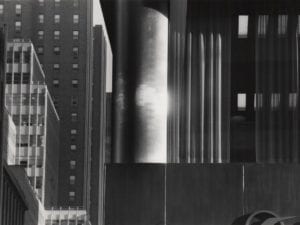
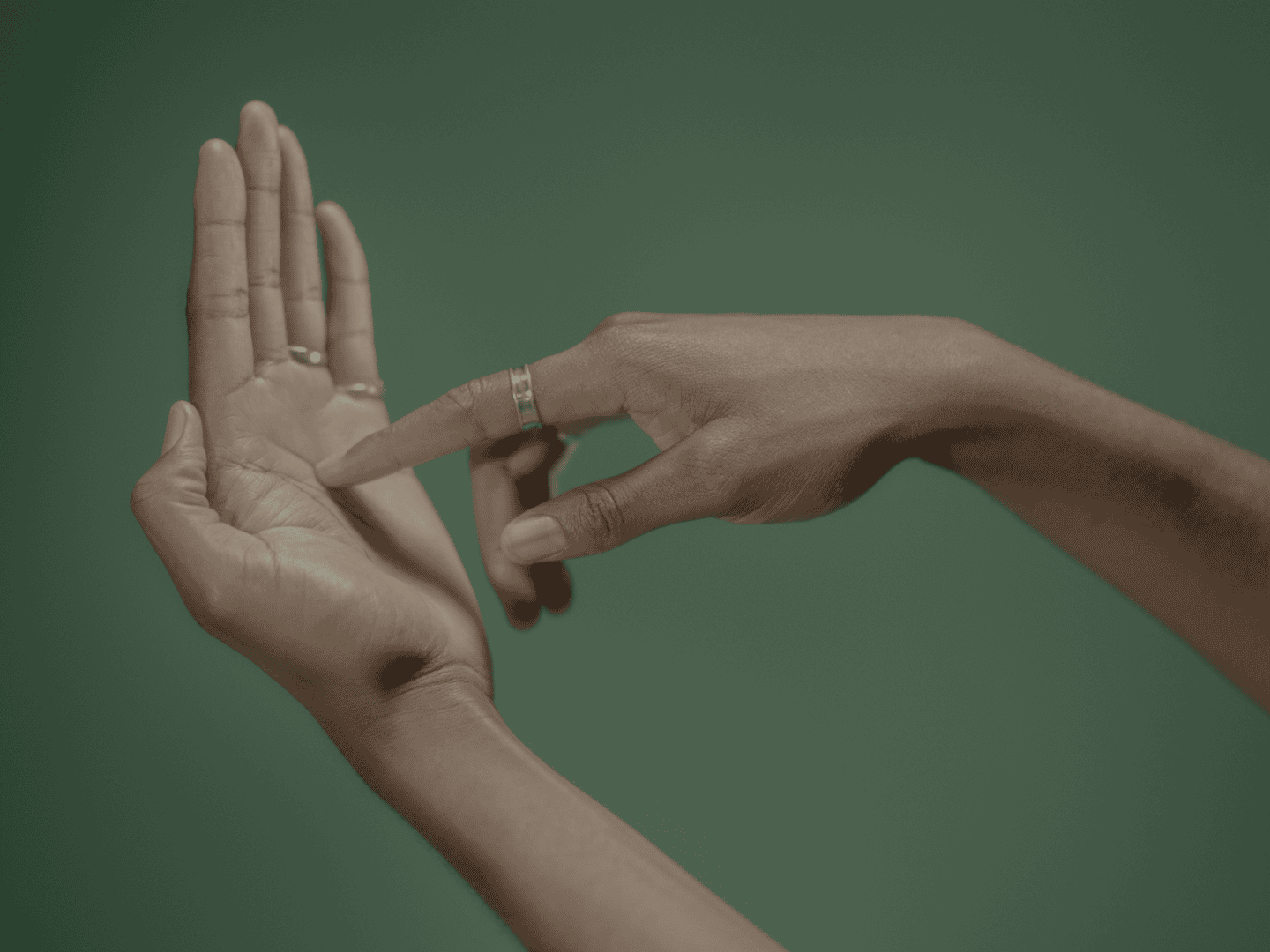
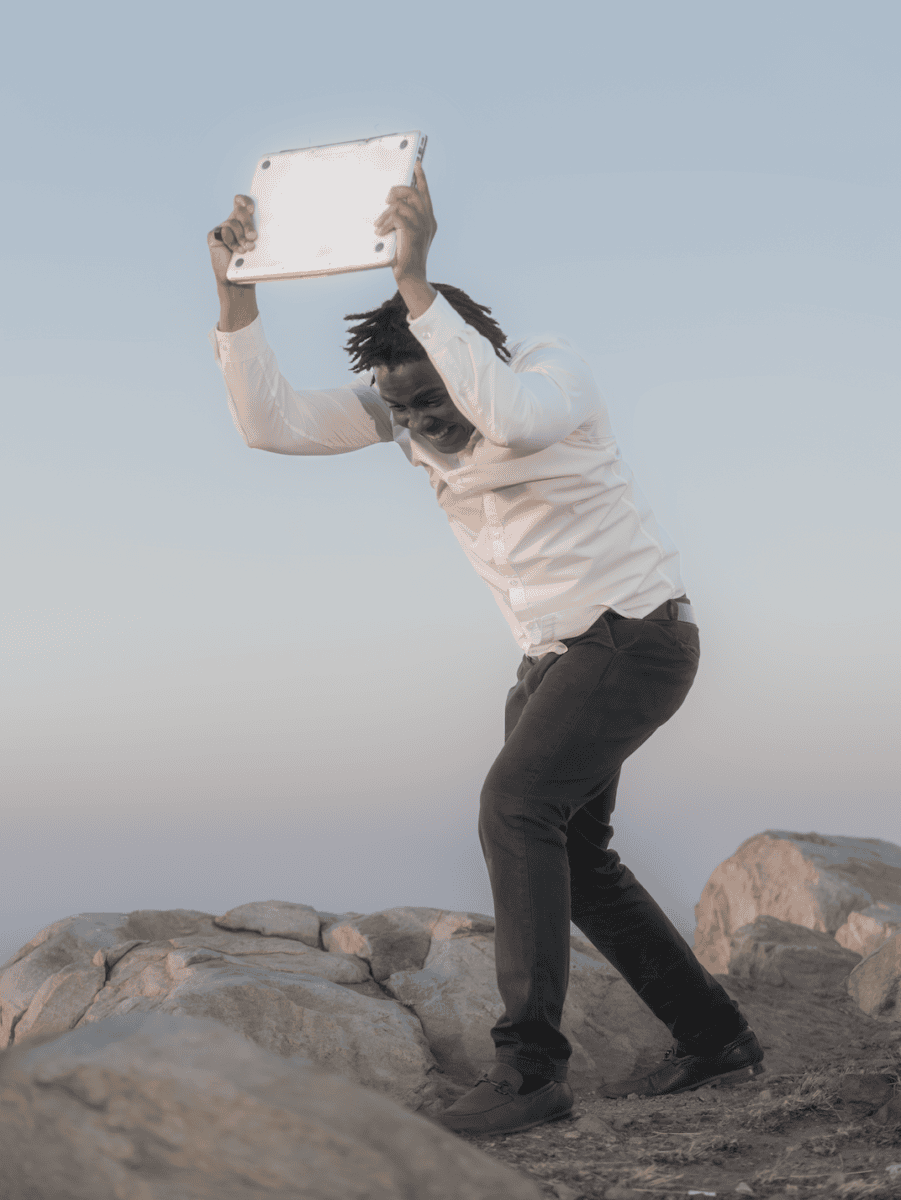
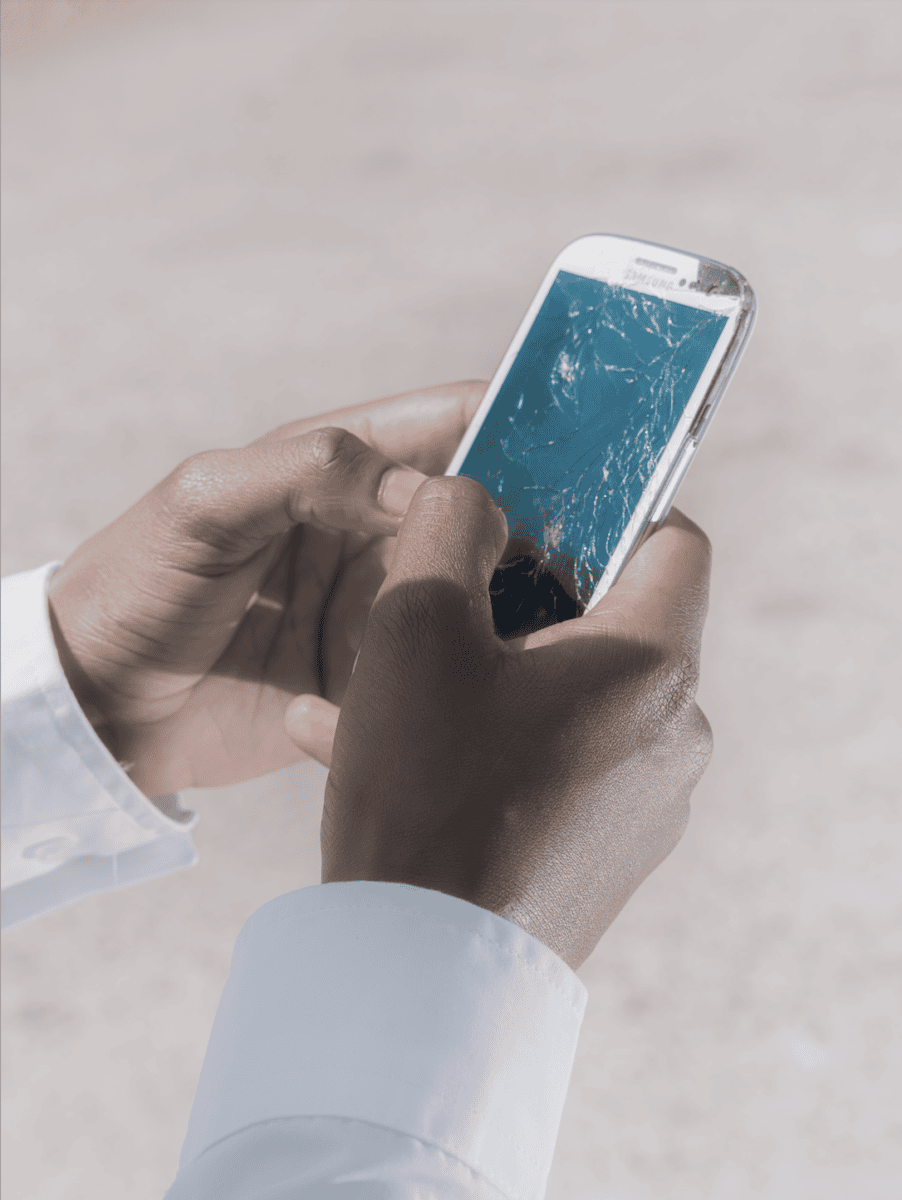
That hidden structure of digital life comes into view in Salvatore Vitale’s Death by GPS (2022–2026), which examines the human labour concealed behind supposedly automated systems. A navigation application appears instantaneous, yet its simplicity depends upon infrastructures, workers and decisions that remain outside the user’s field of vision. Vitale exposes the distance between the frictionless interface and the material conditions that make it possible, shifting the discussion from what technology does to how technology is produced. Connectivity begins to look less like an invisible convenience and more like a system of labour whose operations have been deliberately rendered difficult to see.
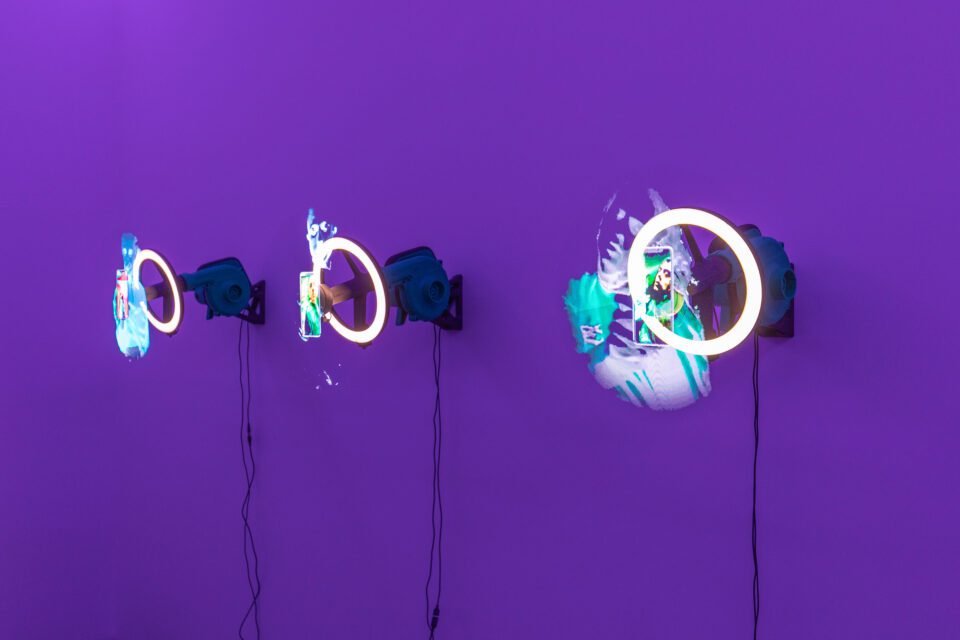
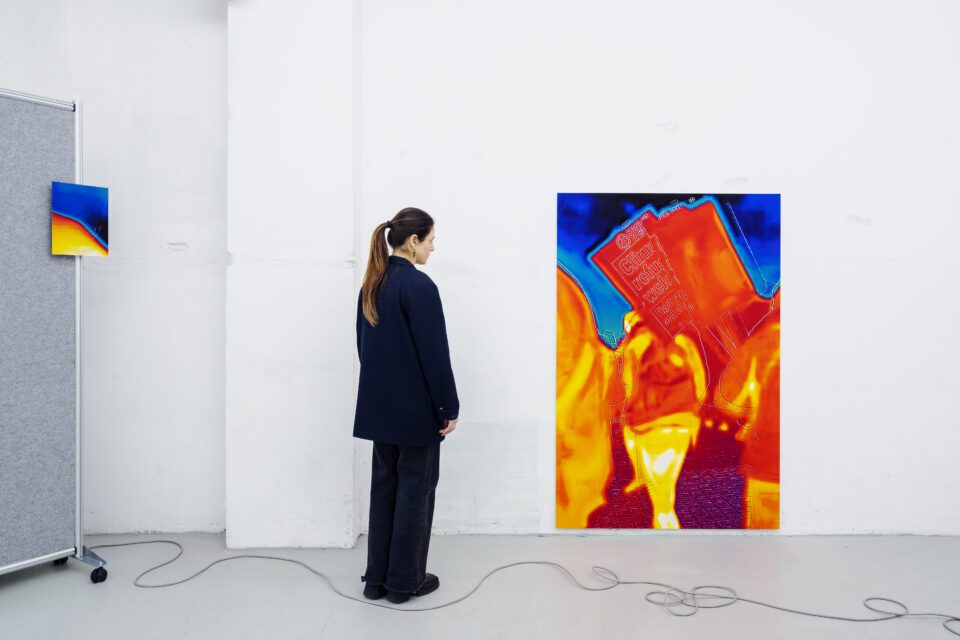
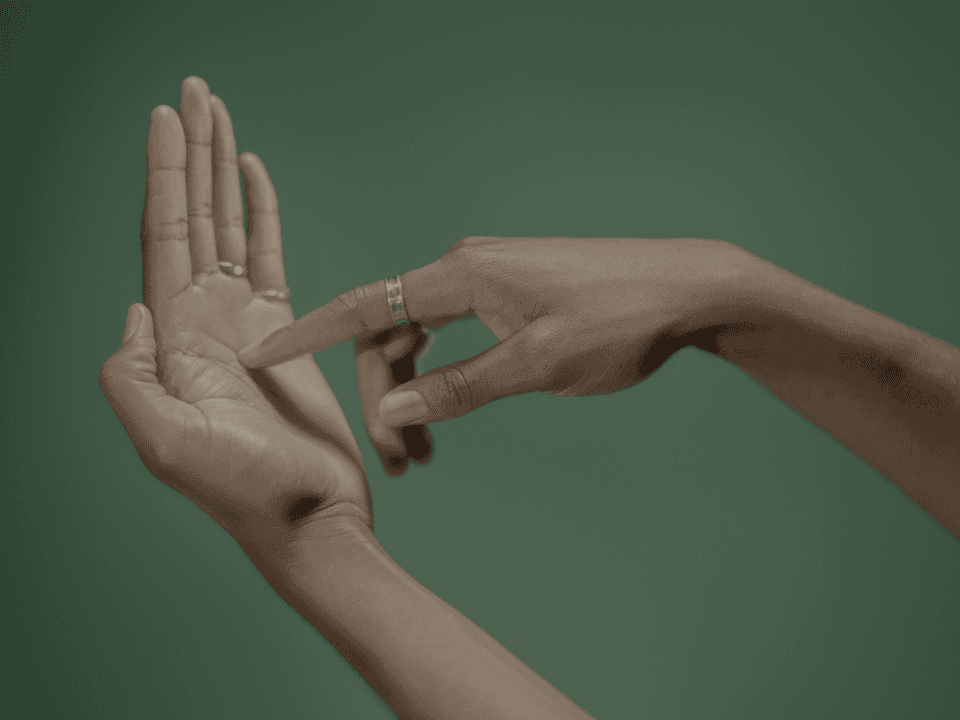
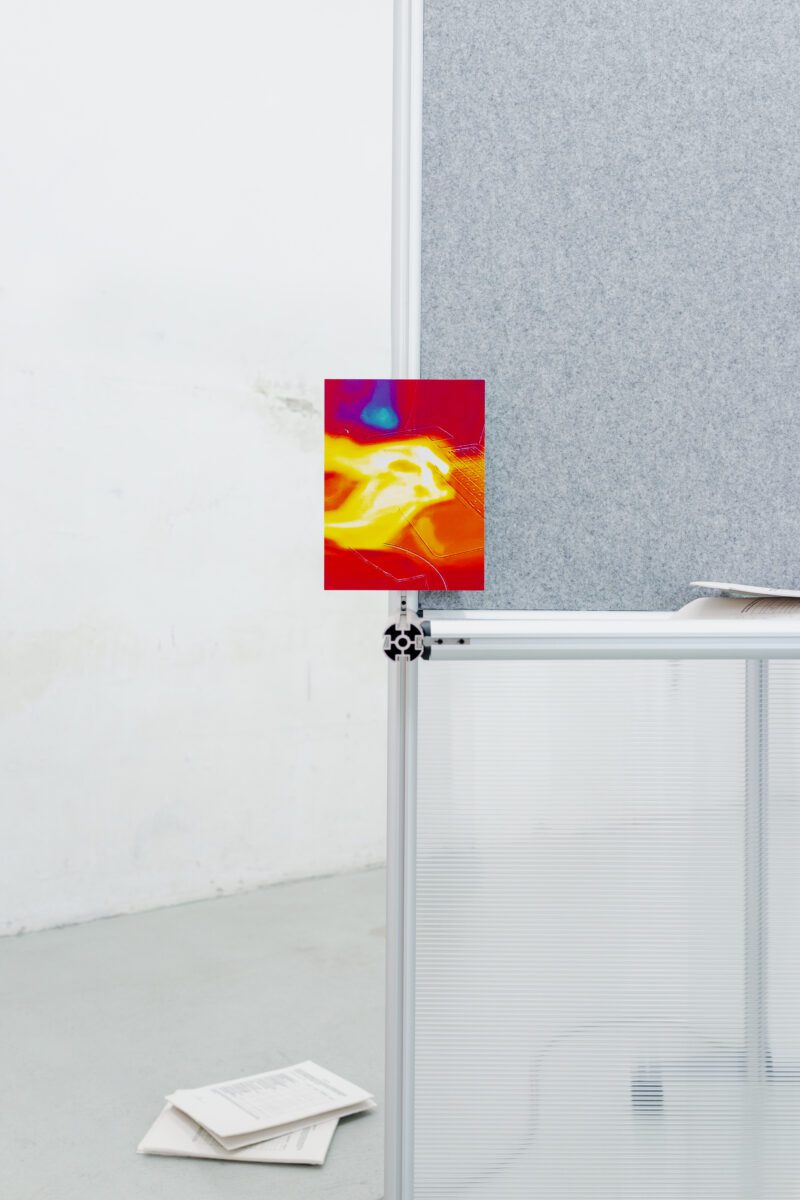
Emotional life is similarly shaped by these structures. Rebecca Moccia’s Ministry of Loneliness (2022–2024) considers the psychological conditions produced by a culture in which contact is plentiful but intimacy is less certain. Digital communication can collapse geographical distance while leaving other forms of closeness attenuated, meaning loneliness cannot simply be understood as a lack of communication. Nina Davies approaches this instability through the body and its image, examining how platform culture encourages people to encounter themselves from the perspective of an unseen audience. Self-presentation becomes a form of labour. Both practices reveal a contradiction at the centre of networked life: connection can be everywhere without necessarily producing belonging.
Qualeasha Wood brings this tension into material form through tapestries that draw on the visual language of online culture. Glitches, digital excess and unstable forms of identity enter a medium associated with duration, repetition and physical labour. Screens encourage rapid circulation and endless revision, while weaving demands time and sustained attention. Wood does not simply position craft as an antidote to technology; instead, the materiality of the work reveals how embodied supposedly immaterial digital experiences can be. The pressures surrounding visibility, comparison and selfhood may originate online, but they are experienced through bodies in physical space.

These concerns belong to a longer history of artists questioning technologies of representation and control, but the contemporary situation is unusually intimate. The network travels in the pocket, enters domestic space and accompanies waking, working, travelling and sleeping. Technology is no longer an external object that can be examined from a distance; it has become part of the environment through which experience is organised. The artistic question consequently shifts from what machines show us to what kinds of behaviour they make habitual. Compulsory Continuous Connectedness is strongest when it treats this behavioural dimension as a cultural problem rather than simply a technological one.
The curatorial response developed by Caroline Sinders and Romy Gad el Rab takes that question into the organisation of experience itself. Focal Point Gallery describes their new commission as drawing on research with artists, scientists, academics, activists and local youth and mental health organisations in Southend, using the Default Mode Network as one point of departure. Neuroscientist Vinod Menon’s research describes the Default Mode Network as being involved in internally directed processes including self-reference, autobiographical memory, social cognition and mind-wandering. Menon also stresses that the DMN is not reducible to a single function and that its processes interact dynamically with other brain networks. The science is more complex than the popular idea of a single “daydreaming network”. Rather than proving that rest is inherently creative, the research opens a wider question about what mental activity becomes possible when attention is not constantly directed towards an external demand.
Psychologists Jonathan Smallwood and Jonathan Schooler have explored both the costs and potential benefits of mind-wandering, including its relationship to future-oriented thinking and creativity. Their research identifies mind-wandering as a complex phenomenon rather than simply a failure of concentration, while discussing possible benefits including prospection and creative thought. Yet present-day culture tends to regard an unfocused mind as a problem to be corrected, particularly when concentration can be measured and productivity quantified. Sinders and Gad el Rab’s project therefore raises a provocative question: why has daydreaming become something that needs defending? Perhaps the more revealing issue is why productivity has become the standard against which rest must justify itself.
Gallery Two turns this proposition into a physical encounter. The installation uses low lighting, carpeting, communal seating and audio pods to slow the visitor’s usual pace, while bespoke sound pieces encourage attention without an obvious productive endpoint. A kinetic sculpture made with Essex-based artist Mike McShane and ceramicist Hayley Summers periodically drops keys onto a ceramic plate, interrupting the quiet and returning visitors to an awareness of other bodies in the room. Focal Point Gallery presents these details as an invitation to consider new forms of attention and rest. The gesture recalls techniques used to approach the hypnagogic state between wakefulness and sleep, suggesting that interruption can be generative. Rest here is not perfect silence or withdrawal, but a different rhythm of attention.
The installation also contains an important contradiction. The contemporary gallery is hardly outside the attention economy: exhibitions are photographed, posted, reviewed and circulated through the same platforms under scrutiny. Visitors can encounter an installation as an experience or as material for another stream of content. Sinders and Gad el Rab cannot offer an uncomplicated escape from networked culture, and the project does not need to. Its value lies in creating a temporary disturbance within that system, making familiar habits visible by arranging time according to another logic.
Helen Cammock’s They Call It Idlewild (2020) extends the argument beyond digital technology and towards the politics of productivity itself. Cammock’s work explores the politics of “doing nothing”, considering idleness as a form of meditation and questioning the physical and emotional costs of neoliberal hyper-productivity. Focal Point Gallery also describes the accompanying screenprints as referring to rituals of aimlessness such as wandering and looking without purpose. “Doing nothing” sounds innocuous, yet idleness has long carried a moral charge within societies organised around work and economic value. Cammock considers wandering, looking and inactivity as forms of thought. Her work reveals that the pressure to remain occupied predates the smartphone – technology has simply made that pressure more intimate and continuous. Rest therefore becomes not merely a response to digital exhaustion, but a challenge to the assumption that time must always produce something.
That challenge also exposes inequalities in the language of digital wellbeing. Not everyone has the same capacity to disconnect, and the demand for availability falls differently across work, care and social life. A precarious worker may not be able to ignore an employer’s message; a young person may depend upon digital networks for friendship and support; someone with caring responsibilities may have little control over when attention is required. Telling people to switch off risks turning a structural problem into another personal responsibility. The exhibition’s engagement with Southend-based youth and mental health organisations is significant because it explicitly places questions of attention within local social conditions.
Current debates around social media and young people’s wellbeing make this question especially urgent. The exhibition opens within a UK policy context in which proposals concerning restrictions on social media access for under-16s, alongside the Children’s Wellbeing and Schools Bill, have intensified discussion about social media harms and youth mental health. But regulation alone cannot resolve a culture in which attention is continuously monetised. Young people did not create the platforms competing for their attention, nor establish the economic structures that reward prolonged engagement. The deeper question is why constant availability has become so desirable. Any response must consider not only what people are allowed to access, but what kinds of attention and sociality the wider culture makes possible.
This is where Compulsory Continuous Connectedness moves beyond the familiar rhetoric of the digital detox. A detox imagines an outside: remove the device, withdraw from the platform and return to normality. But there is no uncomplicated outside when digital systems mediate employment, friendship, information and political life. Rest instead becomes significant when it refuses to function as recovery for renewed productivity – when time can exist without being converted into economic value. The exhibition ultimately asks whether attention can once again become something we give, rather than something taken from us.
Art cannot dismantle the infrastructures that organise networked life, but it can interrupt the assumptions that hold them in place. Compulsory Continuous Connectedness does this by refusing the demand that every moment must be useful, productive or immediately consumed. Here, looking does not have to lead anywhere; silence does not have to be filled; an encounter does not have to become content. Daydreaming, idling, wandering and unstructured thought are not wasted time, but forms of attention in their own right. The exhibition’s most powerful proposition is therefore also its simplest: rest does not need to justify itself by making us more productive. In a culture built around permanent availability, choosing to pause, drift or simply do nothing can become an act of resistance. It creates a small space in which attention is no longer something demanded from us, but something we are free to give.
Compulsory Continuous Connectedness: rest in a networked world is at Focal Point Gallery, Southend-on-Sea from 30 September – 9 January 2027: fpg.org.uk
Words: Shirley Stevenson
Image Credits:
1&7. Salvatore Vitale, untitled, 2023, from the series Death by GPS, 2022 – 2026 © Salvatore Vitale
2. Salvatore Vitale, untitled, 2023, from the series Death by GPS, 2022 – 2026 © Salvatore Vitale
3. Nina Davies: Becoming the Edit, installation view at Seventeen Gallery. Image courtesy of artist and Seventeen Gallery
4. Salvatore Vitale, untitled, 2023, from the series Death by GPS, 2022 – 2026 © Salvatore Vitale
5. Rebecca Moccia, Ministry of Loneliness, (2022–24), installation view at ICA Milano. Courtesy of the Artist and Mazzoleni. Photo: Diego Mayon.
6. Salvatore Vitale, untitled, 2023, from the series Death by GPS, 2022 – 2026 © Salvatore Vitale
8. Rebecca Moccia, Ministry of Loneliness (2022–24), installation view at ICA Milano. Courtesy of the Artist and Mazzoleni. Photo: Diego Mayon.