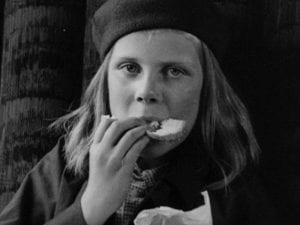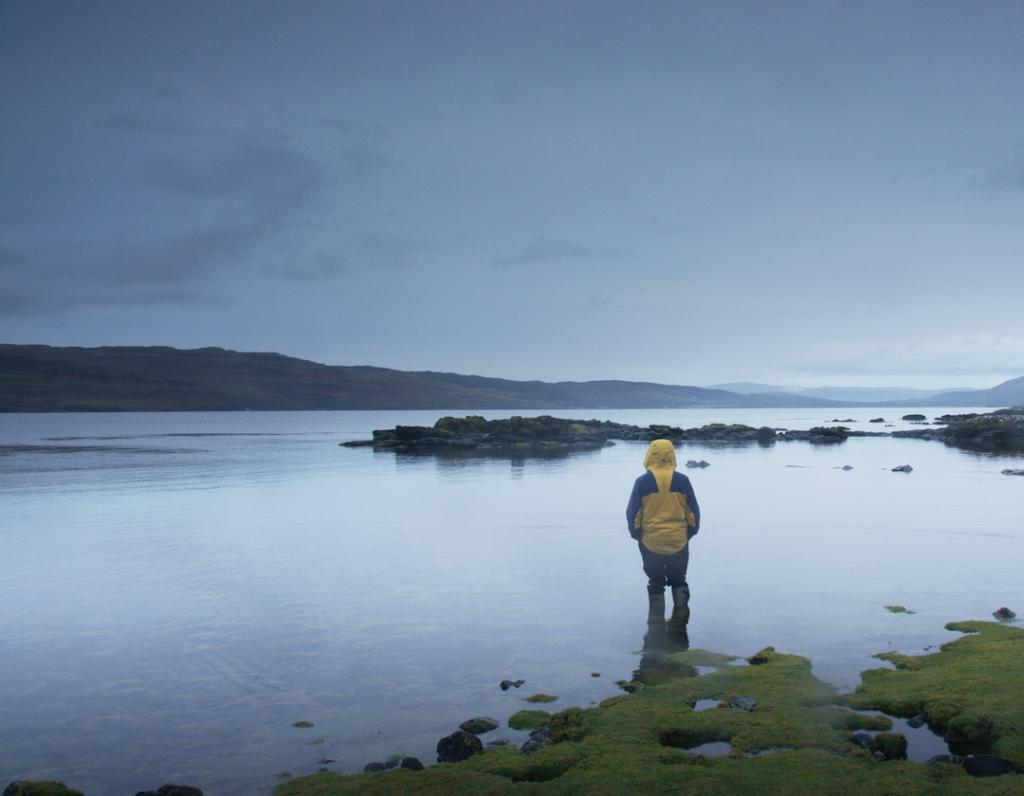
Who gets to define an identity? Who decides which histories are remembered, and which are allowed to fade? These questions sit at the heart of two exhibitions at Liverpool’s Walker Art Gallery, where Gender Stories and Sir John Akomfrah’s Listening All Night to the Rain bring gender, migration, memory and belonging into proximity. With both shows approaching their closing date of 31 August, their explorations of how identities and histories are constructed feel particularly urgent. One examines the ways selfhood is represented and negotiated; the other explores the fragments through which collective histories survive. Together, they make a case for art as a space in which apparently settled ideas can be reopened.
Neither exhibition offers a single narrative, and that refusal is central to their significance. Gender Stories moves across periods, cultures and media to consider how gender intersects with sexuality, class and heritage. Akomfrah’s multi-channel installation approaches history through archival images, newly filmed material, political speeches, music and the sounds of the natural world. Both exhibitions ask audiences to recognise identity and history as unstable, contingent and shaped by forces larger than the individual. Their proximity at the Walker creates an unexpected dialogue between the personal politics of the body and wider histories of movement, empire and belonging.
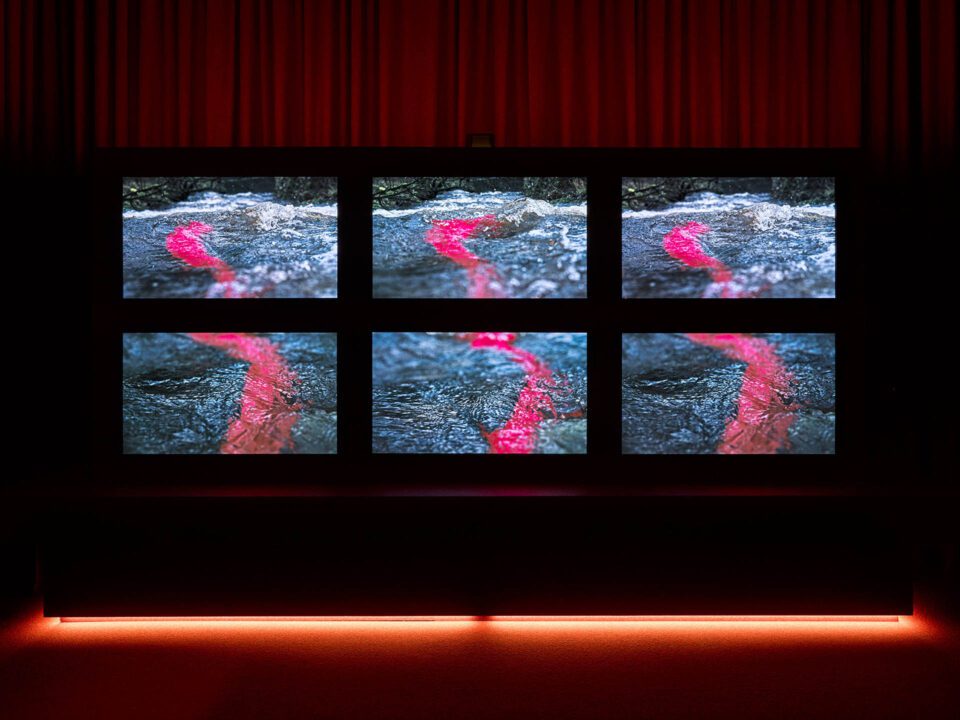
Museum culture has increasingly turned towards questions of authorship, visibility and institutional power. Collections that once appeared to present coherent accounts of culture are now being examined for the assumptions that shaped their formation, from acquisition and classification to display and interpretation. Contemporary curating makes these structures more visible, asking who has been represented, who has been excluded and why. Gender Stories participates directly in this reassessment, while Akomfrah’s work complicates the historical narratives that museums have inherited. Art becomes not simply something to be displayed, but a means of examining how knowledge is constructed.
At the centre of Gender Stories is a deceptively simple proposition: ideas about gender change according to time and place. Identity consequently emerges less as a fixed category than as something performed, represented and negotiated. Fine art sits alongside decorative objects, personal stories and contemporary practice, creating a field in which apparently separate histories begin to connect. Works by David Hockney, Catherine Opie, Grayson Perry, Rene Matić, Zanele Muholi and Del LaGrace Volcano offer distinct perspectives on bodies, sexuality, selfhood and social expectation. Such variety prevents the exhibition from becoming a linear history of gender, turning it instead into a conversation between competing ideas.
Photography becomes particularly revealing within this framework because its apparent claim to truth has always been bound up with questions of authorship and power. Catherine Opie’s portraits examine the relationship between individual identity, community and representation, challenging assumptions about queer bodies and social belonging. Zanele Muholi’s practice similarly transforms portraiture into an act of visibility and self-definition, insisting upon the presence of Black LGBTQIA+ lives within a medium historically shaped by unequal structures of representation. Their work demonstrates that the camera is never simply a neutral recording device, because every image involves choices about framing, visibility and authority. Portraiture therefore becomes a way of asking who is permitted to construct an image of themselves and who has historically been constructed by others.
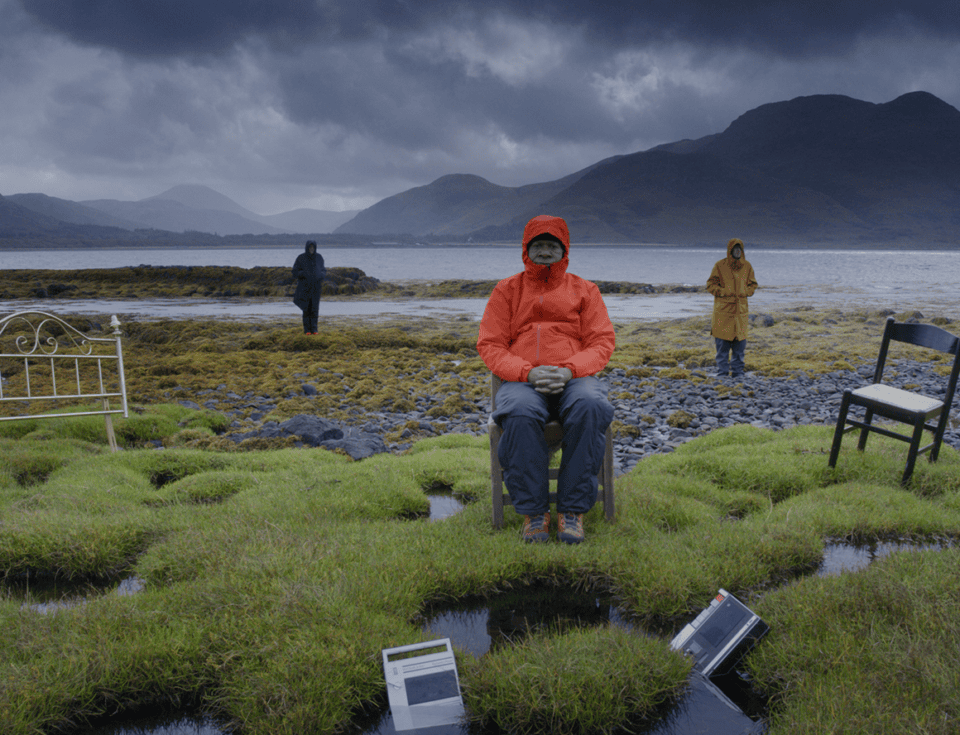
Material culture extends that enquiry beyond the photographic image. Grayson Perry has repeatedly used costume, persona and alter ego to expose the conventions through which gender becomes legible, while Del LaGrace Volcano challenges normative ideas about bodies and sexuality through a distinct visual language. Clothing, sculpture and performance reveal that identity can be encountered through the objects and gestures that organise everyday life. A museum display can consequently become surprisingly intimate, where apparently ordinary things expose the social expectations embedded within them. Gender Stories gains complexity from this movement between the intimate and the structural.
Charli Kleeman’s Gun rack (2025) takes the exhibition’s examination of gender into more confrontational territory. The sculpture considers trans-hypermasculinity, craft and the cultural presentation of violence, transforming familiar associations between masculinity and weaponry into subjects for scrutiny. Rather than presenting masculinity as an inherent quality, Kleeman explores how it can be assembled, performed and displayed. Placing such contemporary practice alongside more established names also prevents the exhibition from suggesting that questions of gender belong solely to the present. A longer history emerges, in which artists continually test the boundaries between identity, appearance and power.
Construction is therefore central to the exhibition’s critical force. Gender appears as an ongoing negotiation between the self and the surrounding culture. Clothing, portraiture, sculpture and personal testimony become evidence of this process, while the historical breadth of the exhibition prevents the discussion from being confined to contemporary political debates. Curatorial decisions encourage visitors to reconsider not only individual works, but also the assumptions that have shaped their interpretation. Looking becomes an active process of examining the structures through which looking has been taught.
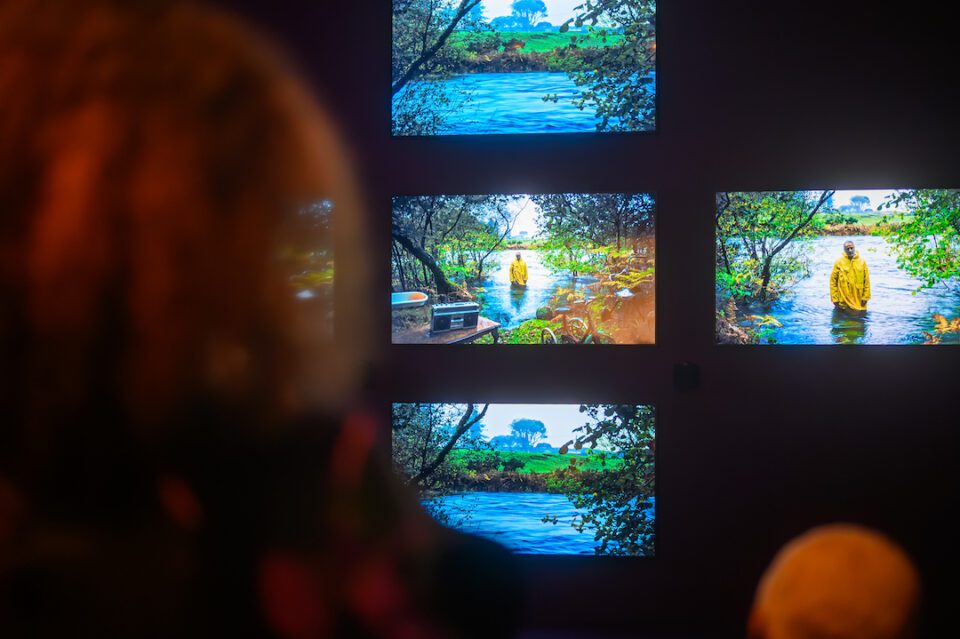
Memory introduces another dimension to this question of construction. Akomfrah’s Listening All Night to the Rain shifts the enquiry from the formation of identity to the formation of collective historical consciousness, rejecting the neat chronology associated with conventional historical display. Archival footage collides with newly filmed material, while political speeches, music and environmental sounds create connections across continents and generations. History becomes something experienced through fragments rather than presented as a complete sequence. Viewers are asked to assemble meaning themselves, recognising that collective memory is always partial, contested and subject to revision.
Sound gives that fragmented history its rhythm. A political speech can sit alongside popular music before a human voice gives way to rain or another sound from the natural world, producing associations that resist a single interpretation. Akomfrah’s layering of audio creates a form of listening in which meaning accumulates through repetition, interruption and juxtaposition. For audiences accustomed to rapid visual consumption, the demand for sustained attention feels significant. Listening becomes an ethical proposition – a willingness to remain with voices and experiences that cannot immediately be resolved.
Water provides one of the installation’s most persistent visual and conceptual motifs. Its associations with migration and displacement are inseparable from its environmental significance, linking histories of movement with today’s climate crisis. The ocean also carries the history of colonial trade, connecting natural landscapes to systems of extraction, commerce and racial violence. These subjects are not treated as separate narratives. Akomfrah instead reveals how ecological and political histories continually overlap. Water becomes both medium and metaphor, carrying memory across borders and generations.

Liverpool gives these ideas an unusually charged context. The city’s history is inseparable from maritime trade, migration and the global circulation of people and commodities, making questions of movement and empire particularly resonant within the Walker. Akomfrah’s engagement with Britain’s colonial and post-colonial histories consequently acquires another layer when encountered here. Liverpool is not simply a backdrop for the installation, but part of the historical landscape through which it can be understood. Visitors are encouraged to consider how the city’s own identity has been shaped by the same movements, exchanges and contradictions that Akomfrah traces through his work.
An equally important strand of the installation lies in its network of intellectual and creative influences. The seven people whose ideas informed the work include artists, writers, activists and thinkers whose contributions have shaped Akomfrah’s understanding of memory, politics and cultural identity. Their presence reinforces the idea that artistic practice develops through transmission rather than isolation, with ideas passing between generations, disciplines and communities. Cultural history becomes a network of encounters rather than a sequence of individual achievements. The installation consequently operates both as an artwork and as a meditation on the voices and histories that make artistic thinking possible.
This is where the two exhibitions begin to speak most forcefully to one another. Although Gender Stories and Listening All Night to the Rain address different subjects, both reject the notion that identity develops in isolation. Gender is shaped by inherited social structures, while memory is shaped by inherited histories, and both remain subject to forces beyond individual control. The body becomes one kind of archive in Gender Stories, while Akomfrah’s screens and sounds construct another from fragments of collective experience. Each exhibition asks what happens when those archives are reopened and read differently.
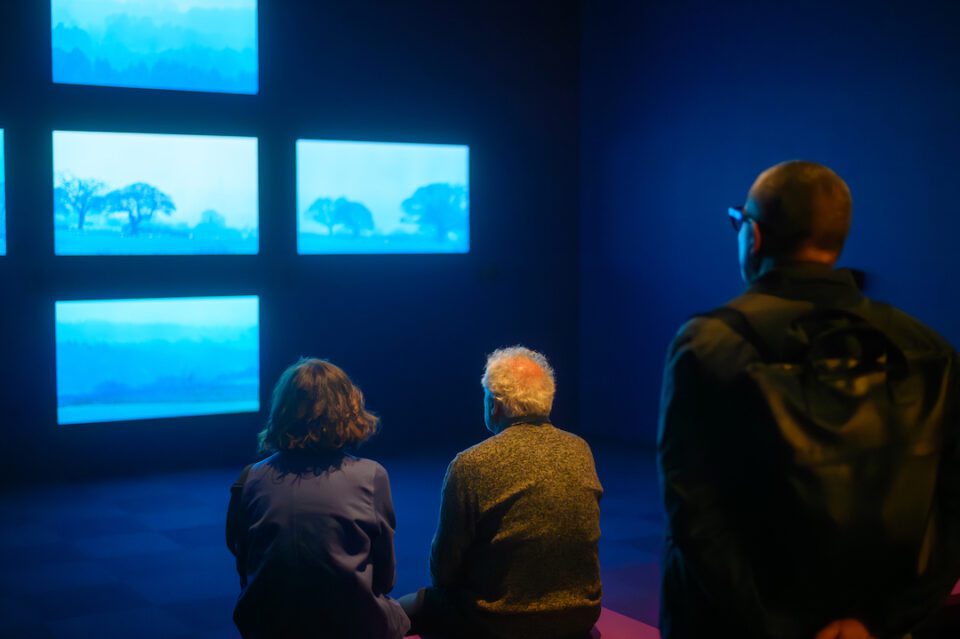
Institutional authority matters because museums can make cultural narratives appear more permanent than they really are. The arrangement of objects establishes relationships between them, while decisions about acquisition, preservation and display determine which histories remain visible. Exhibitions such as these expose that process rather than concealing it, demonstrating that curation is itself a form of interpretation. The Walker becomes a place where inherited systems of knowledge can be examined and challenged. Viewing therefore becomes inseparable from the politics of interpretation.
Liverpool’s wider cultural identity reinforces this sense of complexity. Music, migration, visual art and popular culture have continually intersected within the city, producing a landscape that resists easy definition. The Walker’s historic collections add another layer, allowing contemporary questions to sit alongside centuries of European art and material culture. Moving through the gallery becomes an encounter between different understandings of history. The temporary exhibitions gain additional force because they are positioned within an institution which is asking audiences to reconsider its collections.
What connects these shows is their insistence that the stories surrounding us are never as stable as they appear. Gender Stories asks how identities become visible through bodies, images, objects and performance, while Akomfrah considers how histories survive through fragments, voices and landscapes. Neither offers closure, and both resist the comfort of a definitive account. Instead, they locate meaning in the gaps between personal and collective, between what institutions preserve and leave unresolved. Art’s power here lies not in providing answers, but in making the familiar strange enough to be questioned again.
John Akomfrah: Listening All Night to the Rain and Gender Stories run until 31 August.
Walker Art Gallery, Liverpool.
Words: Simon Cartwright
Image Credits:
1. John Akomfrah, Listening All Night To The Rain, 2024 (film still) © Smoking Dogs Films, c/o British Council & Lisson Gallery.
2. John Akomfrah Canto IV, Listening All Night To The Rain, British Pavilion 2024. © Smoking Dogs Films, All Rights Reserved, DACS 2025. Photo: Jack Hems.
3. John Akomfrah, Listening All Night To The Rain (Canto VI), 2024, 8 channel HD video installation with surround sound, © Smoking Dogs Films, © British Council, Courtesy Smoking Dogs Films and Lisson Gallery.
4. Sir John Akomfrah, Listening All Night To The Rain, 2024. Exhibition with visitors at Walker Art Gallery, Liverpool. © Pete Carr c/o National Museums Liverpool.
5. Still from ‘The Mind is a Group Muscle’, Ree Bradley, 2025.
6. Sir John Akomfrah, Listening All Night To The Rain, 2024. Exhibition with visitors at Walker Art Gallery, Liverpool. © Pete Carr c/o National Museums Liverpool.