

The Thai phrase wai run is a term that extends beyond a simple description of age, evoking youth as a spirit, an attitude, a way of inhabiting the world. It suggests a condition of continual movement; identities, images and histories remain open rather than settled. There’s no real translation in English, referring to the years between “teen” and “young adult,” but also referring to seeing the world in a youthful and modern style. This is the concept at the centre of a new solo exhibition by Chardchakaj Waikawee at Grace Mews, London. The show brings together a body of analogue, handprinted photographs taken between 2008 and 2020, presenting portraits of people living on the margins of Bangkok’s streets. These figures are often rendered invisible due to circumstances, or economic position. Here, youth is understood less as a neatly categorised demographic than as a capacity for adaptation, reinvention and resilience within a city shaped by rapid urbanisation, global consumer culture and enduring spiritual traditions.
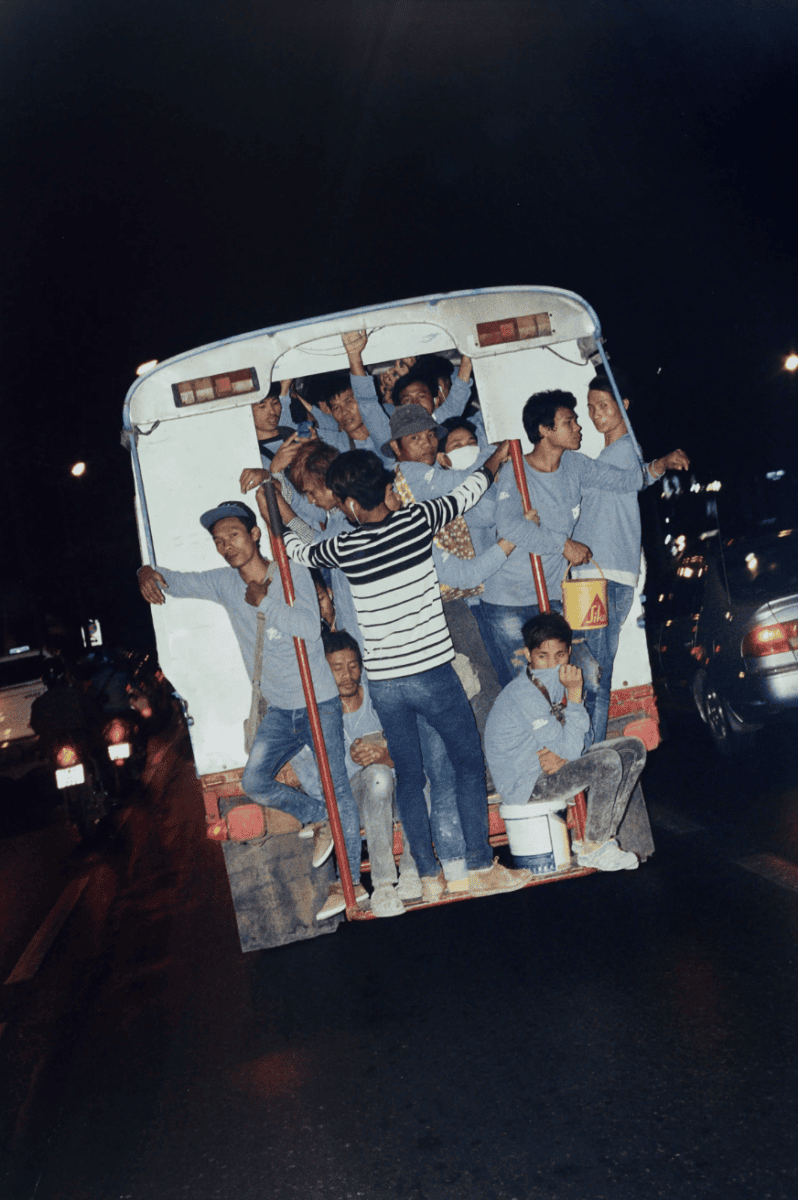
The exhibition opens with a film portrait of Waikawee, introducing the artist’s life, practice and philosophy of photography. This film continues as an auditory backdrop throughout the show and the film positions the photographs firmly within the artist’s own reflection on memory, time and value. The artist works with expired film, improvised cameras and hand-printing techniques, embracing uncertainty as a creative condition. Cross-processing introduces unpredictable shifts in colour, while negatives retain their scratches, dust and chemical traces. These are not imperfections to be corrected, but records of time – evidence of the photograph’s own passage through the world. The resulting works are saturated with lime, magenta and orange tones, responding to rather than eliminating the volatility of analogue processes. The images feel alive, animated by a process that privileges spontaneity, accident and transformation.
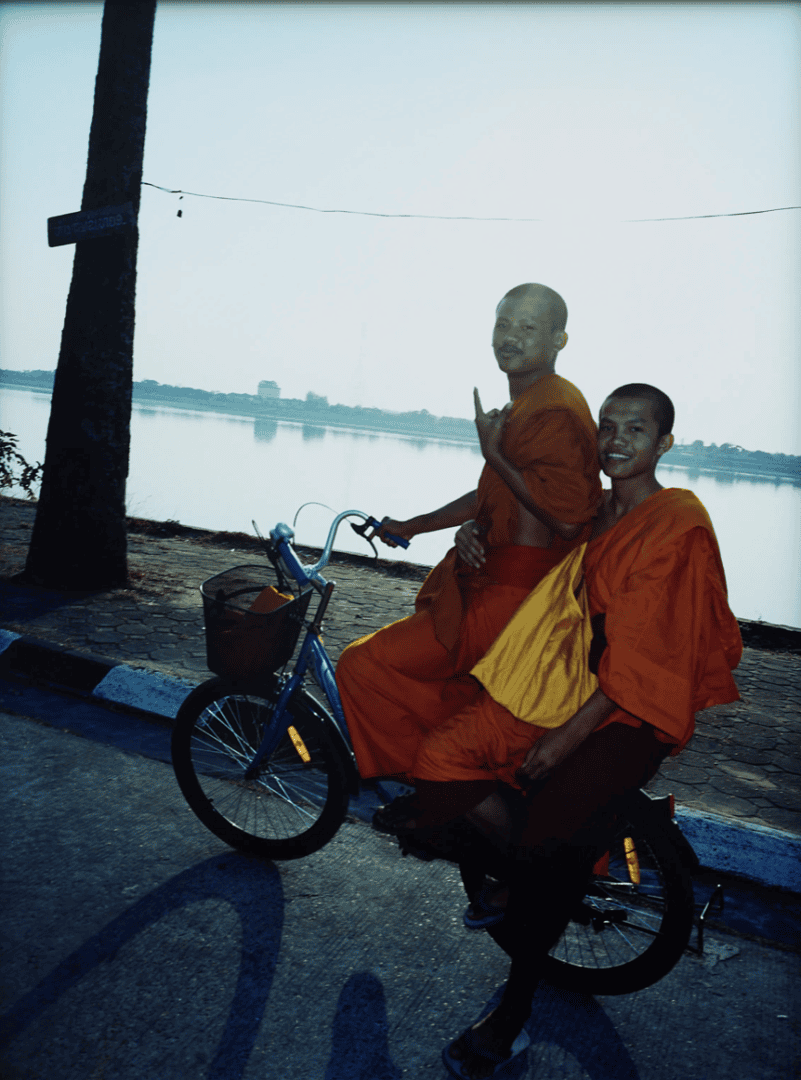
Each portrait in the exhibition emerges from an encounter: some are the result of fleeting interactions on the street, others of relationships nurtured over many years. Rather than reportage, the work privileges intimacy, trust and reciprocity. It is important to highlight that the artist does not position hardship as spectacle, instead focusing his lens on the ways that identity is made through everyday acts of perseverance. One particularly arresting image is of a child in a helmet and racing outfit. Their helmet has a fluffy Mohican, displayed in full to the audience as the figure turns in profile. In another, two young Buddhist monks cycle alongside a river, smiling and posing for the camera. Their playful expressions are in sharp contrast to the religious solemnity and regimented worship often associated with their lifestyle.
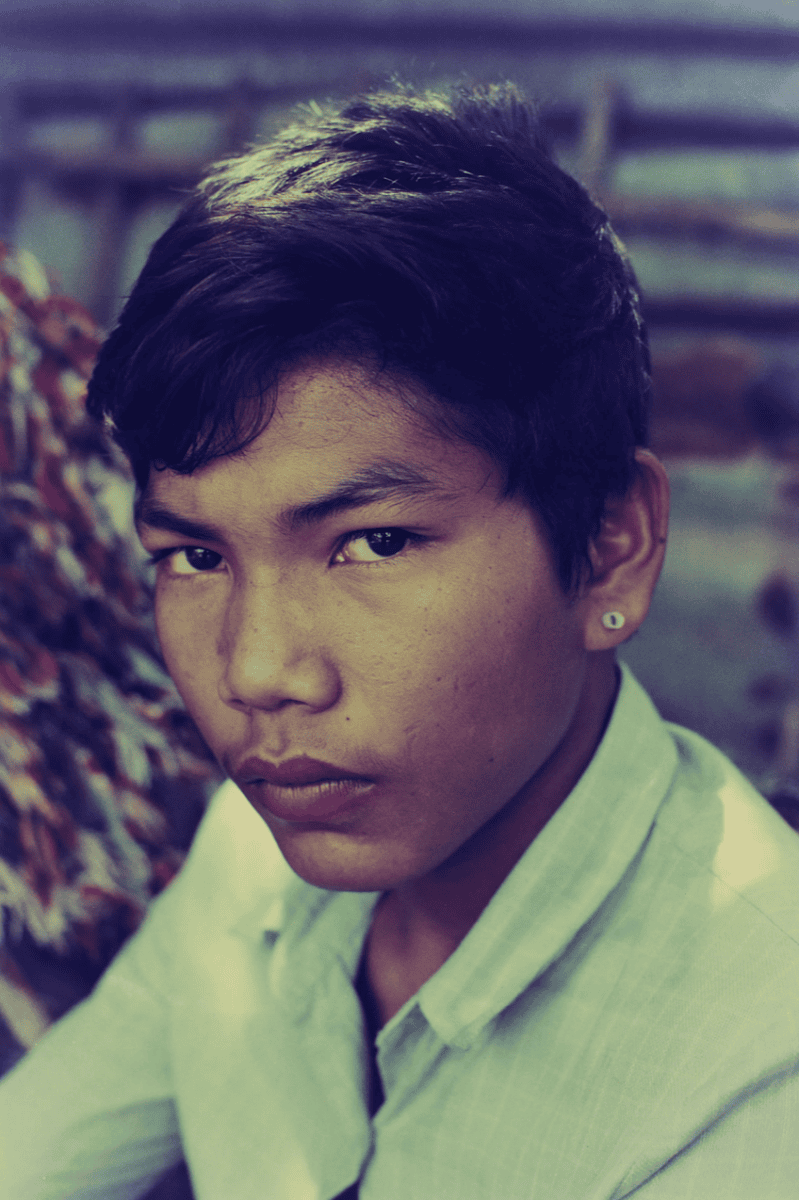
Waikawee foregrounds the effortless style of his subjects: shades, hats, watches, jewellery, mohawks and low-slung dresses. These details trace the circulation of a global visual culture yet are continually reworked through the realities of life in Bangkok. Such acts of self-fashioning become declarations of presence, allowing individuals to construct their own image of themselves and assert a sense of shared agency with the world. Party culture, too, is approached in this spirit. Waikawee brings into focus the communities, friendships and alternative families that emerge around these social spaces, paying attention to the forms of care and belonging they produce. Each of the artist’s portraits emerge from an encounter. Some are the result of fleeting interactions on the street, others of relationships nurtured over many years.
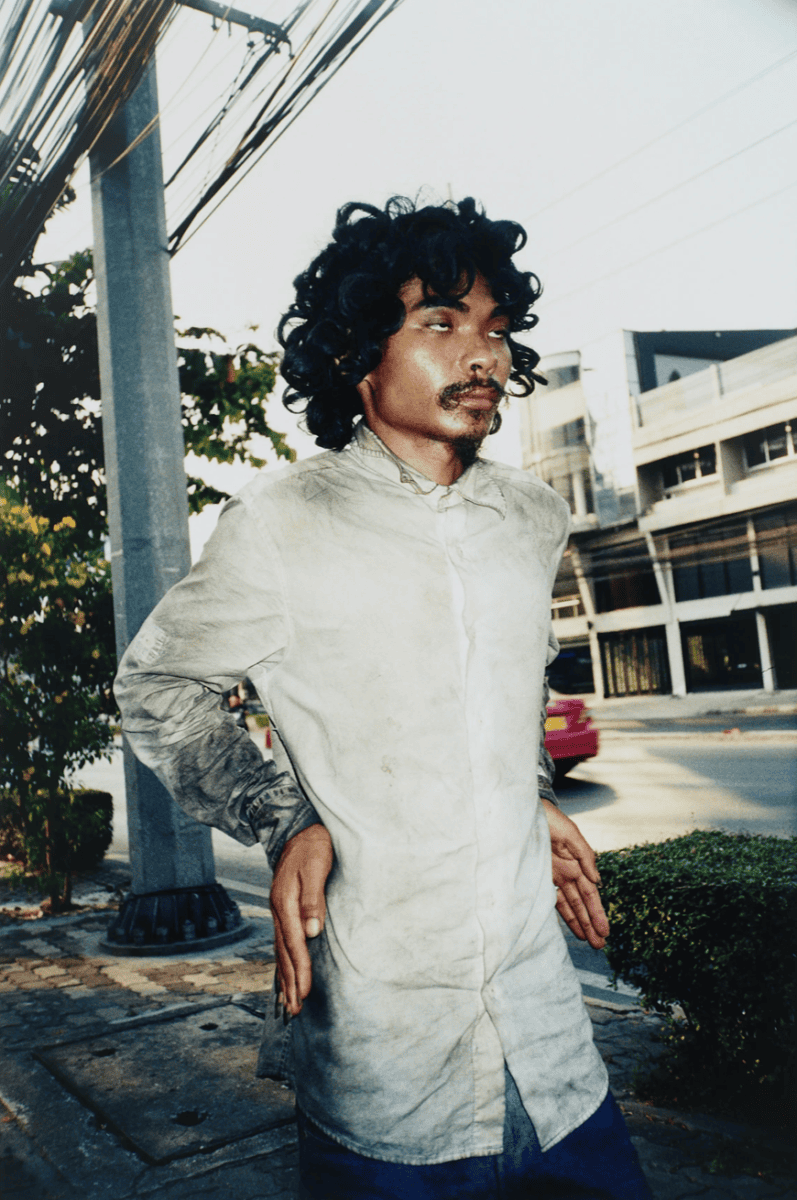
Youth, ultimately, is an alternative archive of Bangkok. Rather than preserving the stories that official histories choose to remember, Waikawee’s photographs hold space for lives that rarely enter public memory. Together, they present a portrait of the city shaped by those who move through its streets, build communities and continue to imagine lives for themselves beyond the systems that seek to define them.
Youth is at Grace Mews, London until 19 September: gracesmews.com
Words: Emma Jacob
Image Credits:
1&5. Untitled (Man in White Shirt), 2008-2020, Hand printed C-Type, 130 x 86.4 cm.
2. Untitled (Workers Going Home), 2008-2020 Hand printed C-Type, 150 x 99.7 cm.
3. Untitled (Monk on Bicycle), 2008-2020 Hand printed C-Type, 115.2 x 86.4 cm.
4. Untitled (Boy in Green Shirt), 2008-2020, Hand printed C-Type, 103.5 x 69 cm.


