“Ambient art is the overthrow of the traditional concept of painting-frame and sculpture – that belongs to the past. It gives way to the creation of ‘ambiences’: from there arises what I call ‘anti-art.’” These are the words of Hélio Oiticica (1937-1980), a figure widely regarded as one of Brazil’s leading artists. He sought to challenge the way art could be experienced by creating immersive installations, in which the viewer could become an active participant. His Magic Square series, developed between 1977 and 1979, is a monumental example of these investigations. This practice paved the way for other groundbreaking practitioners, including Lygia Clark, Lygia Pape and the poet Ferreira Gullar. The artist, who passed away at the age of 42, never saw many of his concepts come to fruition, nor the creatives he inspired. Despite such a short working life, Oiticica was a major figure in 20th century art, with his Tropicália series coming to define the “Tropicalismo” movement of art, music and Brazilian identity in the 1960s.
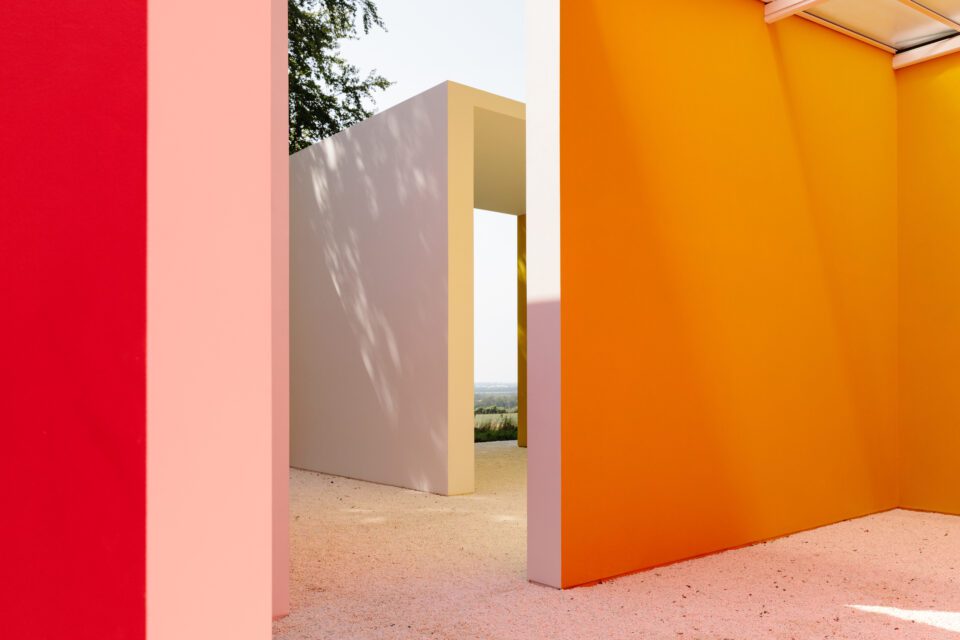
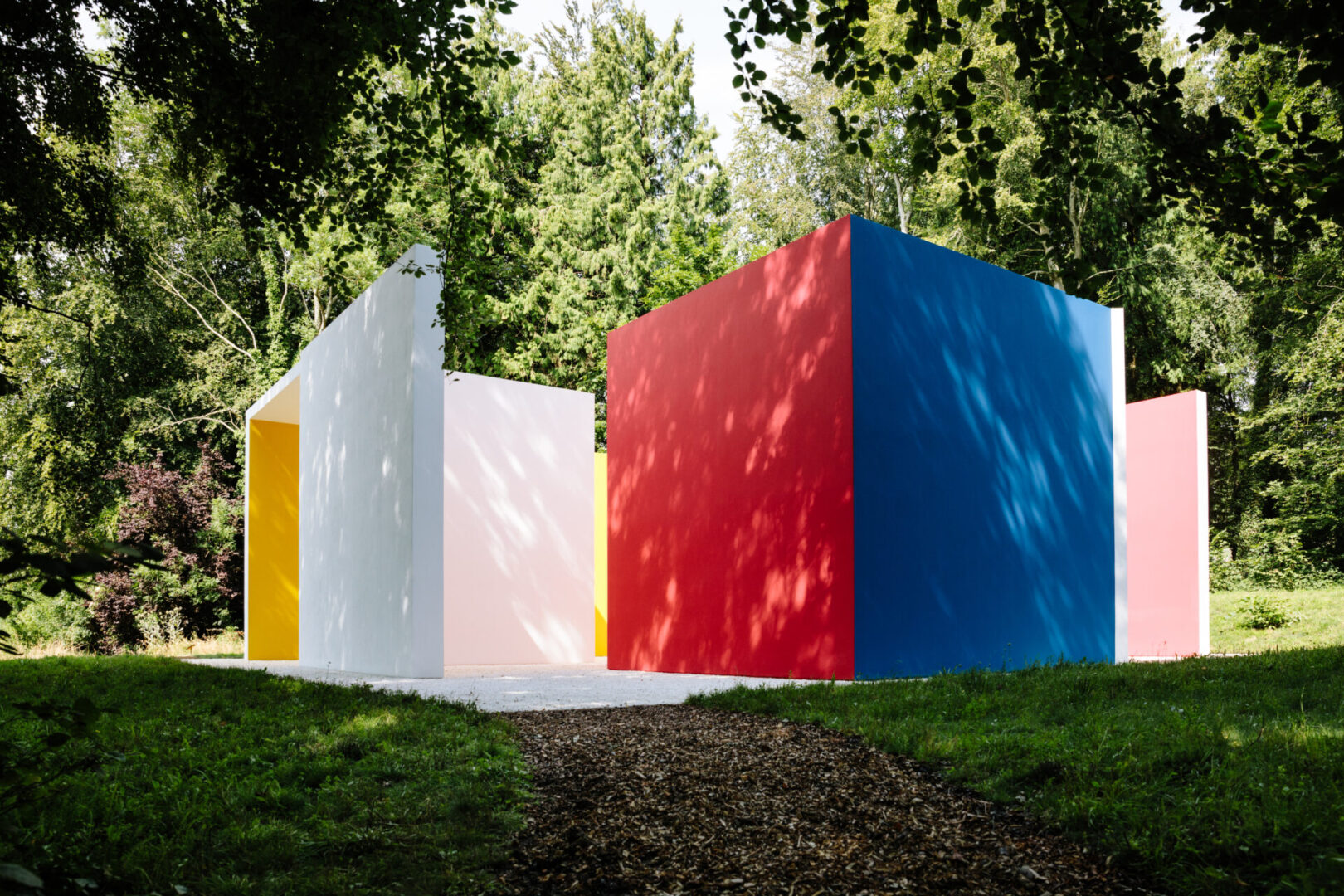
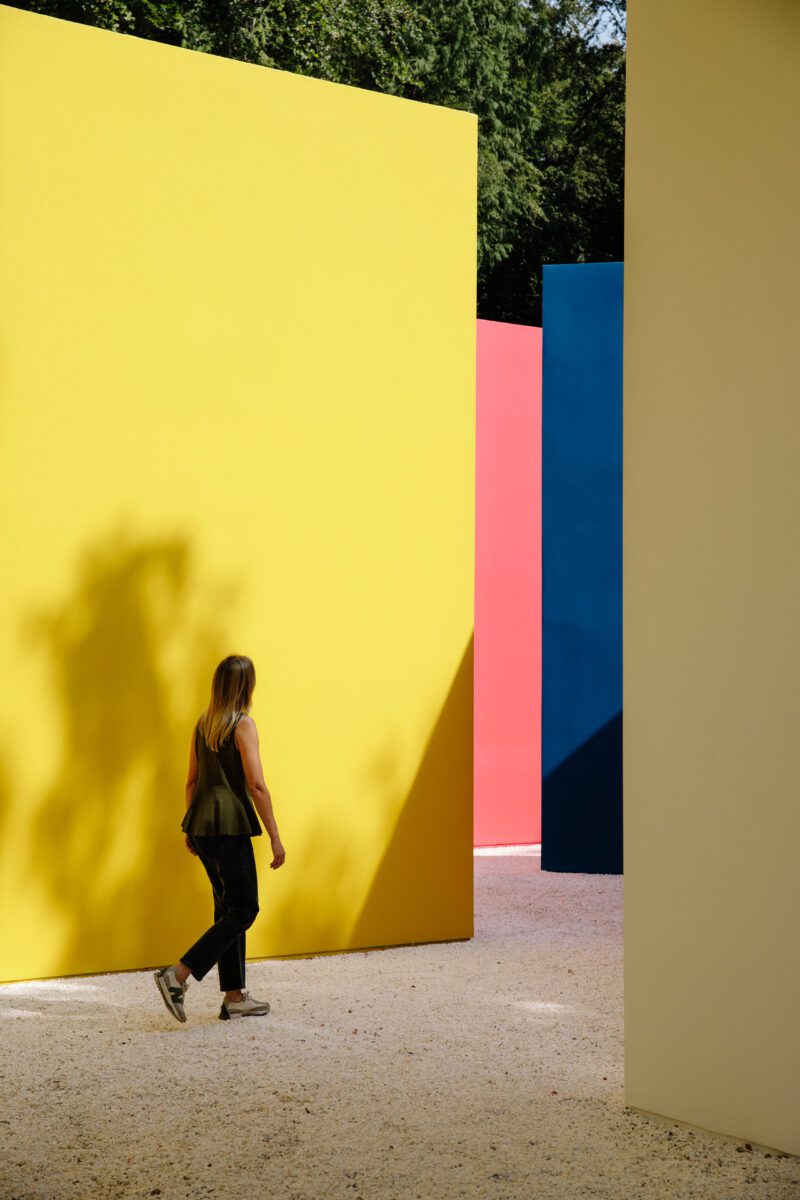
Goodwood Art Foundation has unveiled the first outdoor installation to be shown in Europe by the renowned artist, introducing a boldly coloured, maze-like structure to the 70-acre landscape. Magic Square #3 is an open-air architectural labyrinth made from bright plastic walls. Located on the edge of the Foundation’s woodland with views towards the Sussex coast, the sculptural installation is on long-term loan, having been meticulously constructed according to the late artist’s instructions. Richard Grindy, Director of Goodwood Art Foundation, says: “The opportunity to realise and present the first outdoor installation of Hélio Oiticica’s work in Europe is extraordinary and a reflection of our commitment to bringing internationally significant art to West Sussex. Set within our landscape, the work allows visitors to experience Oiticica’s radical vision in a setting that amplifies its enduring relevance and vitality.”
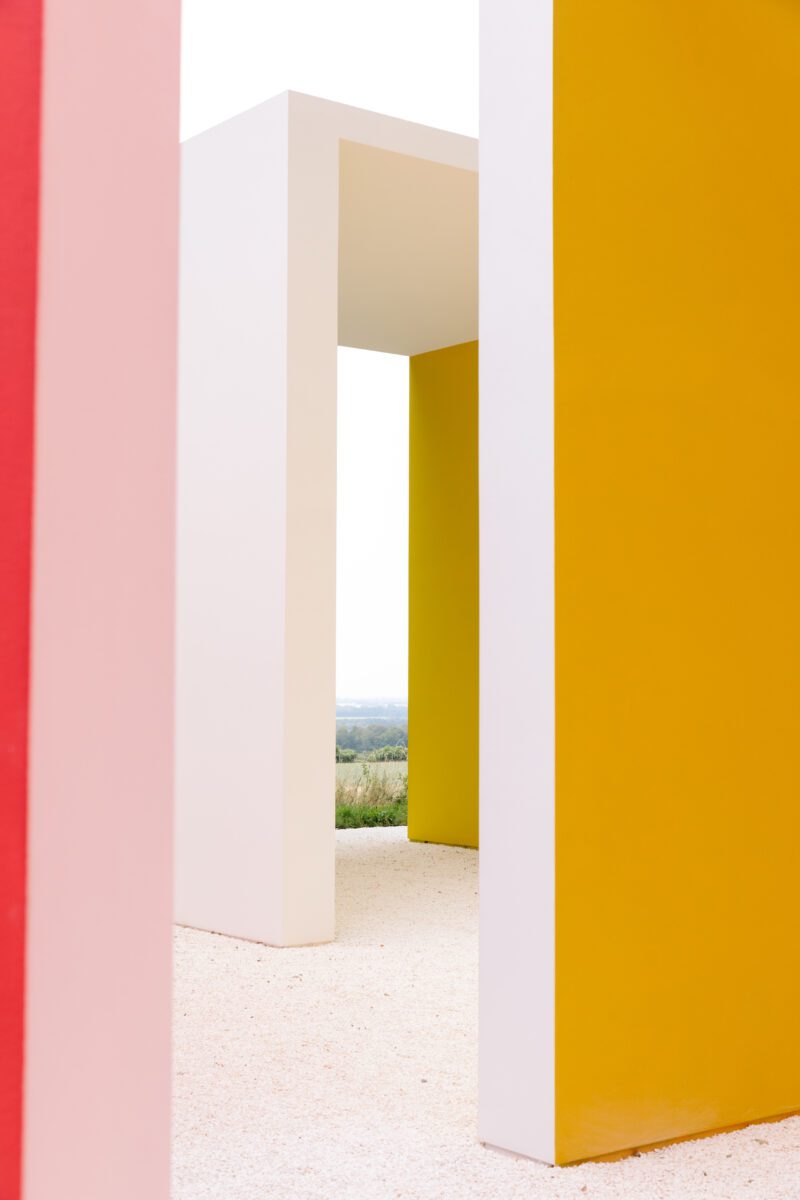
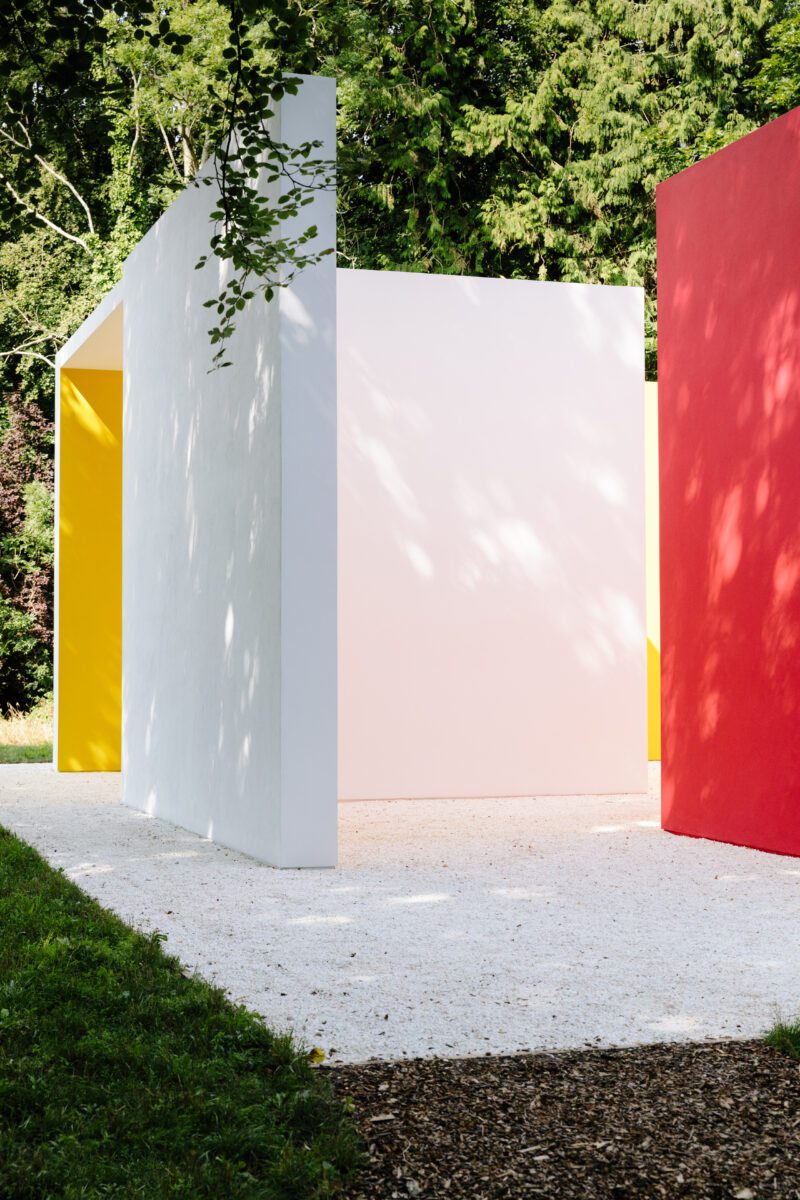
Interaction is at the very heart of Oiticica’s practice, placing people as the focus of his work. This is keenly felt at Goodwood, where Magic Square is the culmination of almost two decades of experimentation. The artist first began to move away from painting on flat surfaces in the 1960s. He started to make objects from layers of painted fabric, plastic, mats and ropes, called Parangolés, which were designed to be worn or held, while dancing to the rhythm of Samba. This pursuit truly took off with Tropicália in 1967, a title intended to play on the stereotypes of Brazil as a tropical paradise. More than just being revolutionary in the art world, it drew on the political and social upheaval in Brazil at the time. In 1964, a USA-backed military coup brought about an oppressive right-wing government, which cracked down on political expression and student protests. In reaction to this strict regime, Otiticica, as Tate puts it “advocated the radical potential of simply hanging out.” His structures were inspired by the favelas, the slum dwellings of Rio de Janeiro, and were designed to activate the sense of participants. Visitors were invited to work barefoot in sand, watch TV, touch the surfaces and express themselves freely.
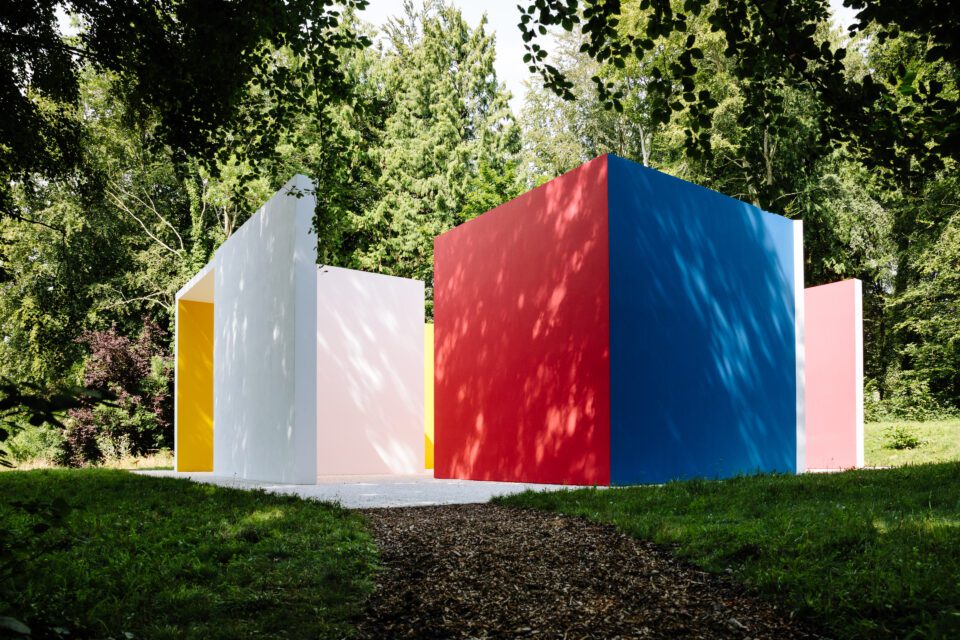
This exhibition embodies the artist’s radical vision to make art participatory and inclusive. It is designed to be walked through and explored, enabling visitors to encounter vivid planes of colour that shifts under changing natural light. Here, it joins other contemporary shows that encourage audiences to interact with the piece. The Serpentine Pavilion 2026, designed by LANZA atelier, emphasises the role of design in everyday interactions. The crinkle-crankle wall design works in dialogue with the surrounding landscape, curving around the nearby tree canopy. A translucent roof allows light and air to permeate the space, softening the boundaries between enclosure and openness, creating room for guests to sit and experience the installation. Meanwhile, Castle Howard’s current display of Es Devlin’s Library of the Four Winds invites everyone to join in communal reading. The magnificent sculpture is made from hundreds of books and four concentric tables, where visitors can read, draw, talk or listen to a soundscape. Goodwood sits comfortably within this sphere, demonstrating what art can be when moved outside of gallery walls.
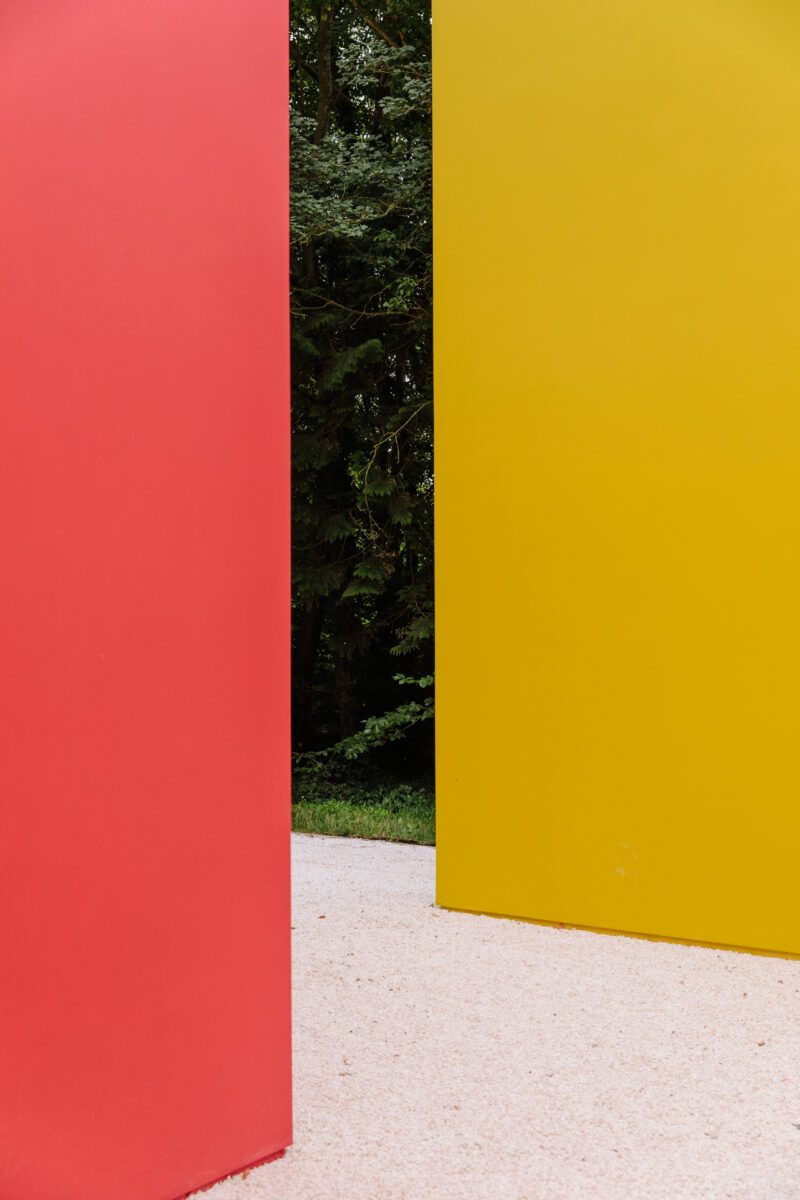
Oiticica’s Magic Square #3 is the latest addition to Goodwood Art Foundation’s summer programme of art that runs until 1 November and features work by international artists Eva Rothschild, Lee Ufan, Nancy Holt, Polly Apfelbaum and Yayoi Kusama. The season brings together over 50 works, encompassing sculpture, installation, ceramics, textiles, photography, film, prints and drawings, displayed within the Foundation’s two galleries and across its 70-acre landscape. Together, these displays reflect the institution’s dedication to presenting landmark works that carry historical and cultural significance.
Find out more about Goodwood Art Foundation’s programme: goodwoodartfoundation.org
Words: Emma Jacob
Image Credits:
All images: Hélio Oiticica, Magic Square #3 (1978; 2026), Installed at Goodwood Art Foundation, UK © César and Claudio Oiticica. Courtesy Lisson Gallery. Photography by Maria Bell.