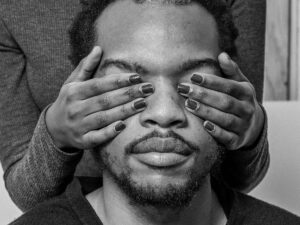
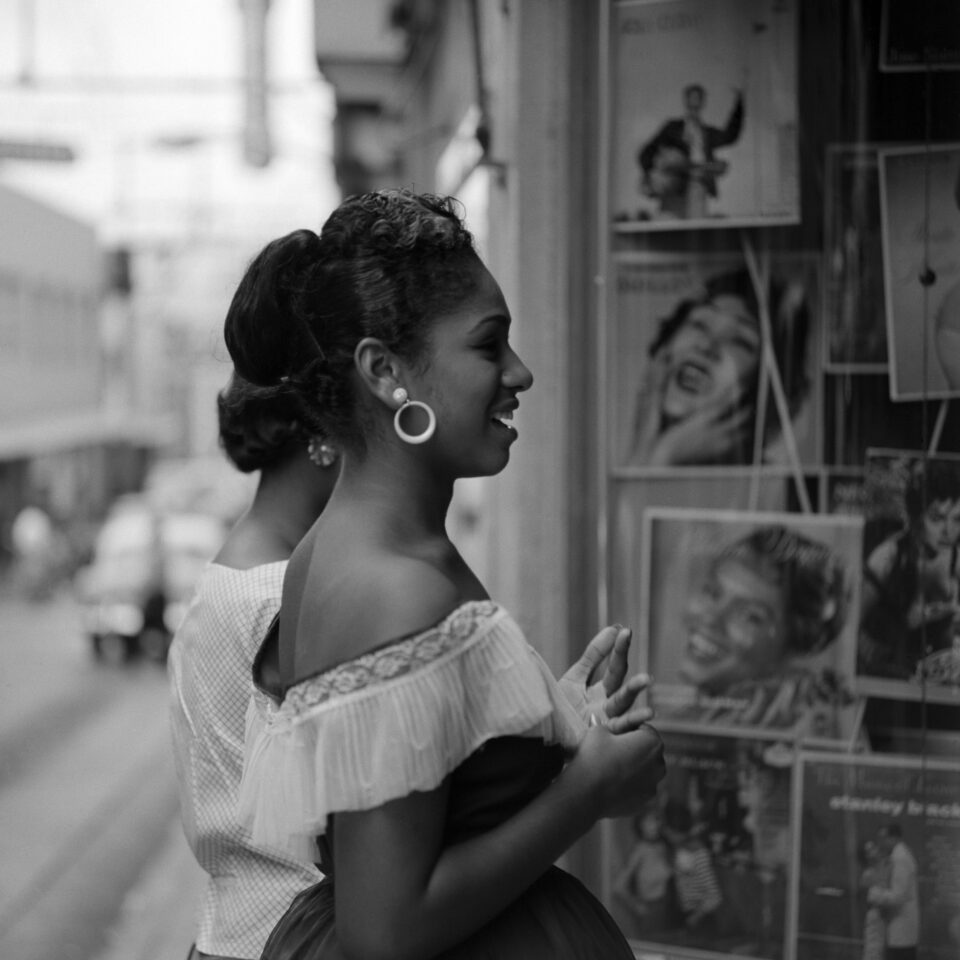
From events in Berlin and chance encounters on the fringes of Alexanderplatz, to dispatches from Vietnam and Cuba, Thomas Billhardt’s images capture a world in perpetual motion. For the Berlin photographer, who passed away in 2025, the camera was an instrument of radical curiosity; with a sharp eye, he trained his lens on the vitality pulsing beneath rigid structures, illuminating the unposed moments of everyday life. A new show at Fotografiska Berlin showcases his most important works, highlighting his lasting impact on modern documentary photography. Claire Ducresson-Boët, Exhibition Manager, says: “It is woven into the very DNA of Fotografiska Berlin to present seminal local photographers, and this exhibition seeks to deepen that commitment. Our aim is to evoke the essence of what made Billhardt singular: to show how he moved through the world with an ever-sharpening gaze, never averting his eyes from reality. He remained deeply attuned to both geopolitical and the quiet, poetic fragments of everyday life.”
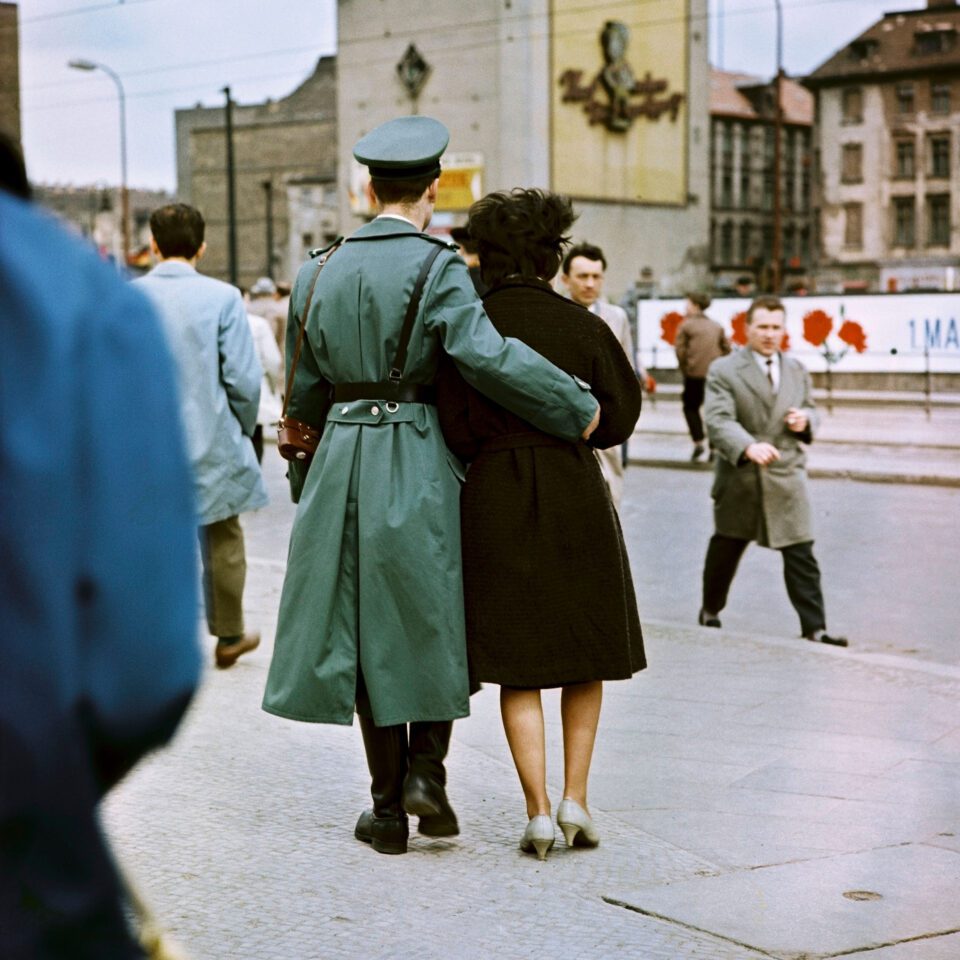
The exhibition showcases key series from several decades, with a focus on the years from 1959 to 1972, illustrating the vast range and international scale of his work. Born in 1937, the artist’s training began at the age of 14 with his mother in Chemnitz, who was an important contemporary portrait photographer. He initially worked in both heavy industry and making postcards, before studying at the Leipzig Academy of Visual Arts. His 1957 thesis project on Berlin’s Alexanderplatz marked the beginning of a lifelong engagement with the historic space. At the time, the German Democratic republic, or East Germany, continued to lag behind the Western half of the country in terms of living standards and material hardships, but economic recovery after WWII was swift and impressive. In 1952, East Germany sealed its borders, but citizens continued to leave through Berlin. One year later, an uprising occurred as workers revolted against increased work quotas, which was brutally crushed by Soviet tanks. The nation was one in flux, with rapid change concentrated in the cities. It is these scenes that Billhardt’s snapshots captured.
However, the artist’s legacy extends far beyond Berlin, having travelled to 49 countries as a freelance photojournalist, often accompanying official state visits of high-ranking politicians. He once said: “Even though I photographed several prominent politicians during my travels, I did not see it as my role. Politicians come and go, I thought back them. Instead, I was interested in social topics and developments. I wanted to tell stories with my images.” This is most evident in his work in Vietnam, where he documented life during the war. He travelled to the country six times between 1962 and 1975, capturing Hanoi as the city faced tremendous shortages of food and water. What makes Billhardt unique is his dedication to a place. Far from moving on to new horizons when the brutal conflict came to an end, the artist continued to visit Vietnam, documenting its people right up until 2020.
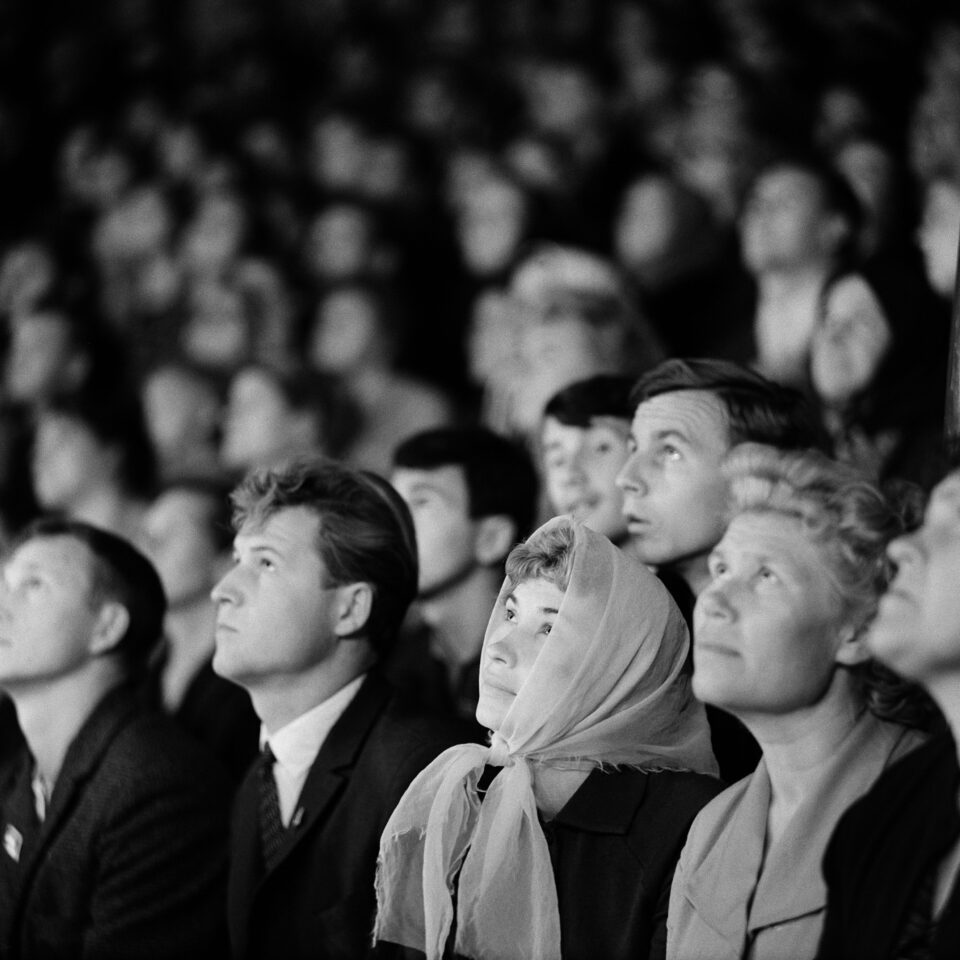
Here, it is easy to draw comparisons to other leading documentary figures of the 20th century. In particular, Don McCullin and James Nachtwey spring to mind, both of whom turned the lens on international conflict and humanitarian crises. McCullin alone captured the atrocities of the Vietnam War, Northern Ireland and, more recently, Syria, although his work also brought him closer to home, recording scenes of poverty and working-class life in London’s East End and the industrial north. Meanwhile, Billhardt’s bustling city scenes have echoes of Joel Meyerowitz, Saul Leiter and Garry Winogrand. Those working in the decades following WWII were privy to a society changing at an unprecedented pace. It was a story told across the world, and audiences today can trace clear parallels between Meyerowitz’s New York and Billhardt’s Berlin, despite the two cities existing in very different circumstances during the 1950s and 1960s. These lens-based practitioners were at the cutting-edge of photography, and were the voices that told the world that the camera was there for more than just a snapshot, it was a tool for activism, advocacy and equality.
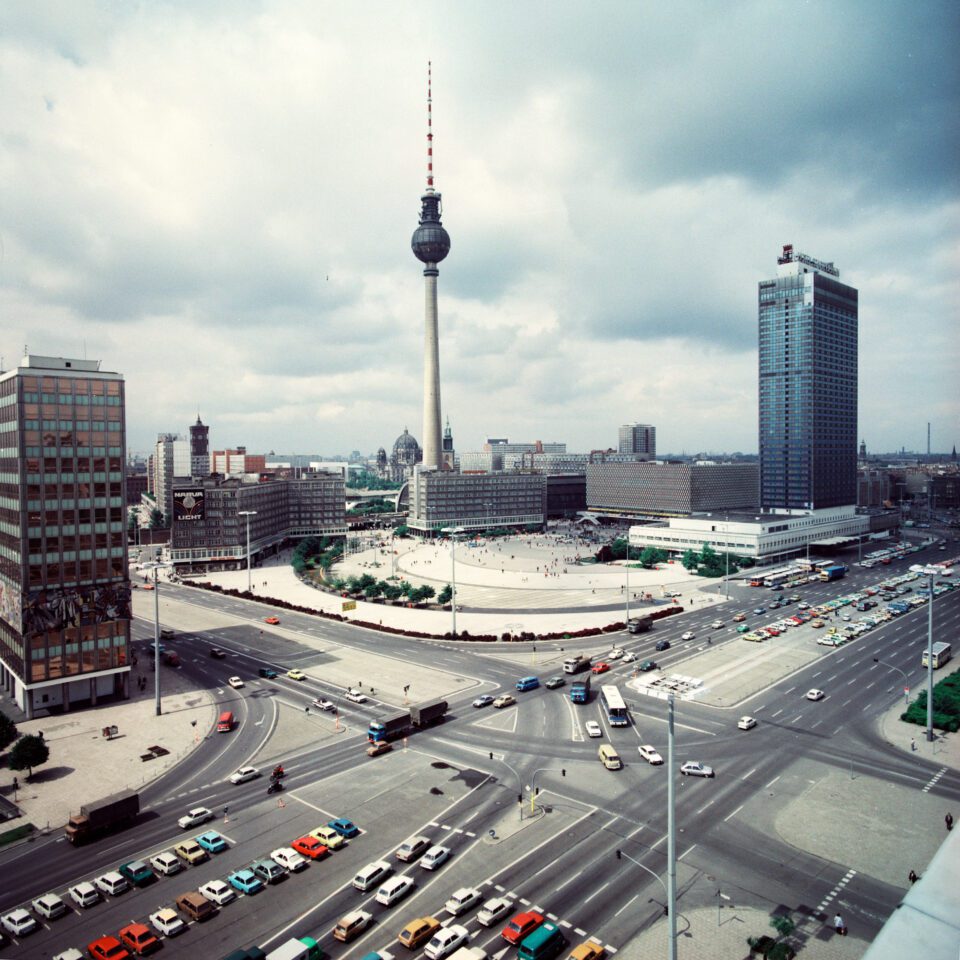
Following the fall of the Berlin Wall in 1989, Billhardt worked for UNICEF, among other organisations, documenting various aid projects across Asia. Once again, the artist used his camera as a way to draw global attention to plights that in previous decades, may have gone unseen. There is an immediacy to his images, which demands the viewer sits up and pays attention. Throughout his life, he walked a fine line: on one hand, he stayed close enough to the authorities to continue working, on the other, he maintained his independence, that shaped his humanistic approach to photography. Fotografiska manages to capture this duality, showcasing a figure who shaped the medium for generations to come.
Thomas Billhardt: Eyes Wide Open is at Fotografiska Berlin 28 August – 7 February: berlin.fotografiska.com
Words: Emma Jacob
Image Credits:
1. © Thomas Billhardt / CAMERA WORK Gallery, Deutschlandtreffen – Er.ffnungsveranstaltung im Walter-Ulbricht-Stadio, Berlin, 1964.
2. © Thomas Billhardt / CAMERA WORK Gallery. Havanna, Kuba, 1961.
3. © Thomas Billhardt / CAMERA WORK Gallery. Alexanderplatz, Berlin, 1958.
4. © Thomas Billhardt / CAMERA WORK Gallery. Moskau Staatszirkus, Chabarowsk, Sowjetunion, 1966.
5. © Thomas Billhardt / CAMERA WORK Gallery. Alexanderplatz, Berlin, 1987.