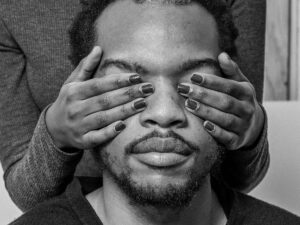
According to a recent survey by the UK government, an estimated 73% of people in Britain use AI in their day-to-day life. It is the topic on everyone’s lips – dominating news discourses and government debates. In just the past 24 hours, research by Durham University suggests “AI chatbots can be as effective as humans at emotional support,” whilst the Financial times asks “Is AI killing critical thinking in the classroom?” The technology is used in healthcare, warfare, employment, education and agriculture, moulding almost every aspect of the future. It is clear that AI, algorithms and digital technologies already govern a large part of everyday life – most without our awareness. Photographer and artist Carola Lampe has dedicated her career to exploring this development. Her project, Tell Me What to See, presses reality and artificiality so close together that the line between them blurs. The work is now on display at Fotografiska Berlin, as part of their Emerging Programme, which spotlights the next generation of talent.
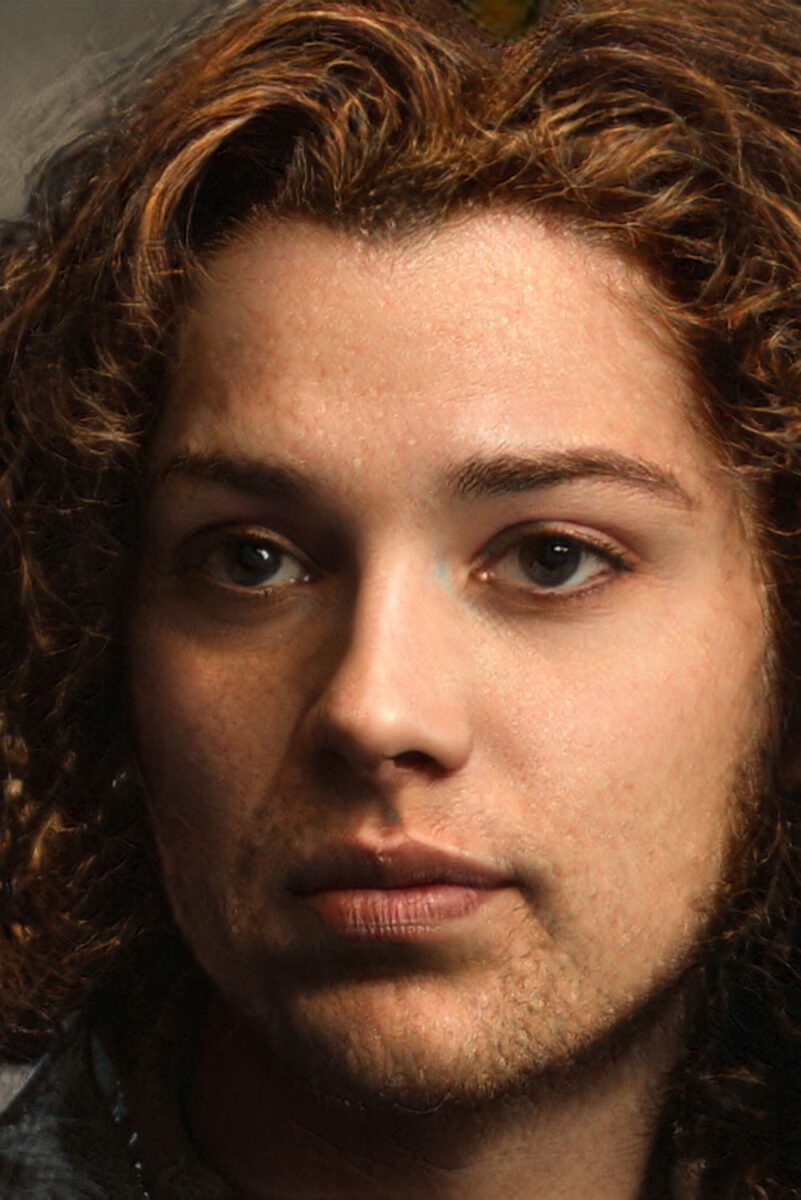
Her working process was as hands-on as it was conceptual: first, she went out into the streets to capture images in the style of classical street photography. In the second step, she staged scenes in her studio, deliberately posing the question: is this still photographed reality or already computer-generated fiction? The third layer of her process was experimental in nature. She created AI generated images, screenshots of 3D environments, as well as image manipulations using Photoshop. In bringing the three approaches together, the exhibition invites audiences to engage in a game with their own perception. Some images can be recognised as computer-generated, but with others it is not so obvious. Lampe says: “And that’s by design: you’re standing in front of something, simply not knowing what you’re looking at.”
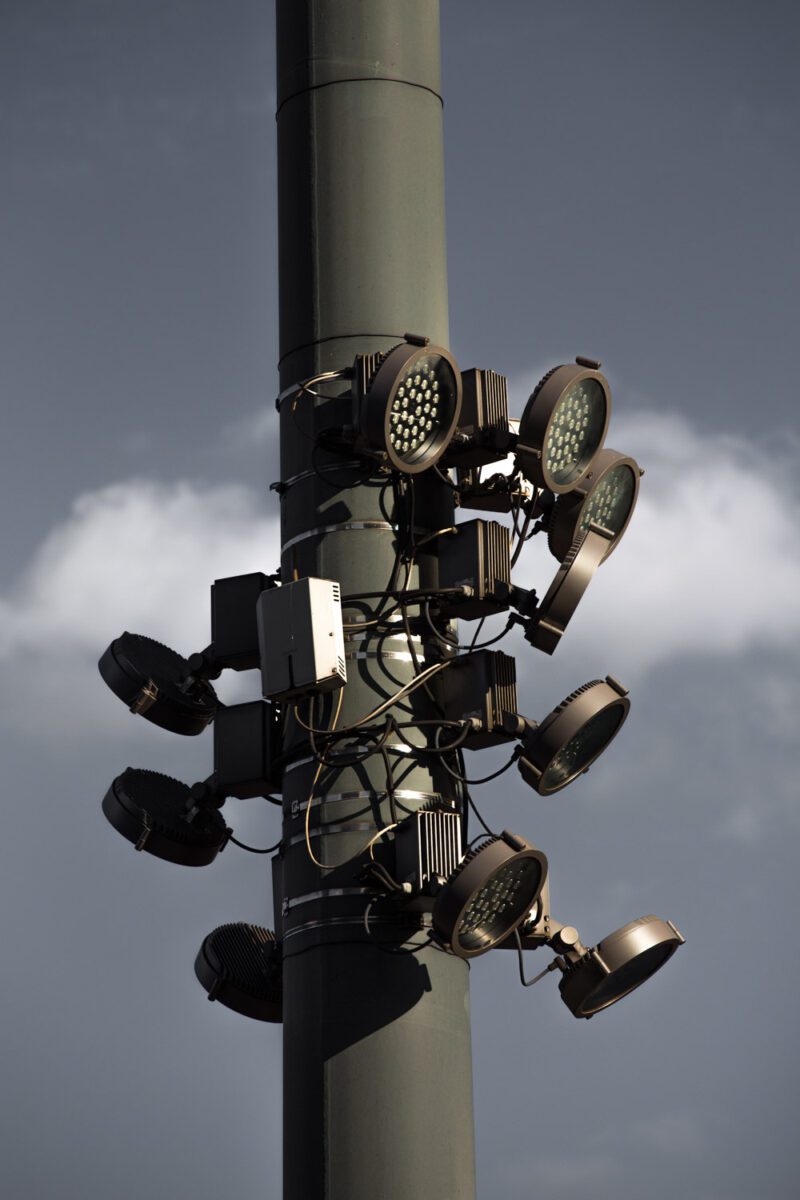
The impressive exhibition follows a series of projects that explore how technology has shaped, and continues to shape, contemporary life. Humanoid saw the artist go out into her immediate surroundings to find science fiction style images. The result was slightly dystopian, yet eerily familiar. The fluorescent lights of office buildings reveal men is suits, working late into the night, and figures sit beside nature, but remain absorbed in their laptop screens. The artist described: “I wanted to create a vision of what the world looks like as you start to notice these shifts happening on micro levels.” This tightrope between the typical and the uncanny is where Lampe’s work really shines. She reminds us that change often creeps up incrementally, and if we don’t pay attention, we may look up and see an entirely different world.
Tell Me What To See expands this line of thought, but is subtle and ambiguous where Humanoid is upfront and narrative-driven, playing with the audience’s perceptions and understanding of technology. Lampe continues: “With Humanoid, it was more straightforward. That was a consciously dystopian project. With Tell Me What To See, I want to keep it somewhat open, let the viewers make up their own minds. From my perspective, it does tend that way. I see certain developments I can’t unreservedly get behind. I have a background in software development, and I’m critical of a lot of what goes on there.”
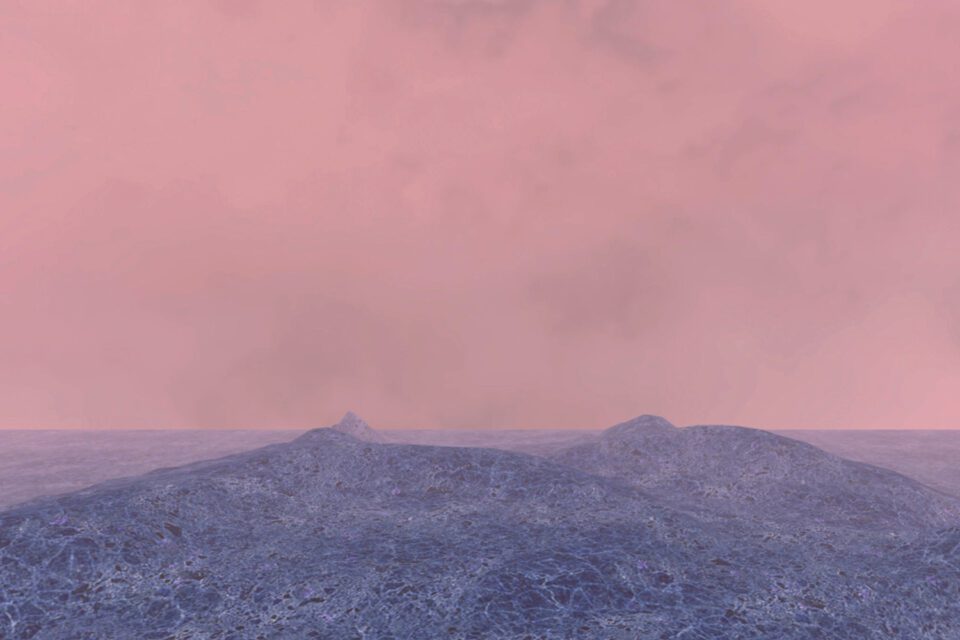
Lampe joins a growing number of artists who are considering the impact of AI on both image-making and a wider cultural output. Their works question data ownership, algorithmic bias and machine perception, complicating the narrative beyond seeing AI as something that can merely generate visuals, positioning it as a powerful and potentially dangerous tool that can influence people’s worldview. Perhaps the most influential artist in the space is Refik Anadol, who turns museum archives and data into large, flowing abstract video sculptures, questioning how machines “remember” human culture. Meanwhile, Jake Elwes highlights how AI models handle marginalised groups. Zizi & Me uses deepfakes to look at drag culture and queer identity, highlighting how the software can reinforce human biases and stereotypes.
In a field where AI’s abilities, and the laws that govern it, are changing at a rapid pace, these artists provide a vital space for reflection. Lampe is particularly adept as understanding these nuances, explaining that “the economic and geopolitical interests at stakes are simply too great, and the technology is being driven forward by an increasingly diverse range of actors. But that does not mean we are entirely at its mercy. I do not want to write it off as straightforwardly negative. In fields like medicine, research and productivity, artificial intelligence has the potential to bring enormous benefits. At the same time, the risks are substantial: power concentrating in the hands of a few technology corporations, new forms of surveillance and disinformation, and a growing dependence on digital infrastructure. Our relationship to truth is already shifting. Images, voices and videos can no longer be taken at face value.”
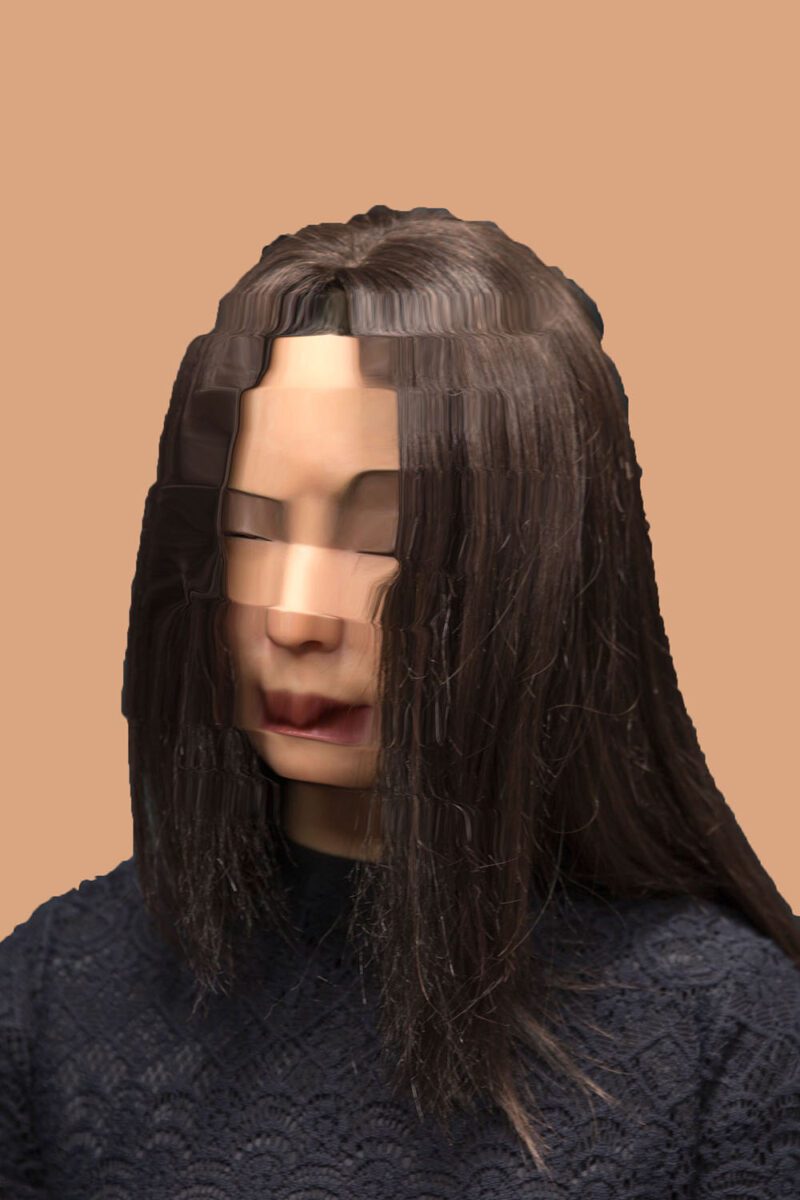
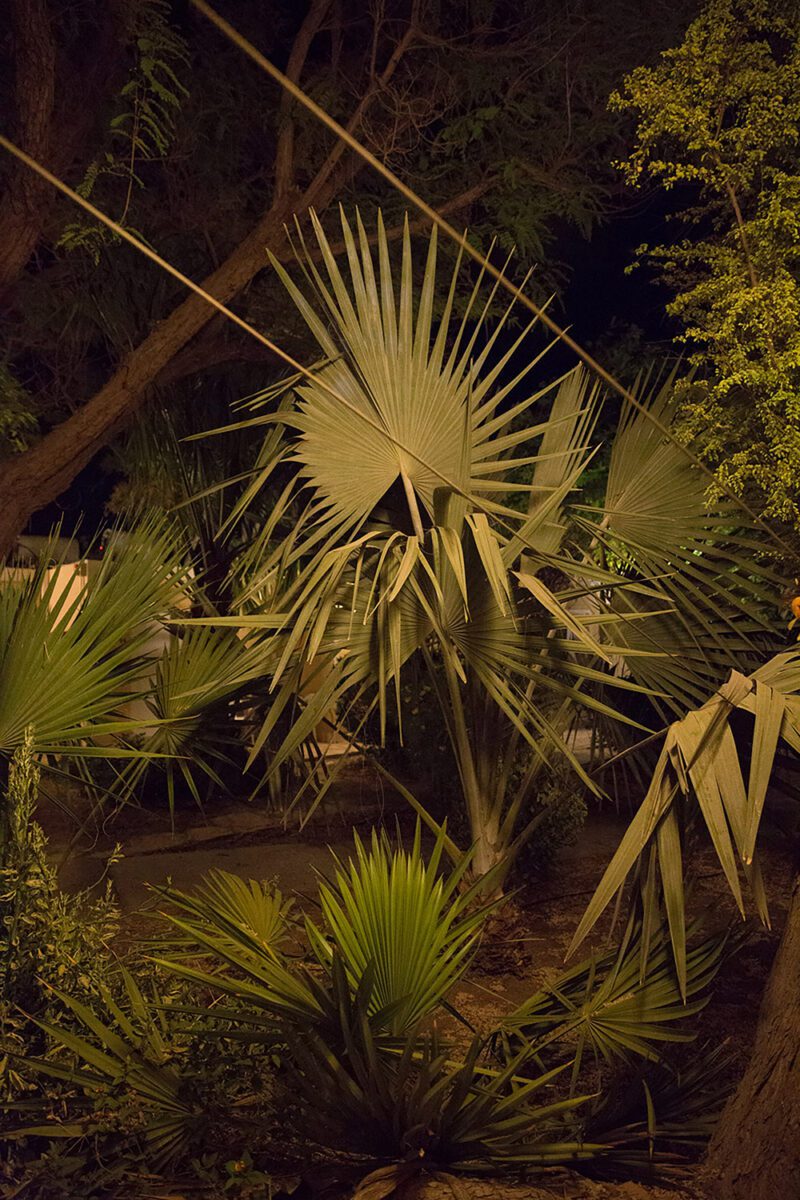
There are few topics as pressing, controversial or existential as the dawn of the AI age. It affects our relationships, employment, climate, psychology and society – there is little left untouched. In addressing it, Lampe creates vital space for discourse around the issue. The artist doesn’t offer easy answers, or one singular narrative, instead creating time for audiences to truly consider what artificial intelligence means for their lived reality. It’s fascinating, and at times uncomfortable, but undoubtedly urgent and timely.
Carola Lamp: Tell Me What to See is at Forografiska Berlin from 14 August – 20 October: berlin.fotografiska.com
Words: Emma Jacob
Image Credits:
All images: Tell me what to see © Carola Lampe.