Museums do not just preserve history; they determine how it is organised, displayed and understood. Within the Royal Scottish Academy building, Catherine Opie: To Be Seen creates a conversation between contemporary photography and Scotland’s national art collection, examining how portraiture has shaped ideas of power, identity and social recognition. Following its acclaimed presentation at the National Portrait Gallery in London, the exhibition arrives in Edinburgh as Opie’s first major solo exhibition in Scotland, bringing a new context to a body of work concerned with the relationship between images and collective memory. In collaboration with the artist, this presentation asks what happens when a contemporary photographic archive enters dialogue with centuries of institutional portraiture. Instead of tracing Opie’s career, the exhibition asks how museums participate in constructing narratives of belonging.
Portrait galleries have traditionally been spaces where authority is made visible. Across centuries, portraiture has recorded monarchs, aristocrats, political figures and cultural leaders, creating visual archives that reflect existing structures of power. The genre has often been associated with inheritance and status – a means of preserving the presence of those already positioned within social hierarchies. By placing Opie’s photographs alongside works from Scotland’s national collection, To Be Seen examines how these conventions can be reconsidered. The exhibition proposes that portraiture is not only a record of who has been seen, but also a reflection of who institutions have historically chosen to remember.
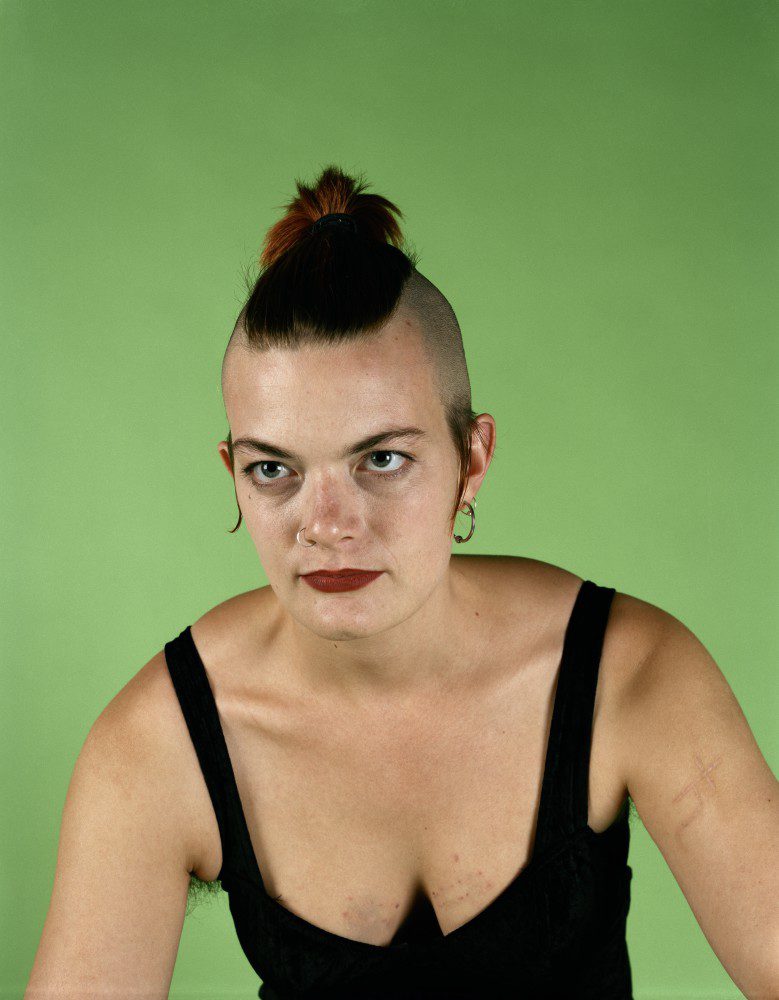
The dialogue between Opie’s photographs and works from Scotland’s national collection forms the foundation of the Royal Scottish Academy presentation. Across seven rooms, nearly 80 photographs are positioned alongside selected paintings, creating a series of encounters between different approaches to representation. The pairing of Opie’s contemporary portraits with works such as Benedetto Gennari’s Elizabeth Murray, Duchess of Lauderdale raises important questions about how status is communicated through images. A 17th century aristocratic portrait, created within a tradition of privilege and social authority, sits alongside photographs that challenge assumptions about whose lives deserve historical recognition. These juxtapositions do not erase the differences between the works; instead, they reveal how portraiture has always been connected to questions of power, visibility and cultural value.
This curatorial approach transforms the museum from a place of preservation into a space of reinterpretation. By bringing Opie’s photographs into conversation with historical paintings, the exhibition challenges the idea that collections represent fixed accounts of the past. Instead, meaning is created through relationships between artworks, allowing viewers to consider how different periods have constructed ideas of identity and importance. Picasso’s Mère et enfant, for example, introduces another perspective on family and intimacy, creating a dialogue with Opie’s own explorations of personal relationships and lived experience. The exhibition demonstrates that museums do not simply display objects; they create frameworks through which audiences understand connections between histories.
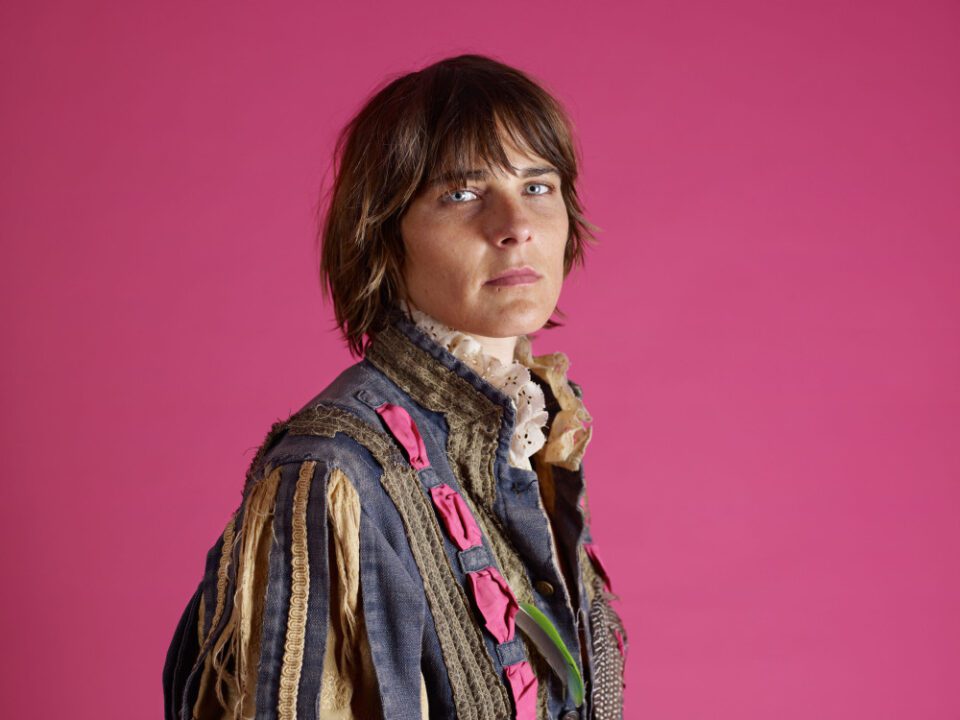
Within this context, Opie’s early investigations into portraiture become a critique of the traditions that have shaped the genre. Being and Having (1991), comprising 13 closely cropped portraits of Opie and her friends adopting masculine personas, challenges assumptions around gender, authority and self-representation. Referencing the formal language of historical portraiture, the series adopts visual codes traditionally associated with confidence, status and power while redirecting them towards queer communities often absent from institutional narratives. Inspired by artists such as Hans Holbein the Younger, whose portraits established likeness as a marker of social importance, Opie creates her own form of contemporary portraiture that questions who can occupy positions of visibility. The work becomes not simply an exploration of identity, but an intervention into the history of representation itself.
Questions of collecting and institutional memory remain central throughout To Be Seen. National collections traditionally reflect particular cultural perspectives, shaped by historical patterns of patronage, access and recognition. Opie’s photographs challenge these structures by presenting individuals and communities as subjects worthy of preservation within the broader cultural record. Her portraits of artists, activists and LGBTQ+ communities operate as documents of connection and experience, expanding the possibilities of what a historical archive can contain. Her practice reflects wider debates within museums around inclusion, representation and the responsibility to acknowledge overlooked histories.
The significance of Opie’s work lies partly in her ability to connect personal encounters with larger social narratives. Her portraits are never simply records of individuals; they explore the relationships between people, communities and the cultural conditions that shape their lives. Photographs from the 1990s West Coast leather dyke scene preserve a specific moment of collective expression while resisting the tendency to position marginalised communities as subjects viewed from a distance. Opie’s approach emphasises presence, agency and participation. These images become forms of social history, demonstrating how photography can preserve experiences that may otherwise remain outside official accounts.
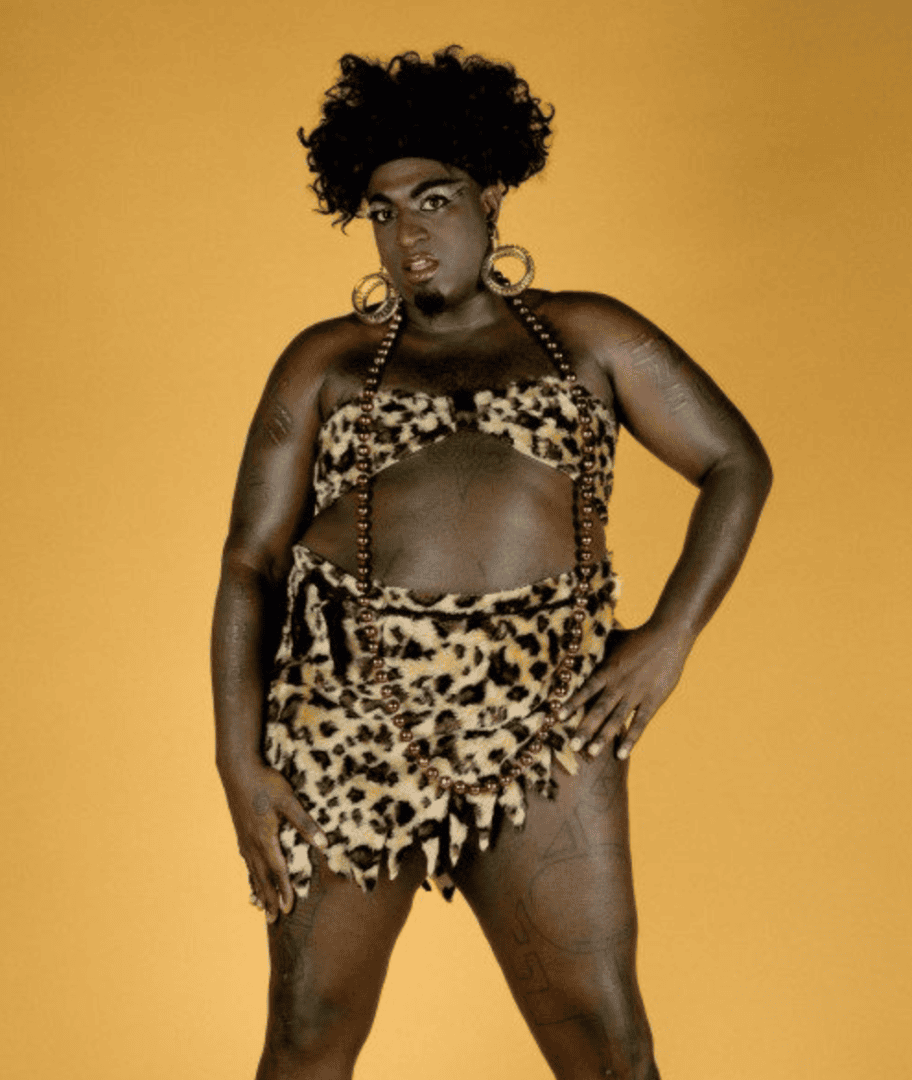
Political life becomes a form of portraiture within Opie’s practice. Images documenting Barack Obama’s presidential inauguration, Tea Party rallies and LGBTQ+ rights demonstrations examine how individuals become part of wider civic narratives. Rather than presenting political events only through symbols or moments of conflict, Opie focuses on the people who inhabit these spaces and the identities expressed through public participation. Her photographs contribute to broader discussions around documentary photography and the role of images in shaping historical understanding; revealing that collective memory is not formed only through major events, but through the individuals who experience and witness them.
Alongside these public histories, the exhibition explores the intimate structures through which identity is formed. Photographs of family, motherhood and personal relationships reveal how private experiences become connected to wider cultural narratives. These works challenge traditional distinctions between the personal and the political, showing how everyday lives are also part of history-making processes. Within the museum environment, such images question what forms of experience have traditionally been considered worthy of collection. Opie’s contribution is to expand the archive, positioning ordinary moments of connection alongside established accounts of social importance.
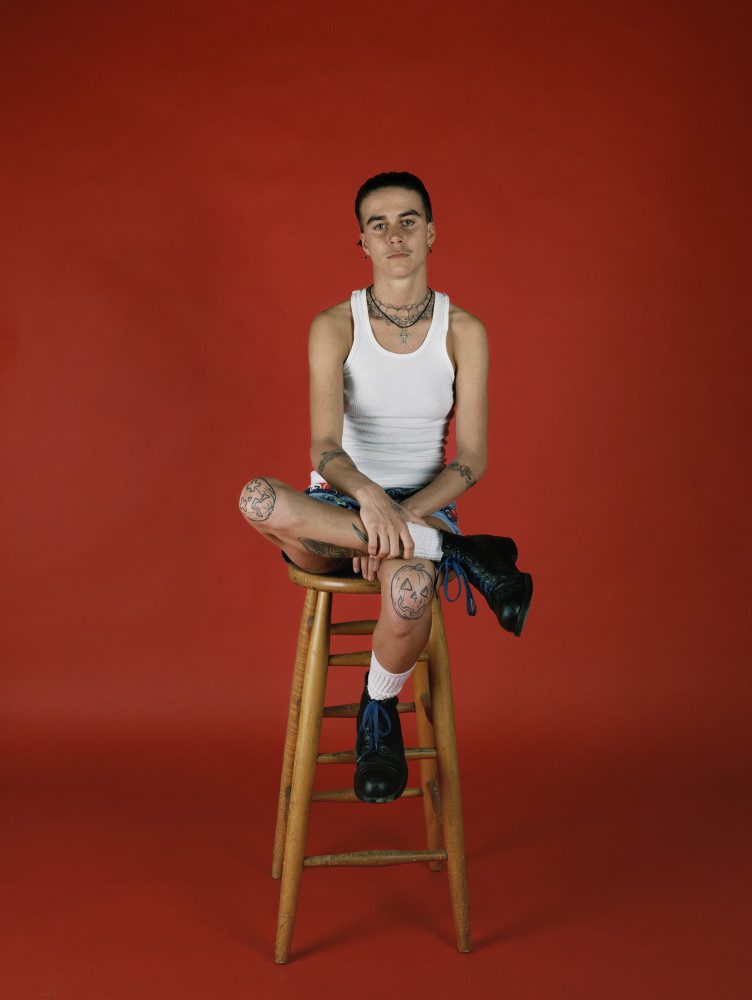
Photography has often occupied an uncertain position within museum collections, existing between documentation, artistic interpretation and historical evidence. Opie’s practice challenges these boundaries by demonstrating that photographs do not simply capture existing identities; they actively shape the ways those identities are understood. Her work connects with wider contemporary conversations around representation, archives and the role of institutions in preserving diverse experiences. Yet the significance of To Be Seen extends beyond the photographs themselves, focusing on the structures that surround them. By placing Opie’s work within Scotland’s national collection, the exhibition asks museums to reconsider not only what is displayed, but how and why certain histories enter public memory.
The Edinburgh presentation of To Be Seen is a significant new chapter in the exhibition’s journey. Following its London opening, the move to the Royal Scottish Academy building creates a different encounter, one shaped by the relationship between Opie’s photographs and Scotland’s artistic heritage. The exhibition demonstrates how museums can actively become spaces of questioning, where established narratives are placed alongside newer perspectives. Through carefully considered juxtapositions, Opie’s work reveals portraiture as a living practice – one capable of preserving history while challenging the structures that previously definee it. Ultimately, To Be Seen suggests that recognition is not only about being represented, but about transforming the ways representation itself is understood by many.
Catherine Opie: To Be Seen is at Royal Scottish Academy, Edinburgh from 8 August – 1 November: nationalgalleries.org
Words: Simon Cartwright
Image Credits:
1&3. Catherine Opie, Daniela, 2009 © Catherine Opie. Courtesy the artist, Regen Projects, Los Angeles, Lehmann Maupin, New York, Hong Kong,
2. Catherine Opie, Chloe, 1993 © Catherine Opie. Courtesy the artist, Regen Projects, Los Angeles, Lehmann Maupin, New York, Hong Kong,
4. Catherine Opie, Divinity Fudge, 1997 © Catherine Opie. Courtesy the artist, Regen Projects, Los Angeles, Lehmann Maupin, New York, Hong Kong, London, and Seoul, and Thomas Dane Gallery.
5. Catherine Opie, Pig Pen, 1993 © Catherine Opie. Courtesy the artist, Regen Projects, Los Angeles, Lehmann Maupin, New York, Hong Kong, London, and Seoul, and Thomas Dane Gallery.jpg