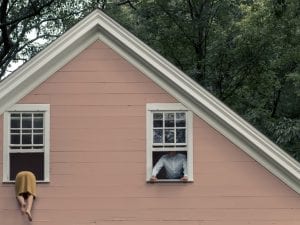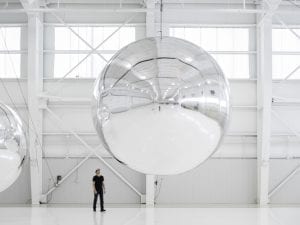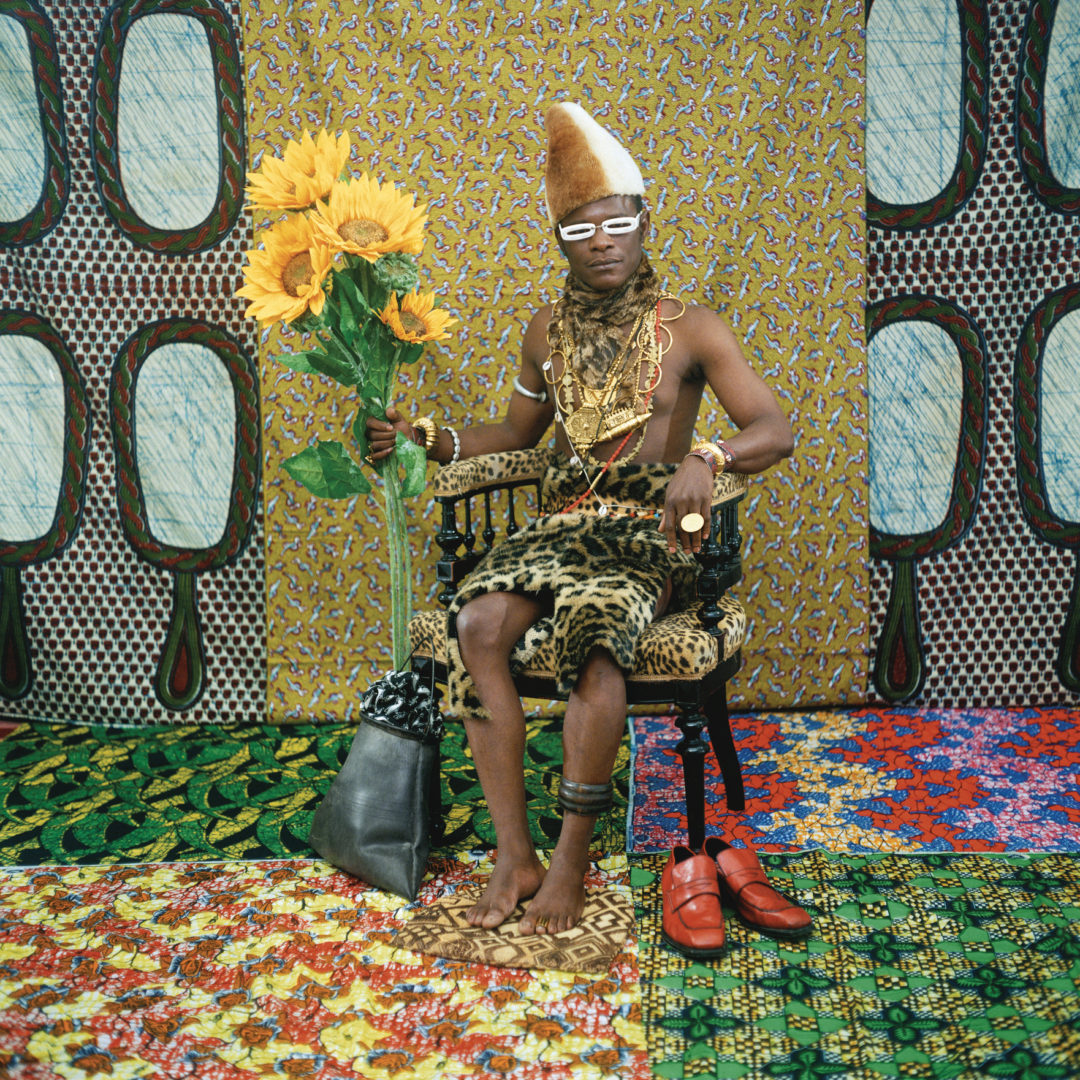
Pan-Africanism has never been a singular movement with a fixed destination. Its histories are shaped by migration, resistance, cultural exchange and the ongoing negotiation between shared aspirations and distinct local experiences. Emerging through struggles for self-determination and political sovereignty, Pan-African thought has also provided artists, writers and cultural practitioners with a language through which to imagine relationships beyond the borders imposed by colonial rule. Project a Black Planet: The Art and Culture of Panafrica at the Barbican, London, examines this expansive legacy through more than a century of artistic production, tracing how images, objects and cultural networks have shaped conversations across Africa and its global diasporas. At its core, the exhibition considers a question that remains urgent today: how can histories shaped by resistance and cultural exchange be presented within institutions that have themselves been formed through collecting, classification and display?
Museums now occupy a complicated position within wider conversations around decolonisation, restitution and historical accountability. Across Europe and North America, institutions are reassessing the provenance of collections, responding to calls for the return of cultural materials and reconsidering the narratives through which art histories have traditionally been organised. These debates have shifted attention from increasing representation alone towards examining the structures that determine how knowledge is produced, preserved and circulated. Within this landscape, Project a Black Planet does more than introduce audiences to artists whose practices have been overlooked within dominant narratives. The exhibition becomes part of a wider institutional conversation about how museums might engage with global histories while acknowledging the power relations embedded within their own frameworks.
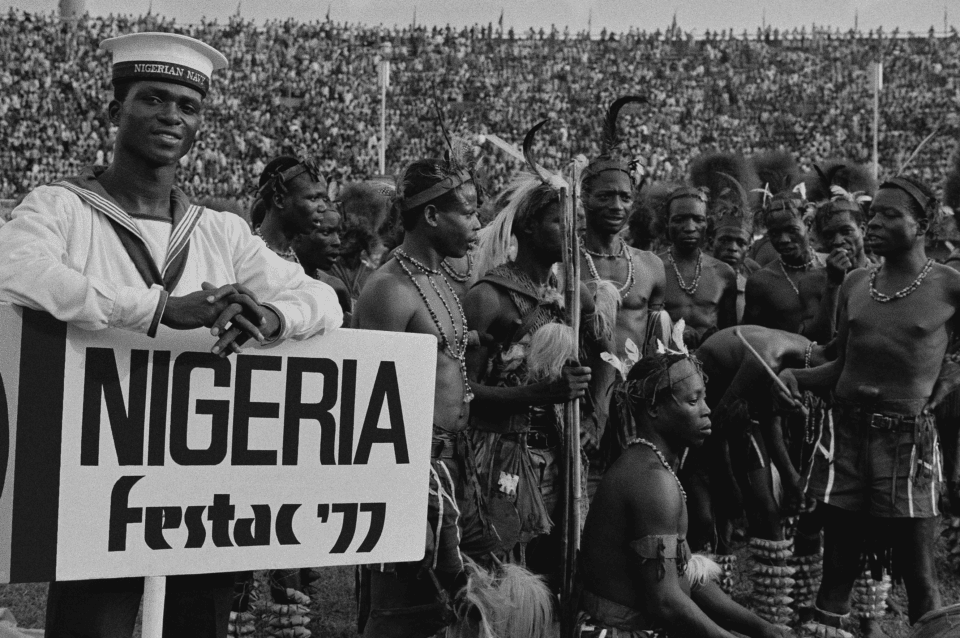
Curators Antawan I. Byrd, Adom Getachew, Elvira Dyangani Ose and Matthew S. Witkovsky approach Panafrica as an evolving network rather than a chronological account. Their selection brings together painting, sculpture, photography, film, publications and archival materials, reflecting the diverse forms through which Pan-African ideas have travelled. This expansive framework challenges conventional museum hierarchies by placing political pamphlets, magazines and community-based materials alongside formally recognised artworks. Such an approach reflects broader developments in contemporary curatorial practice, where archives are increasingly understood as active sites of interpretation rather than neutral collections of information. The exhibition asks audiences to consider the cultural, political and institutional processes that have determined which histories enter public view.
The idea of Panafrica itself remains complex because solidarity has never erased difference. Movements connected to African independence, Caribbean intellectual traditions, Afro-Latin American struggles, Black liberation movements in the United States and diasporic communities across Europe developed through distinct historical circumstances. These experiences have intersected through shared concerns around racialisation, displacement, economic inequality and political representation. Project a Black Planet navigates this tension by resisting a simplified vision of global unity, instead presenting Pan-Africanism as a conversation between multiple locations, generations and forms of knowledge. The exhibition reveals solidarity as an ongoing practice shaped by exchange, debate and negotiation.
Modernism provides one of the exhibition’s key sites of re-examination, particularly through artists who challenged Western assumptions about artistic innovation. Wifredo Lam’s paintings from the 1940s demonstrate how Caribbean artists transformed modernist languages by incorporating Afro-Cuban histories, spiritual traditions and ancestral references. His figures disrupt colonial distinctions between the modern and the so-called primitive, revealing how European avant-garde movements were influenced by cultural forms that were both admired and marginalised. Lam’s practice demonstrates that modern art cannot be understood through one geographical centre, but through exchange involving Africa, the Caribbean, Latin America and Europe. His work embodies the exhibition’s argument that Pan-African thought is not separate from global modernity, but one of the forces that has shaped its development.
Political struggle appears throughout the exhibition not as a background context but as a generative force within artistic practice. Farid Belkahia’s Cuba Sí reflects a moment of international solidarity, connecting the artist’s response to Cuba with wider questions of sovereignty, revolution and anti-imperial politics. Bertina Lopes’ expressive paintings similarly emerge from the realities of Mozambique’s liberation movement, carrying the emotional intensity of a struggle that shaped both personal experience and national identity. Their practices reveal how artists have responded not only to colonial histories but also to questions of class, migration, political organisation and social transformation. They also demonstrate the complexity of solidarity itself: shared political commitments can create powerful connections while still requiring attention to the specific conditions from which different movements emerge.
Material, embodiment and representation become central concerns in works that examine how identities are constructed and contested. Marlene Dumas’ Albino, presented alongside Magdalene Odundo’s sculptural vessels, creates a dialogue around perception, categorisation and the meanings attached to bodies and materials. Dumas explores the instability of visual identities and the ways bodies become sites upon which social narratives are projected, while Odundo’s ceramics draw upon histories of craft, spirituality and transformation that challenge divisions between fine art and cultural practice. Their dialogue reflects a broader question within contemporary art: whether representation alone is sufficient, or whether institutions must also reconsider the systems that shape visibility and value. The inclusion of these artists highlights how women have been central to expanding conversations around material knowledge, embodiment and cultural memory within global modernisms.
Public protest and private experience are brought into conversation through artists whose practices examine memory, place and belonging. Kader Attia’s installation Asesinos! Asesinos! transforms domestic materials into an image of collective mobilisation, using doors and megaphones to suggest both the strength and vulnerability of bodies gathered in resistance. Elsewhere, Ingrid Pollard’s photography considers Black British identity through portraits and social landscapes that challenge narratives of absence and displacement, while also engaging with migration, community and national belonging. Claudette Johnson’s monumental figures extend this exploration by focusing on presence and interiority, allowing her subjects a psychological depth often denied within historical representation. Together, these practices demonstrate that cultural liberation is expressed not only through moments of political action, but also through the everyday processes of self-definition, care and belonging.
Archives form another crucial thread within the exhibition, particularly at a time when cultural institutions are questioning whose histories have been preserved and whose have been excluded from official records. Liz Johnson Artur’s film practice draws from photography, oral testimony and community recordings, creating an archive that is intimate, fragmented and continually evolving. Her work reflects the importance of informal forms of preservation, where families, communities, musicians and activists have maintained histories beyond institutional structures. This approach connects with contemporary archival practices that seek to broaden historical understanding while recognising that all archives are shaped by decisions about inclusion, access and authority. Rather than presenting restitution as the sole response to these questions, the exhibition contributes to a larger discussion about how museums might rethink relationships between collections, communities and cultural ownership.
The closing gallery, featuring new paintings and drawings by Lynette Yiadom-Boakye, shifts attention from collective histories towards personal inheritance and interior experience. Her figures explore how ideas of migration, cultural memory and political consciousness shape individual lives across generations. The works consider how movements for liberation continue to influence imagination, identity and creative expression long after their initial historical moments. Alongside the practices of artists such as Claudette Johnson, Pollard and Odundo, Yiadom-Boakye’s contribution also highlights the importance of women artists in shaping contemporary understandings of diaspora, representation and belonging. This emphasis on interiority expands the exhibition’s exploration of freedom beyond public struggle, suggesting that liberation also exists through the ability to imagine, create and define oneself.
Project a Black Planet succeeds because it avoids presenting Pan-Africanism as a completed historical achievement or a single ideological position. Instead, it reveals a continuing intellectual and artistic framework shaped by movements, communities and creative practices across continents and generations. The exhibition acknowledges the possibilities offered by major cultural institutions while remaining attentive to the questions of authority, ownership and interpretation that accompany their role in presenting these histories. Its strength lies in allowing complexity to remain visible – recognising connections without erasing difference, valuing archives while questioning their construction, and expanding representation while examining the structures behind it. In doing so, the Barbican presents Panafrica not as a distant historical idea, but as a contribution to global culture, where histories, identities and futures continue to be shaped through artistic practice, cultural exchange and collective memory.
Project a Black Planet is at Barbican Centre, London until 6 September: barbican.org.uk
Words: Shirley Stevenson
Image Credits:
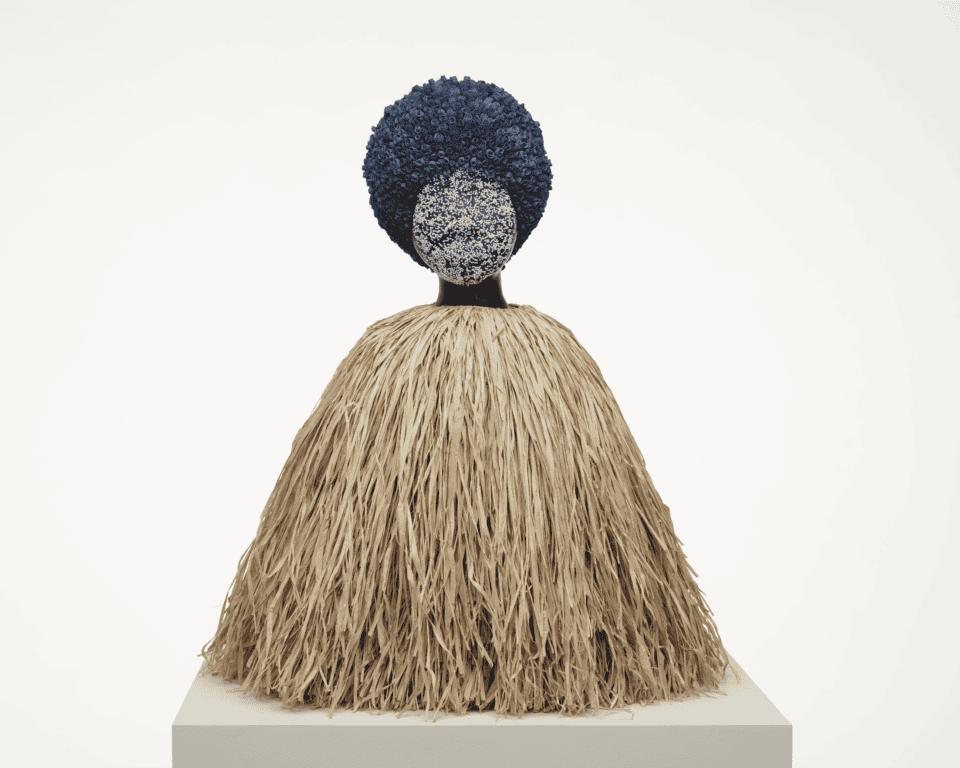
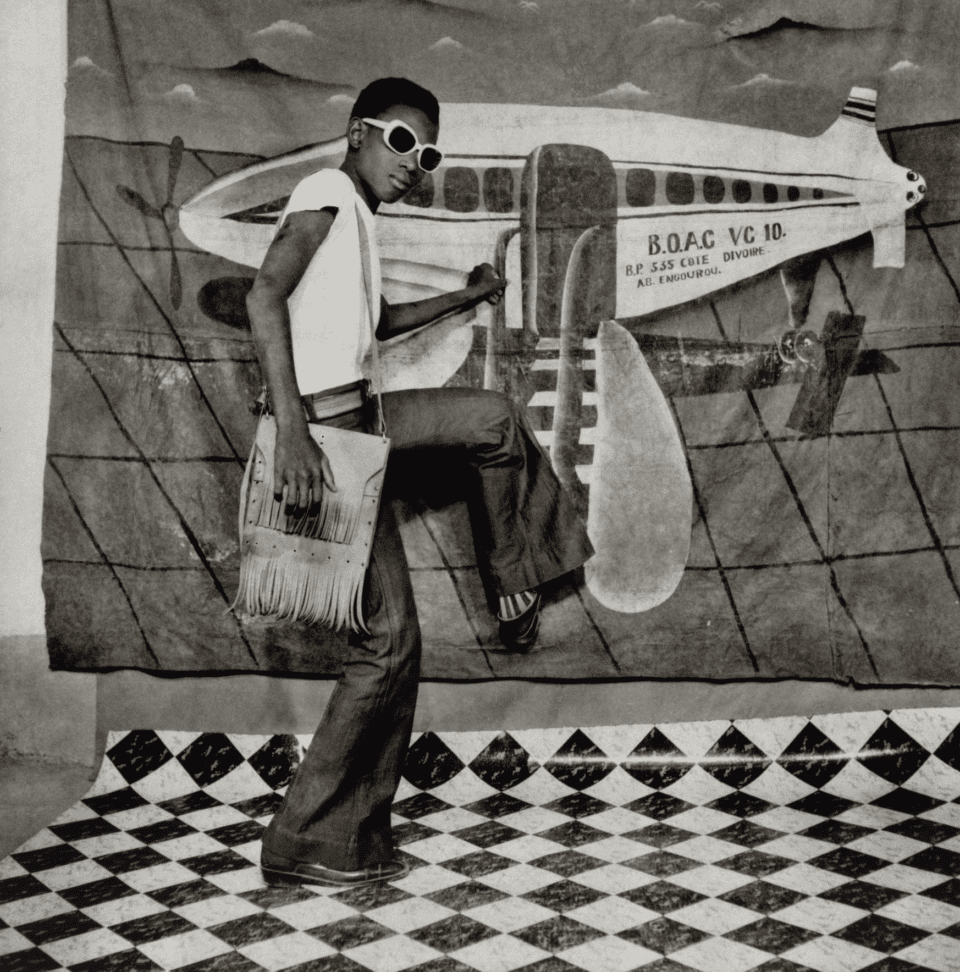
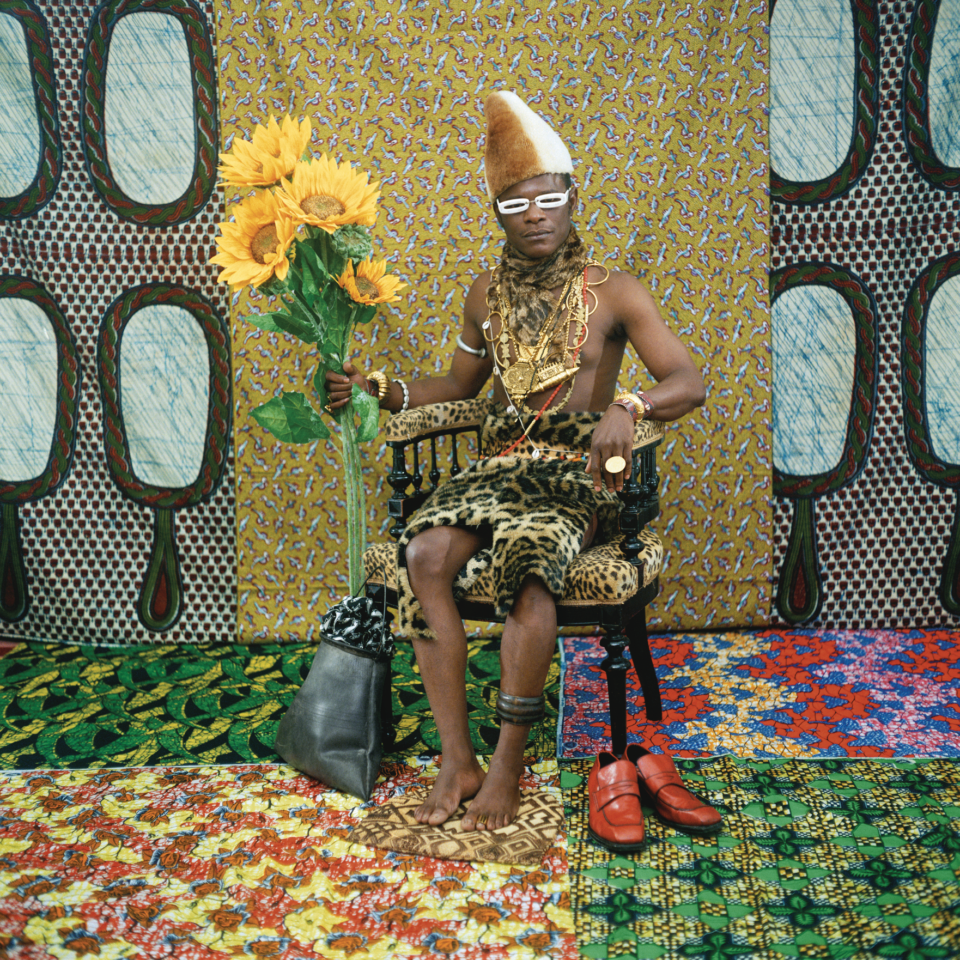
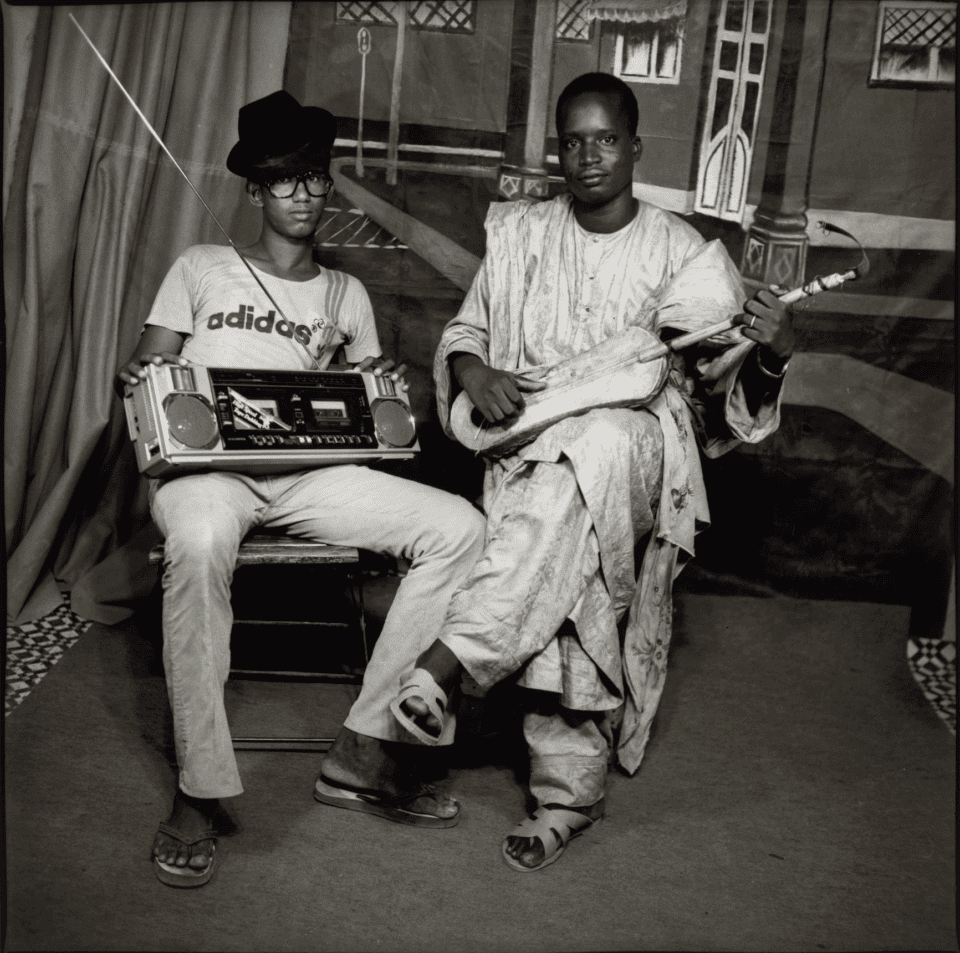
1&5. Samuel Fosso, Le Chef (celui qui a vendu l’Afrique aux colons), 1997 © Samuel Fosso. Courtesy Yossi Milo, New York.
2. Marilyn Nance, Nigeria FESTAC 77, 1977 © 2026 Marilyn Nance, Artists Rights Society (ARS), New York.
3. Simone Leigh, Dunham, 2017. The Art Institute of Chicago, purchased with funds provided by Marilyn and Larry Fields; Claire and Gordon Prussian Fund for Contemporary Art. © 2017 Simone Leigh. Photographer: Jonathan Mathias.
4. Sanlé Sory, Je Vais Décoller, 1977 © Sanlé Sory. Courtesy Yossi Milo, New York.
6. Sanlé Sory, Mali Djeli, 1984 © Sanlé Sory. Courtesy Yossi Milo, New York.