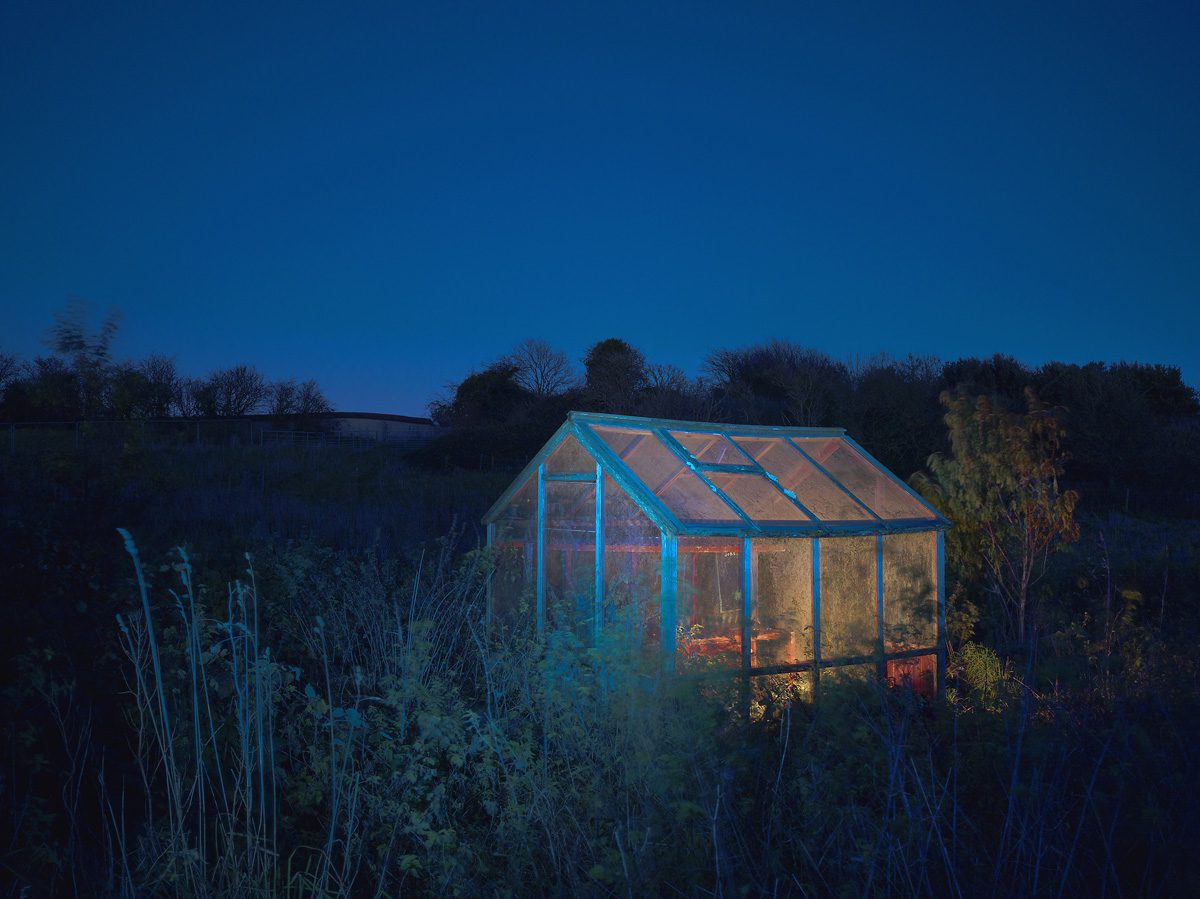
Landscapes lit by the glowing moonlight. Abandoned buildings glowing beneath neon signs. Mysterious greenhouses hidden within dense foliage. Today, we’re spotlighting five photographers from the Aesthetica Art Prize who evoke a haunting and tense atmosphere. Under cover of darkness, familiar scenes become something altogether new, where nothing is quite as it seems. These artists demonstrate how a narrative can be constructed in a single frame, and that storytelling doesn’t require words to convey meaning.
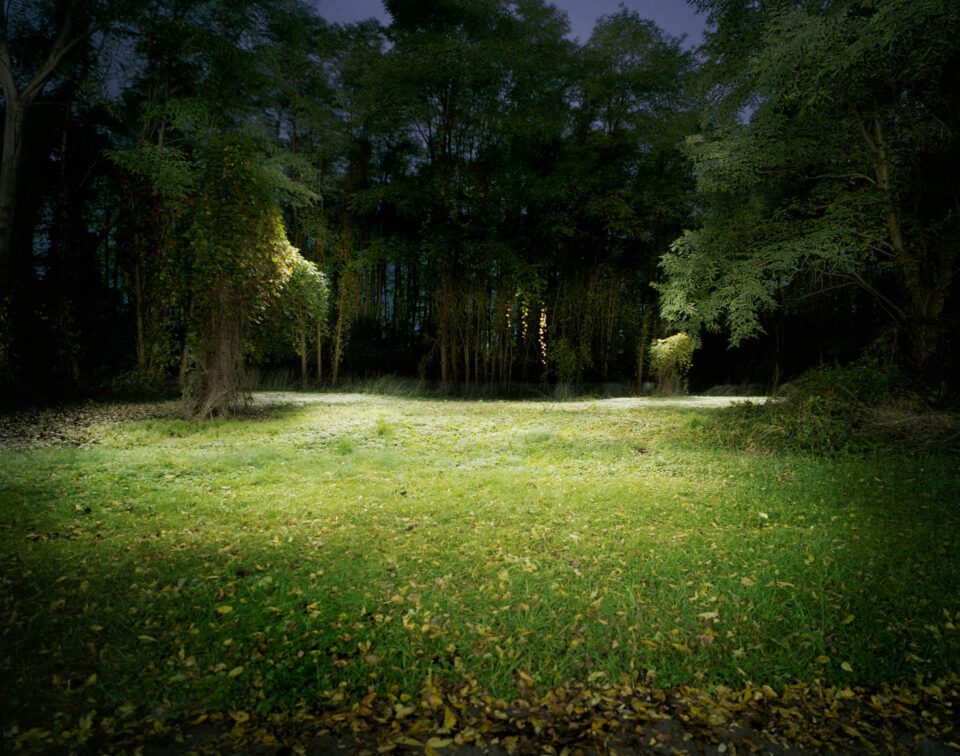
The surreal nocturnal landscapes in The Ecotone series explore the tension between human control and the wilderness. Jarrett Murphy uses exposures as long as two hours on analog film, and carefully controlled studio lighting to transform familiar landscapes. The results are otherworldly scenes, with vivid colours and sharp lighting that today might give the impression that they have been artificially generated or edited. This ongoing series examines nature as both shaped by and resistant to human intervention, reflecting Murphy’s evolving relationship with wilderness, artifice, beauty, and the unknown.
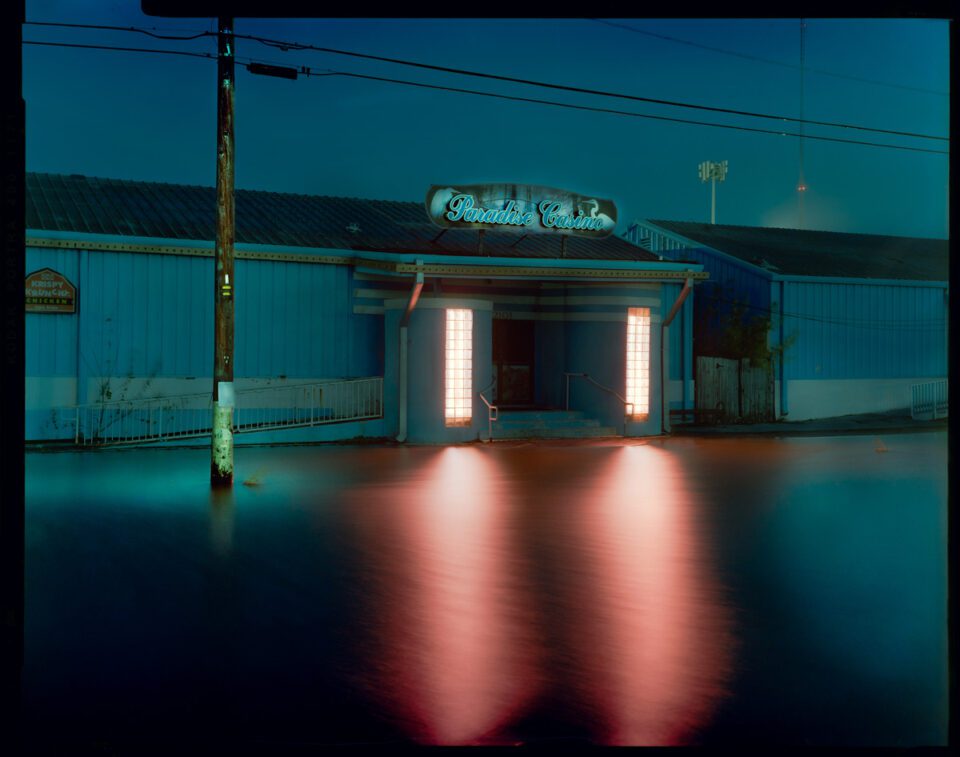
Bryan Locke combines oral history and large-format staged photography to interrogate the performance of self. The artist constructs narrative tableaux and landscapes informed by extended interviews and emotional arcs. His practice examines the intersection of memory and environment, exploring how identity is verbally articulated and visually interpreted within the bayous of Louisiana. Salted Hands spotlights people working with and against nature. The series focuses on commercial fishing communities and how traditional masculine identities are constructed in environments shaped by risk and manual labour.
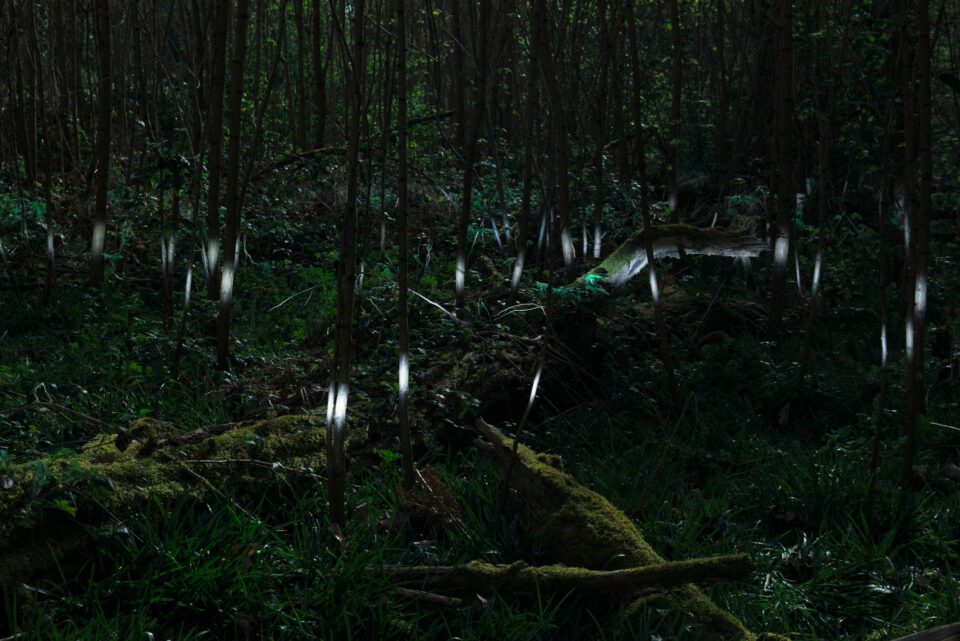
The Marche Céleste series was a response to Alexis Pichot’s life whilst he was living in dense urban environment of Paris. The artist spent more than a year visiting the forest of Fontainebleau, 60 kilometres south of the city, at night. He journeyed alone, looking to experience the physical and spiritual regeneration for which the landscape is known. These photographs are a conversation with nature, combining the organic environment with artificial lighting to create unexpected scenes. In some images, the moon appears to have fallen; in others, rocks look like meteors from another world.
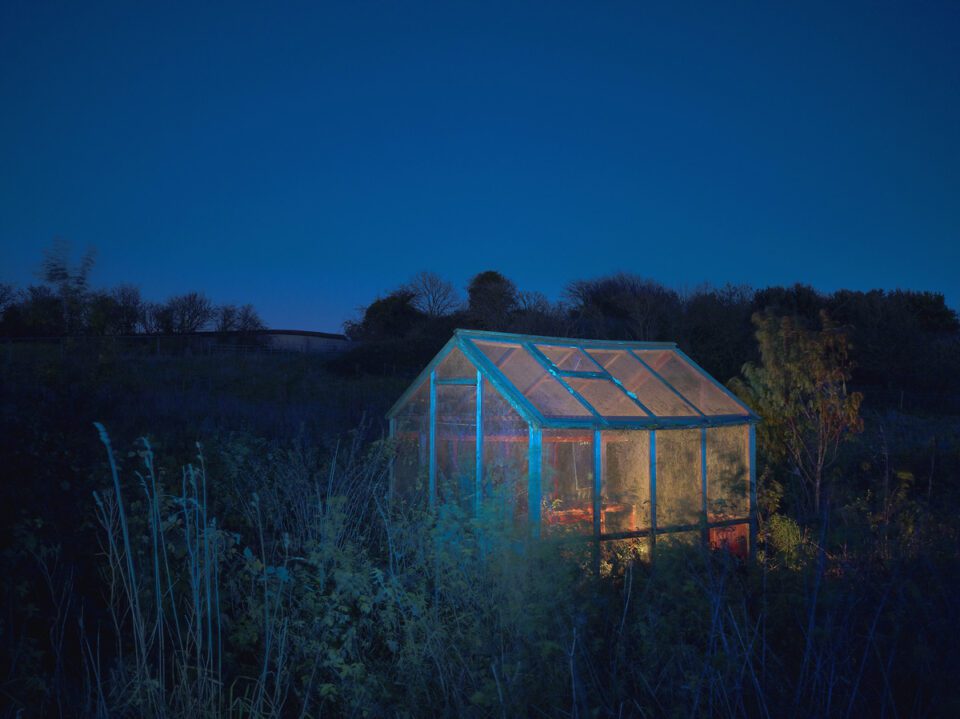
Judith Jones’s work explores themes of love, loss, and the fragility of life in an increasingly precarious and unpredictable world. The artist captures flowers at the precise moment they begin to wilt, drawing attention to the fleeting nature of beauty and subtly hinting at their inevitable decline. At the same time, the images celebrate the richness and vitality that remain in the present moment. Through these delicate studies of transformation, Jones reflects on experiences of grief, remembrance, and human connection, suggesting the invisible bonds of care and community that link people together through joy and loss.
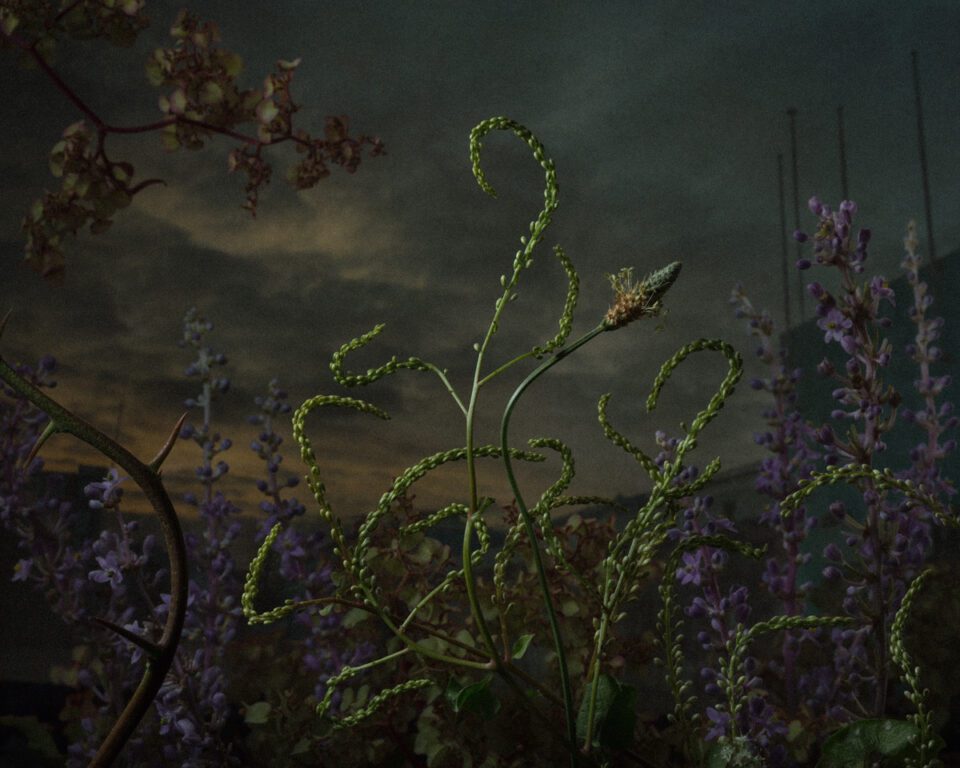
Daniel Shipp is an Australian artist whose studio-constructed photographs are made in-camera using physical sets, plants, found materials and analogue visual effects. His practice explores how light, optics and photographic construction can shape perception, producing images that blur the boundary between physical fact and constructed illusion. In Extent of Eastern Ripple, Shipp imagines a world where algorithmic systems affect biology, using foraged and grafted plants, analogue staging and manipulated light to create images that sit between beauty and unease, the organic and the artificial.
These artists will feature in States of Becoming, the Aesthetica Art Prize 2026 Exhibition at York Art Gallery from 17 July – 15 November. Find out more: yorkartgallery.org.uk
Words: Emma Jacob
Image Credits:
1&5. Judith Jones, The Sense of an Ending (2024).
2. Jarrett Murphy, The Ecotone (2006-Ongoing).
3. Bryan Locke, Salted Hands (2025).
4. Alexis Pichot, Marche Céleste (2017).
6. Daniel Shipp, Extent of Eastern Ripple (2024).