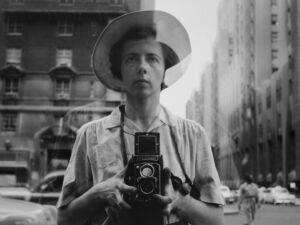
Vivian Maier was born in New York on 1 February 1926. The street photographer spent the majority of her life between France and the USA, working as a nanny for several Chicago families. It was only after her death in 2009 that her 150,000 image archive was discovered. In the same year as Maier was born, across the city, Allen Ginsberg arrived on 3 June. His was a life of fame and notoriety, producing poetry, photography and activism that was foundational in the Beat Movement. His radical literary works left an indelible mark on American counterculture, with his renowned poem Howl becoming the subject of an obscenity trial in 1957. As far as artistic figures go, these two could perhaps not be further apart. Yet, their work appears side-by-side in a new exhibition at Howard Greenberg Gallery. Notes from the Margins marks the centennial of the two singular creatives, whose work emerged from the cultural periphery and came to have a lasting impact on the visual and literary imagination of the 20th century.
The exhibition brings together Ginsberg’s poetic and artistic sensibility with Maier’s extraordinary street photography, exploring how each transformed everyday experience into a powerful record of memory, observation and human presence. The legacies of Ginsberg and Maier endure. Neither artist fit comfortably within institutional frameworks during much of their lives, yet both produced work that continues to challenge ideas of visibility, authorship and belonging today. Now, audiences can step into their respective worlds. Notes from the Margins features 80 modern and vintage prints, along with Maier’s experimental films and footage of Ginsberg reciting his poem Howl.
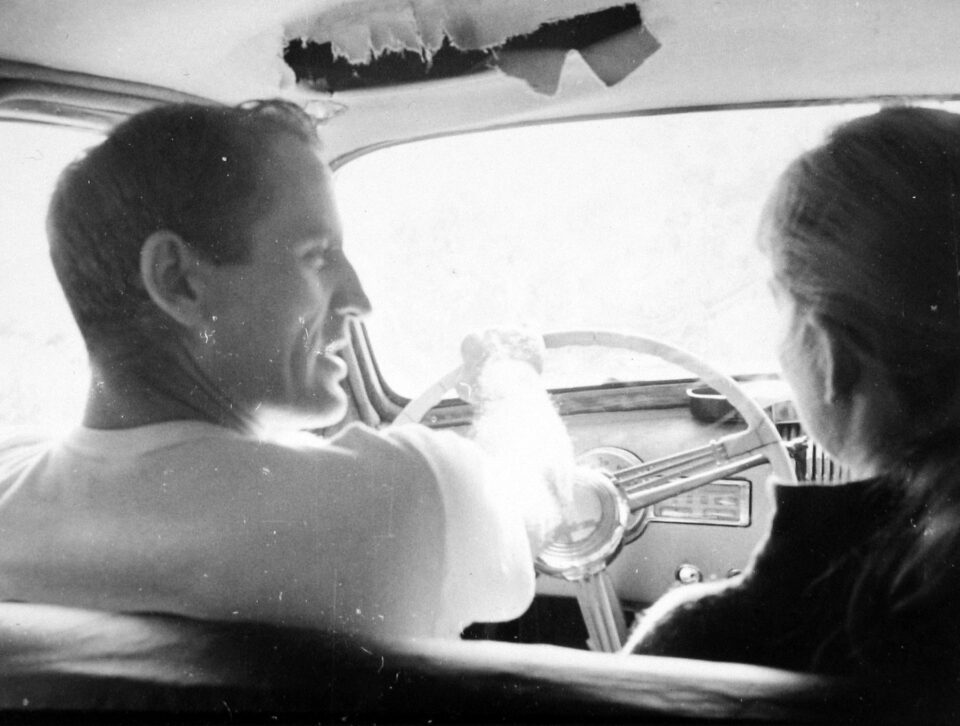
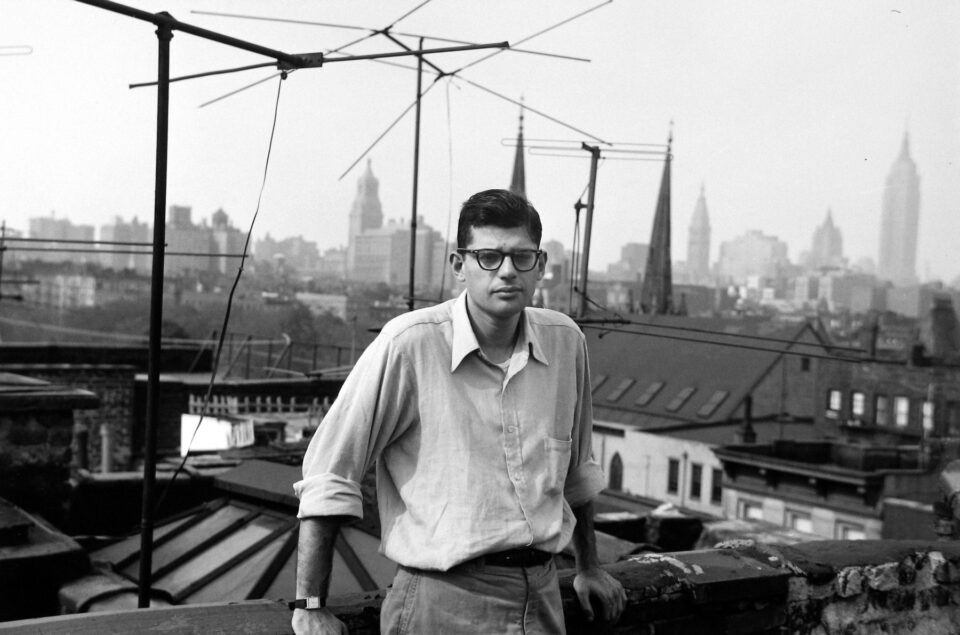
Ginsberg is best-known as part of the literary canon, but from the early 1950s to 1964, he regularly used an inexpensive camera to take snapshots of his now-famous friends, including the writers Jack Kerouac, William S. Burroughs, Gregory Corso and Neal Cassady. Almost all are affectionate, straightforward portraits. Many have a subtly playful spirit, and some carry Ginsberg’s annotations handwritten on print. Soon after making these pictures, the artist lost his camera, and it would be another 20 years before he would return to photography. The images on display at Howard Greenberg are a perfect compliment to his writing, building out his world and companions into vivid, three-dimensional characters, taking them beyond their literary creations and into the real society they inhabited.
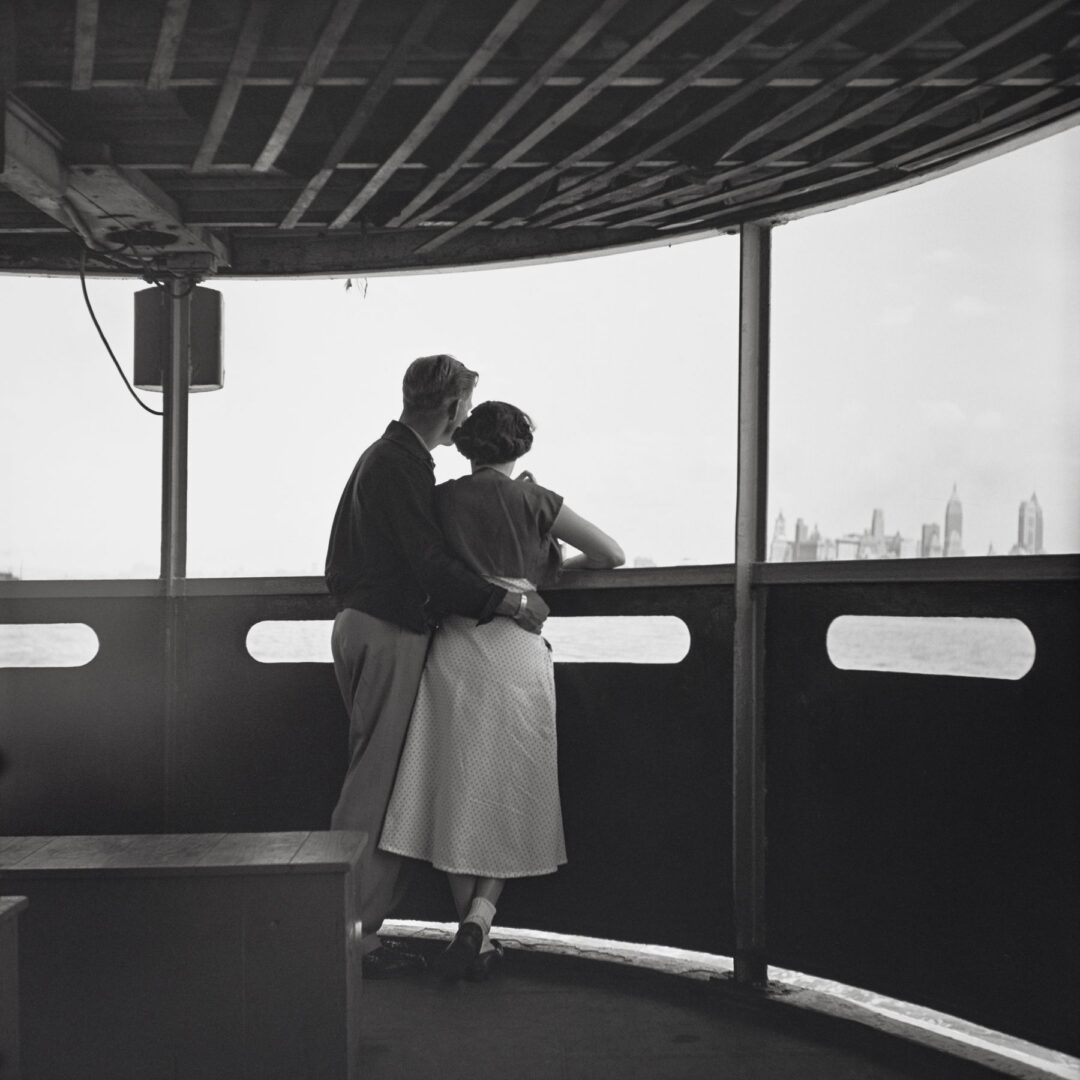
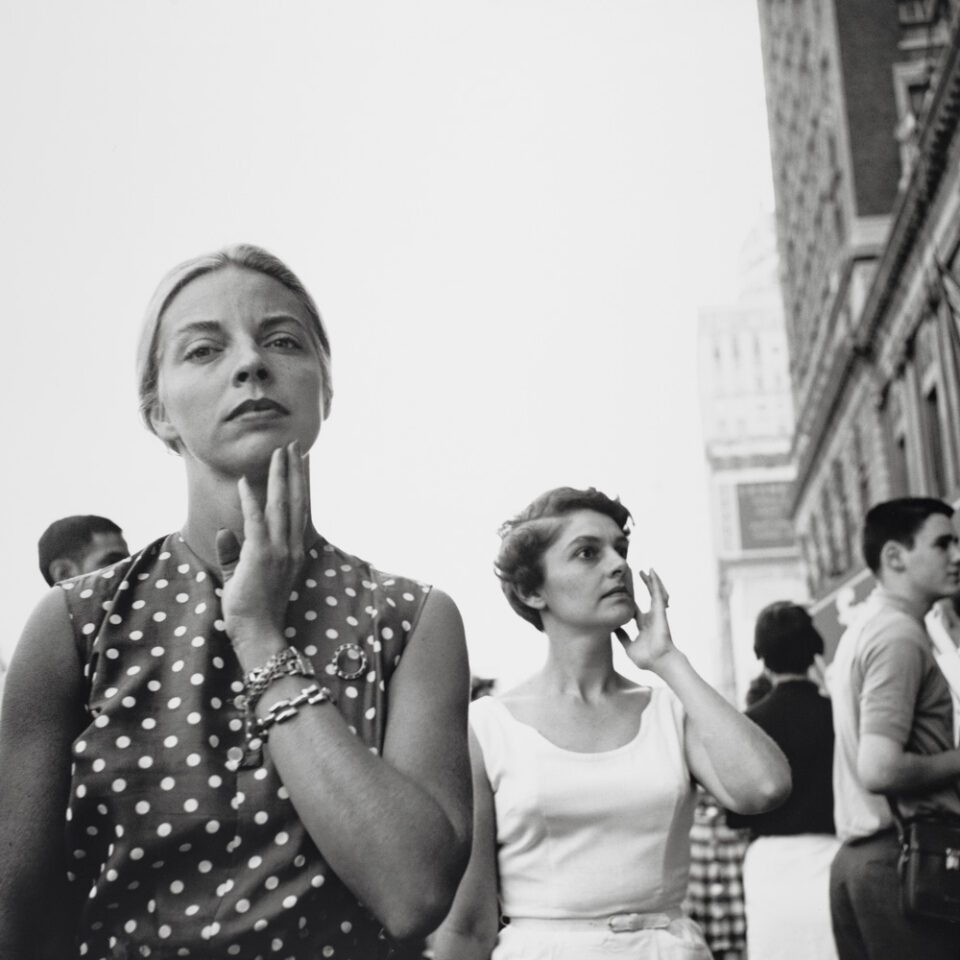
Maier, meanwhile, was an American street photographer whose massive, unseen body of work came to light when it was purchased from an auction in 2007. She consistently took photographs over the course of five decades, ultimately leaving behind 100,000 negatives. Her photographs have compelled viewers around the world since being brought into the public eye, but there is much that remains unknown about the enigmatic woman behind the lens. On the surface, there is little that ties her to Ginsberg, but both figures capture the energy of a changing country in a period of intense political, social and cultural upheaval. City streets, public transport and shop windows reveal the rhythms of a daily life that has now been relegated to the pages of history.
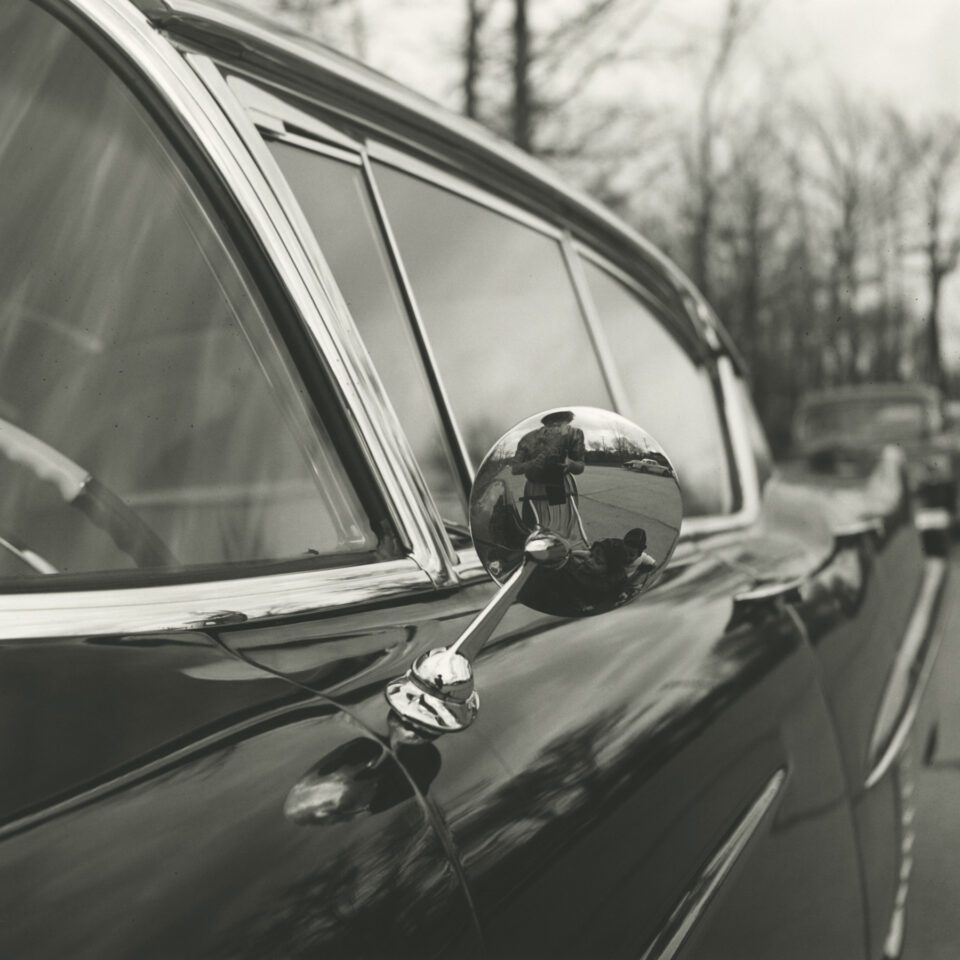
Both artists used the camera – and, in Ginsberg’s case, language as well – to record fleeting moments, overlooked people and the textures of modern city life. By placing these works in conversation, the exhibition highlights themes of observation, self-fashioning, solitude, marginality and the enduring power of artists who worked beyond conventional expectations of fame, audience and recognition. It considers the margins as a generative space, where alternative histories, identities and visual language take shape. The margins functions as a site of invention, becoming vital cultural touchstones for generations to come.
Notes from the Margins: Allen Ginsberg and Vivian Maier is at Howard Greenberg Gallery, New York until 12 September: howardgreenberg.com
Words: Emma Jacob
Image Credits:
1. Vivian Maier, New York, 1953. Gelatin silver print; printed later. Image size: 12 x 12 in.; Paper size: 20 x 16 in. From an edition of 15 © Vivian Maier/Maloof Collection, Courtesy Howard Greenberg Gallery, New York
2. Vivian Maier, Chicago, IL, 1960. Gelatin silver print; printed later. Image size: 12 x 12 in., Paper size: 20 x 16 in. From an edition of 15 © Vivian Maier/Maloof Collection, Courtesy Howard Greenberg Gallery, New York.
3. Vivian Maier, Self-portrait, Chicago area, April 24, 1957. Gelatin silver print; printed later. Image size: 12 x 12 in.; Paper size: 20 x 16 in. From an edition of 15 © Vivian Maier/Maloof Collection, Courtesy Howard Greenberg Gallery, New York.
4. Allen Ginsberg, Neal Cassady, c.1955. Gelatin silver print; printed c.1955, 3 1/4 X 4 5/8 in. © Allen Ginsberg Trust, Courtesy of Howard Greenberg Gallery, New York.
5. Allen Ginsberg, Portrait of Allen Ginsberg, 1953. Gelatin silver print; printed later, 11 x 14 in. © Allen Ginsberg Trust, Courtesy of Howard Greenberg Gallery, New York.