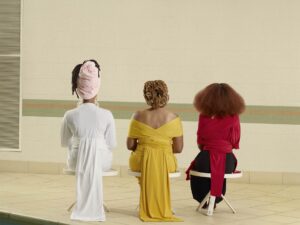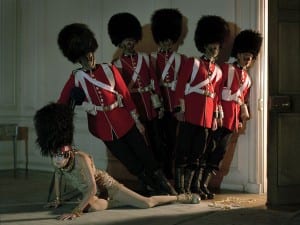
In December 2025, the University of East Anglia published new research explaining how our brains store and change memories. The work examined the ways we think of past events and how these memories can change over time. According to Professor Louis Renoult “The memory we recall might not be a perfect copy. It can include extra details from our general knowledge, past experiences, or even the situation we’re in when we remember it.” In other words, our memories are what make us who we are, but we also make them. How we view the world is shaped by our experiences and unconscious understanding of our surroundings. These ideas are the concern of London-based artist Xinyue Tao, who questions how our perceptions of time and space change depending on our identity.
Tao’s practice is shaped by intuition, rooted in photography whilst extending into performance, installation and experimental forms. She engages deeply with darkroom printing and alternative photographic processes, integrating light-sensitive materials and slow, embodied methods into her image-making. The artist also embraces collaboration as a working method, co-creating interdisciplinary pieces and initiating community-based workshops that foster dialogue, shared experience and connections. Tao graduated from the Royal College of Art in 2024, and her work has been displayed in London, Hangzhou and Somerset.
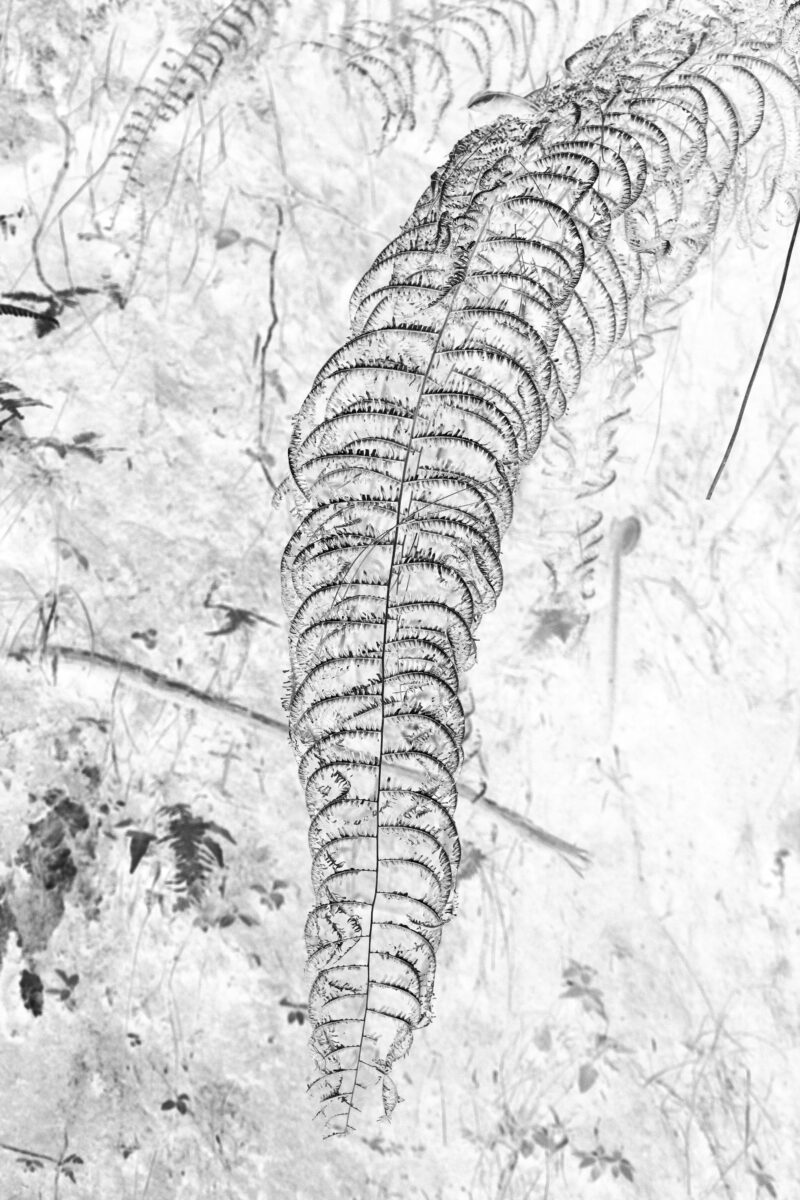
The series Unfold (2025-ongoing) is a fascinating look at human memory. Tao reworks black-and-white photographs through physical interventions like layering, scratching and embedding materials, to represent the human influence over memory. By interacting with these surfaces, the artist explores the relationship between materiality and flatness, photography and memory, allowing the past to be reopened, altered and reimagined. Tao continues this enquiry in Unfold-137, a series that begins with a familiar number encountered far from home. It’s a poignant and moving series, which draws from a distinctly personal experience to speak to something universal: the search for belonging and home. In London, she photographed the 137 bus, the same bus number that carried the artist home every day after school as a child. She explains: “Encountering it again in a different country and chapter of life opened a quiet fold in memory, where past and present briefly touched.” Tao, once again, used physical interventions to reflect often invisible traces of the past. Glass marbles were placed over parts of the image, acting a as a gentle interruption to the frame and partially obscuring the photographs, mirroring “the way memories return – softened, incomplete, layered.”
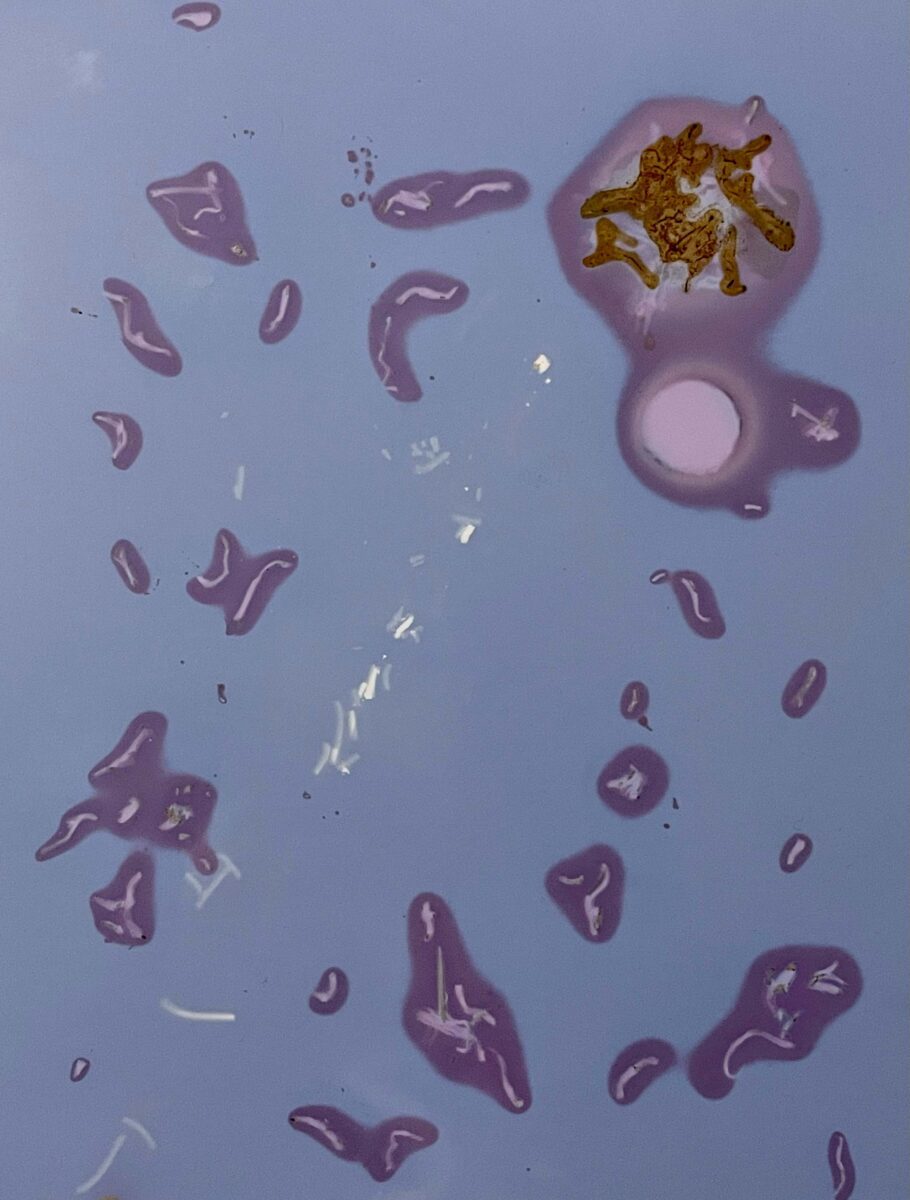
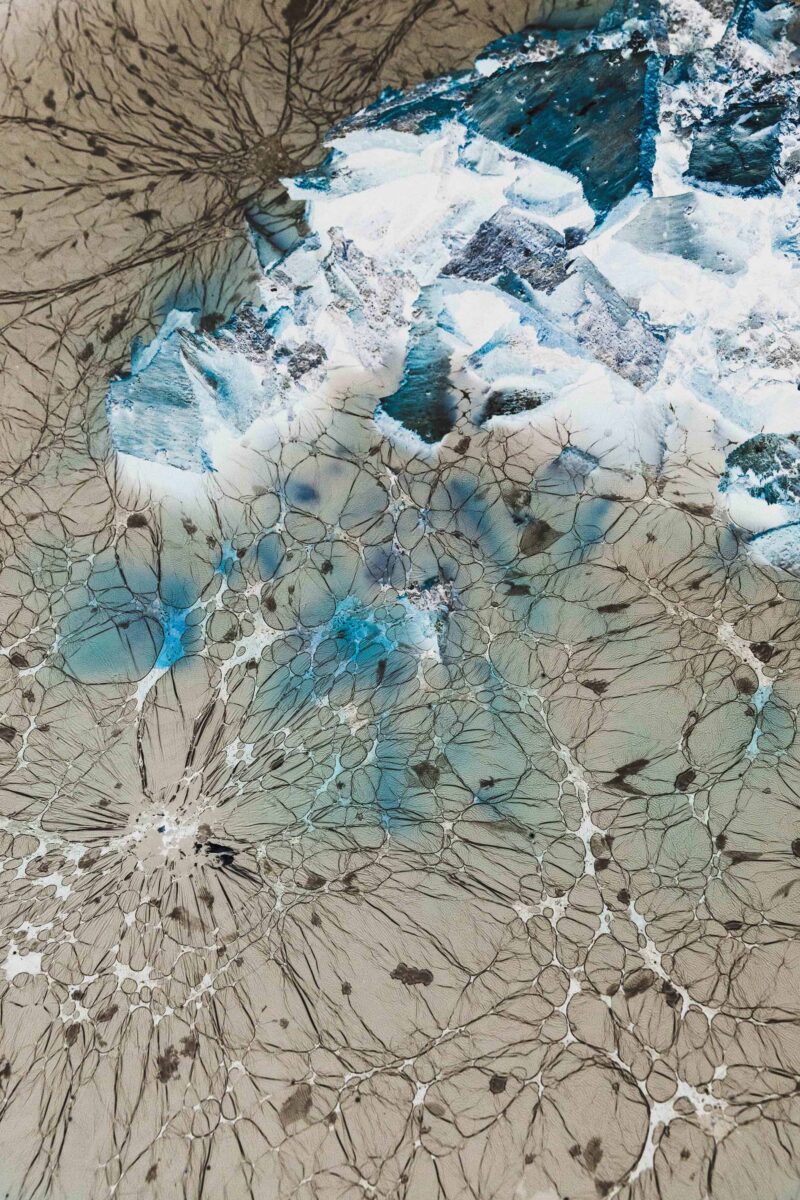
Meanwhile, other pieces take her practice in a different direction, deconstructing how we understand time. Ephemeral Remains (2025-ongoing) uses food waste the artist saved from her own daily meals. Tao allowed these discarded fragments to react with light-sensitive paper, asking what if often overlooked – what’s thrown away – becomes a record of everyday consumption? Through time, these tangible scraps transform into abstract images. The unfixed lumen prints continue to change with exposure, echoing the instability of memory and the passing of time. Plus, The Eternal Presence (2024) is a handwoven textile piece, created during a site-specific residency in a Dong minority village – traditional, predominantly wooden settlements in the mountainous regions of Southwest China. The artist used traditional handloom weaving, ikat dyeing and natural dye processes. Unlike the immediacy of photographic techniques, weaving is a durational, embodied act and Tao makes an excellent example of how ancestral expertise and craftsmanship can be brought into the modern age. Here, time takes on a different meaning, inviting audiences to slow down and consider how intergenerational experiences shape how we see the world.
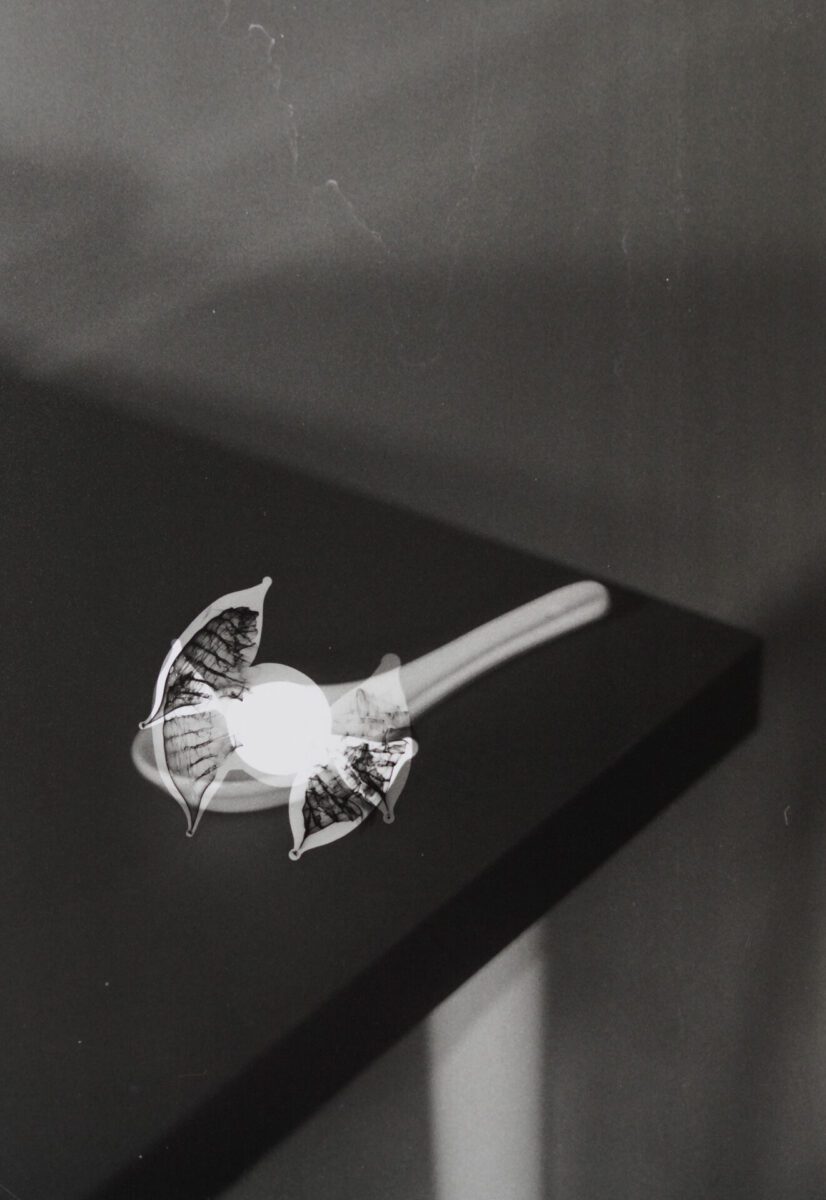
Tao reveals our own biases, physically manifesting how the past is continually reshaped through material, experience and time. In her wide-spanning practice, memory is a negotiation between identity, unconscious and world experience, rather than a fixed phenomenon.
Words: Emma Jacob
Image Credits:
All images courtesy of Xinyue Tao.