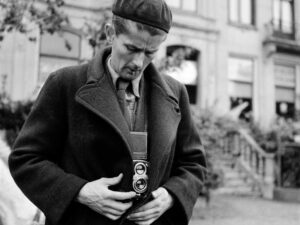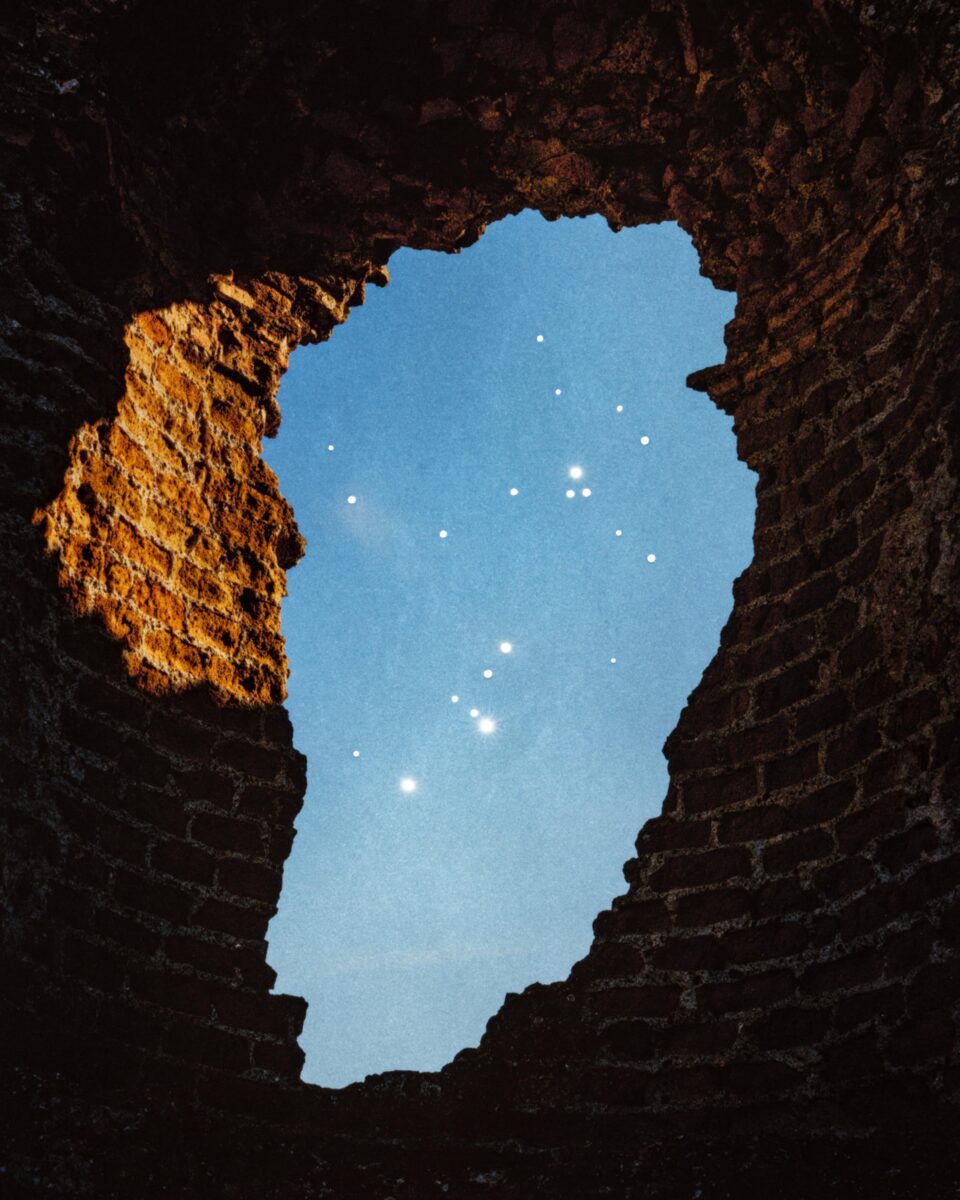
Photography today exists within a state of perpetual transformation. Images circulate endlessly across digital networks, consumed at unprecedented speed and scale, whilst questions surrounding truth, authorship and representation grow increasingly unstable. The medium has moved far beyond its documentary foundations, becoming a space where artists interrogate memory, politics, technology and identity simultaneously. Contemporary photographers are no longer simply recording the world around them; they are constructing new visual languages through which uncertainty, displacement and emotional complexity can be understood. Across museums, galleries and biennials, the image has become a site of negotiation between private experience and collective history. Foam Talent 2026 arrives as a powerful reflection on the future direction of photography and the institutions shaping its trajectory.
For nearly two decades, Foam has occupied a singular position within the international photographic ecosystem. Founded in Amsterdam in 2001, the institution has consistently identified emerging image-makers before wider institutional consensus forms around their work. The Foam Talent programme, launched in 2007, has become one of the most influential international open calls for early-career photographers. Rather than rewarding established careers or finished bodies of work, it supports practices in formation, offering visibility, publication and institutional support at a formative stage. Through exhibitions, Foam Magazine, mentorship initiatives and international partnerships, the organisation has built a framework in which experimentation is not peripheral but central. In an era defined by accelerated image consumption, this sustained commitment to long-term artistic development remains significant.

The impact of Foam Talent on the global photographic landscape is widely acknowledged. Previous participants, including Sara Cwynar, Carmen Winant, Jack Davison, Myriam Boulos and Vasantha Yogananthan, have gone on to exhibit internationally and develop major institutional careers. Their trajectories demonstrate Foam’s ability to identify emerging visual languages at an early stage, particularly practices that expand photography beyond the single image into installation, publishing, moving image and conceptual systems. Rather than functioning as a prize in the traditional sense, Foam Talent operates as a networked platform through which new photographic thinking is tested, circulated and refined.
Foam Talent 2026 continues this trajectory through the work of thirty artists selected from nearly 3,000 submissions across 107 countries. The programme is divided into two categories: fifteen Foam Talents and 15 Foam Talent Runners-up. Together, these artists represent a generation negotiating global instability through diverse photographic approaches ranging from documentary practice to staged construction, archival strategies and digitally mediated image-making. The selected Foam Talents include Sean Cham, Yiding Chen, Sara De Brito Faustino, Liubov Durakova, Nad E Ali, Nazanin Hafez, Paola Jimenez, Ramona Jingru Wang, Daniel Mebarek, Ali Monis Naqvi, Alvin Ng, Adam Rouhana, Ammar Yassir, Farren van Wyk and Sasha Velichko. Across their work, a recurring concern emerges: the question of belonging. Here, belonging is not fixed or inherited, but continuously produced through memory, migration, familial structures and shifting cultural contexts. The exhibition suggests that “home” functions less as a stable location than as an evolving emotional and psychological condition.
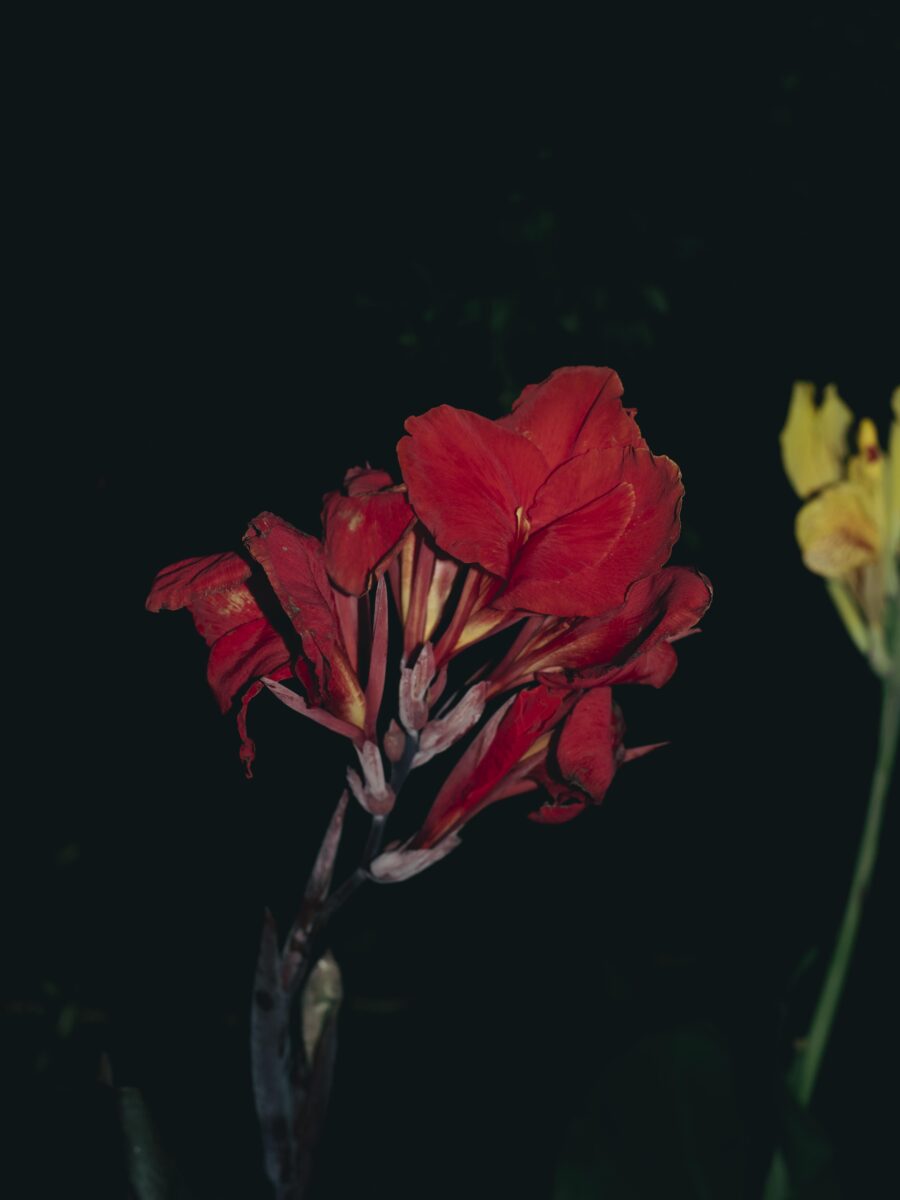
Several artists engage directly with questions of displacement, identity and political visibility. Adam Rouhana’s work, for example, resists reductive visual narratives of Palestine by foregrounding everyday life, intimacy and personal experience. His images shift attention away from spectacle and towards the lived textures of domestic space and social connection. Similarly, Ali Monis Naqvi constructs layered narratives that move between documentary observation and symbolic reconstruction, addressing themes of migration, inherited trauma and fragmented memory. These practices reflect a broader tendency within the exhibition to treat political realities not as abstract subjects but as lived, embodied conditions. Other works turn inward toward psychological states, grief and spirituality. Nazanin Hafez explores religion and ritual as lived, embodied experience, using repetition, gesture and spatial ambiguity to evoke states of reflection and uncertainty. Sara De Brito Faustino examines emotional fragility through fragmented domestic environments where absence becomes structurally present within the image. Across both practices, photography becomes less a tool of description than a medium for emotional excavation.
Technological mediation and constructed perception also play a significant role in the exhibition. Ramona Jingru Wang produces images that oscillate between physical space and digital simulation, reflecting the instability of contemporary visual experience. Alvin Ng similarly interrogates the infrastructures of visibility, drawing attention to surveillance systems and the unseen architectures of digital life. Rather than presenting technology as neutral or progressive, both artists emphasise its contradictions: connection and isolation, visibility and disappearance. What distinguishes Foam Talent 2026 is its refusal to separate political, technological and emotional conditions. Ammar Yassir and Sasha Velichko, for example, approach conflict and displacement through intimate visual languages grounded in lived experience, memory and bodily presence. Farren van Wyk explores questions of representation and identity through portraiture that negotiates vulnerability and assertion. Photography functions as a form of reclamation—of narrative, visibility and subjective complexity—resisting fixed interpretations in favour of ambiguity and multiplicity.
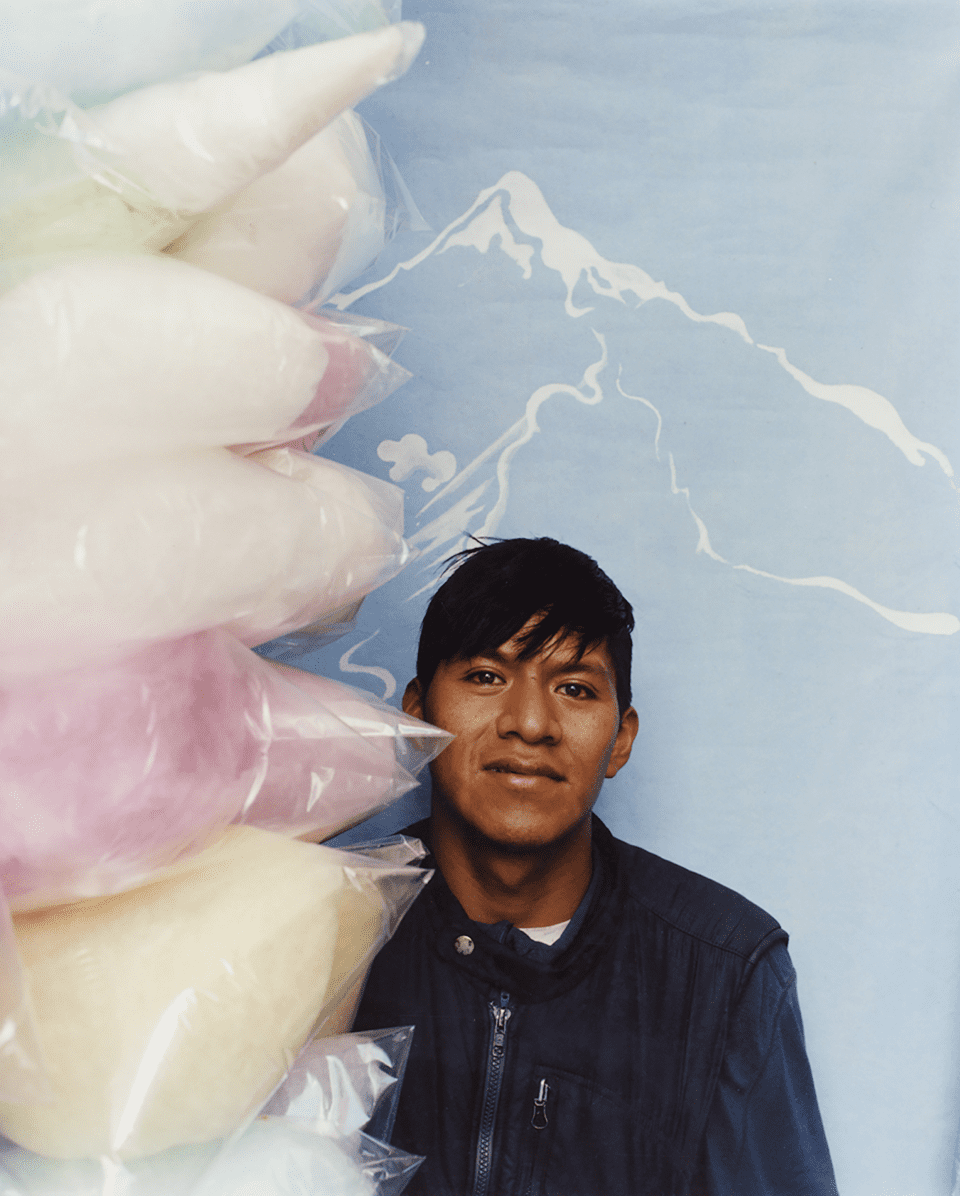
The introduction of the Foam Talent Runners-up category reflects an expanded understanding of artistic support. Alongside the fifteen selected Talents, an additional fifteen artists receive editorial visibility through Foam Magazine and digital platforms, extending the programme beyond the exhibition space. The initiative is embedded within a wider infrastructure of mentoring, professional exchange and institutional collaboration, including presentations at Foam in Amsterdam and partner institutions such as the Deutsche Börse Photography Foundation in Frankfurt. Together, these structures reinforce Foam’s role not only as an exhibitor, but as a long-term support system for emerging photographic practice.
Foam Magazine remains central to this ecosystem, functioning as both archive and critical platform. Its Talent Issue documents emerging photographic discourse at a specific cultural moment, translating exhibition-based practices into a wider critical field. In doing so, it extends the reach of Foam Talent beyond the gallery, positioning it within an ongoing conversation about the future of photography.
Foam Talent 2026 opens on 5 June at Foam, Amsterdam: foam.org
Words: Simon Cartwright
Image Credits:
1. The Doom of Chiron, 2022 © Alvin Ng.
2. My Friends are Cyborgs, but That’s Okay © Ramona Jingru Wang.
3. © Ali Monis Naqvi.
4. Untitled, 2025 © Daniel Mebarek.