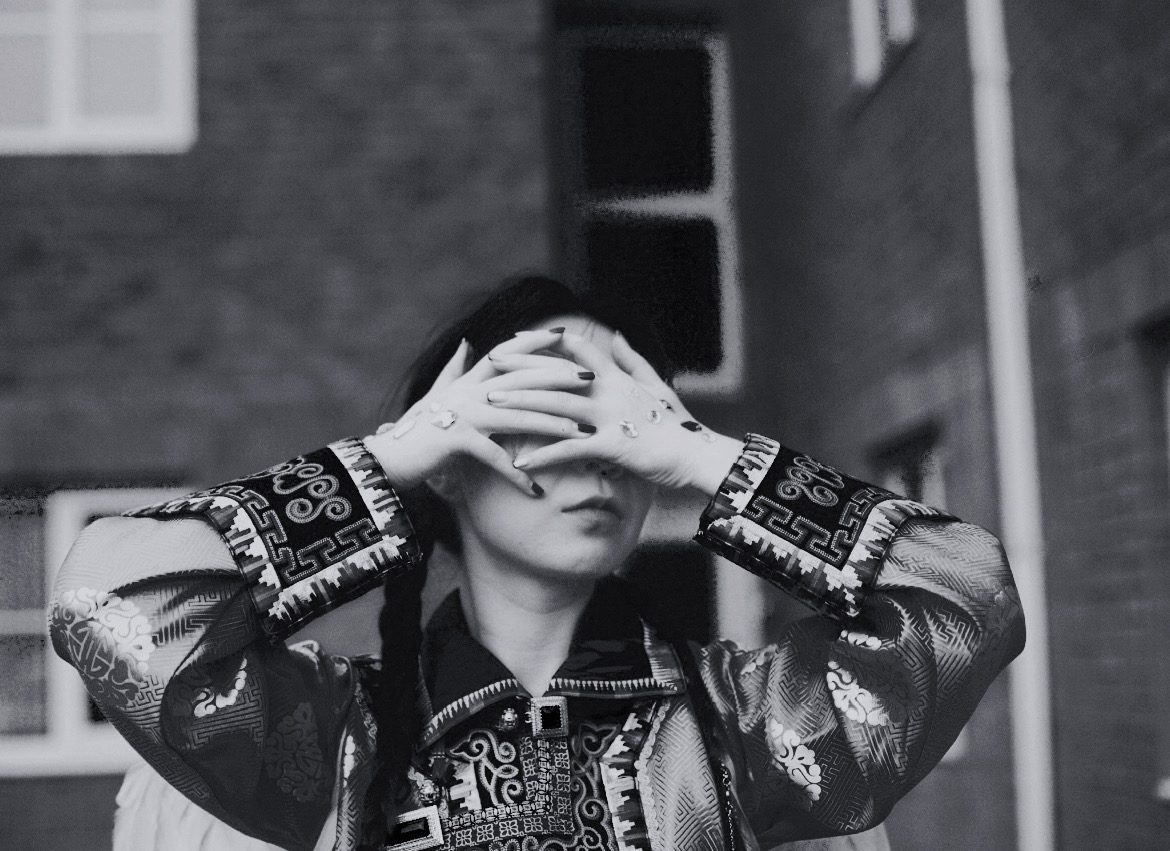
Harvard Medical School describes scents as “like a key being inserted into a lock” when it comes to our memory. Smells can trigger an emotional response, a vivid recollection or a specific feeling. Consider getting a whiff of a long-forgotten perfume, or a food once cooked by a beloved grandparent. This concept has long been explored by creatives, with olfactory art utilising scent as a way to evoke memories, challenge societal norms and create immersive spaces. Major figures in this space include Anicka Yi, Mike Kelley and Peter de Cupere. Now, artist Keni Li explores this topic in her latest series, Fluid Memory: Wings (2025-2026), which explores how memory can be reconstructed through images, scent and objects.
Li worked with subject’s personal photographs and stories, creating visual interpretations of their memories alongside bespoke perfumes that evoke the sensory atmosphere of each scene. The project moves between photography, material objects and embodied experience, reflecting on how memory is fragmented, intimate and constantly reimagined. The artist explains: “Visually, the work combines staged imagery, archival references and domestic spaces to create a poetic, non-linear narrative memory. Influenced by literary and spatial approaches to storytelling, the project treats the image as a site where personal histories are reconfigured and shared.” The impressive series will be presented in a forthcoming solo exhibition at SaltSpace Gallery in Glasgow, accompanied by a print photobook.
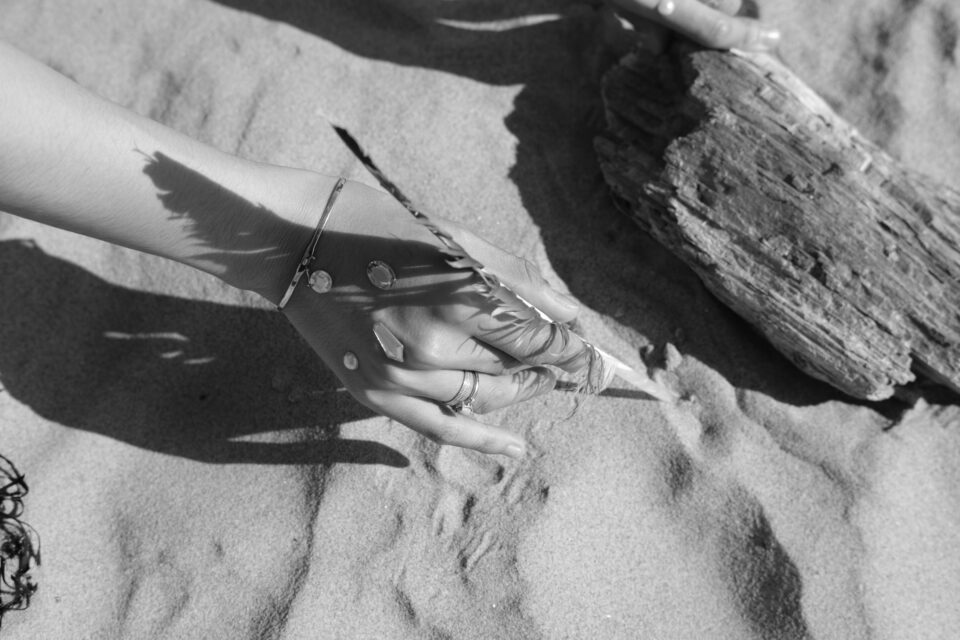
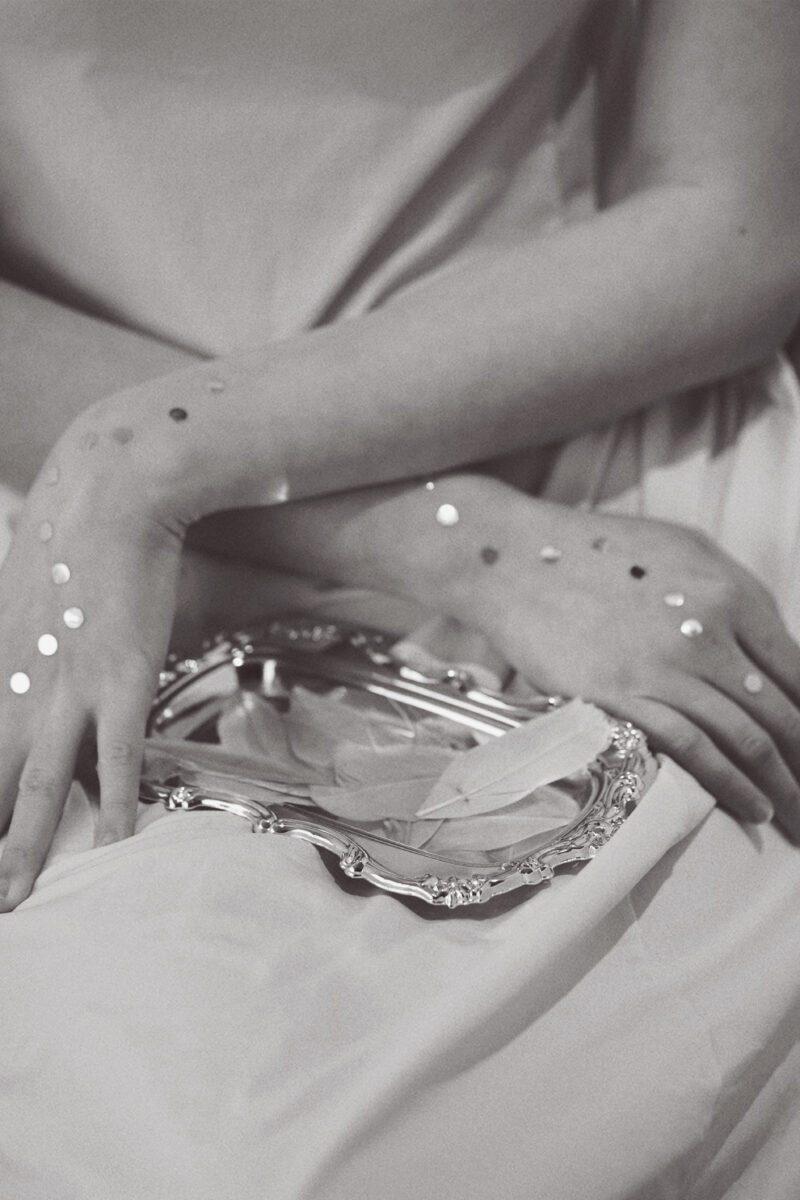
Nostalgia Psyche (2026), meanwhile, traces the relationship between memory and the tactile. She explains: “It began with a selfie taken last winter: a self-portrait in the mirror, where blue dreams dissolve into butterfly wings. A friend remarked that it evoked Psyche, the Roman goddess of the soul and of desire. Yet to me, it feels closer to my soul’s own understanding of memory’s texture, a butterfly suffused with the hazy, reflective glow of ceramic.” Photographs are adorned with silver stickers, fragments of metal and ceramic, toy gems, allowing familiar feelings and sensations to turn touch into a mode of seeing. Li continues: “Tangibility becomes a language of recollection.” The fascinating series was displayed as part of a solo exhibition at the photobook café in London, allowing visitors to experience the pieces up close.
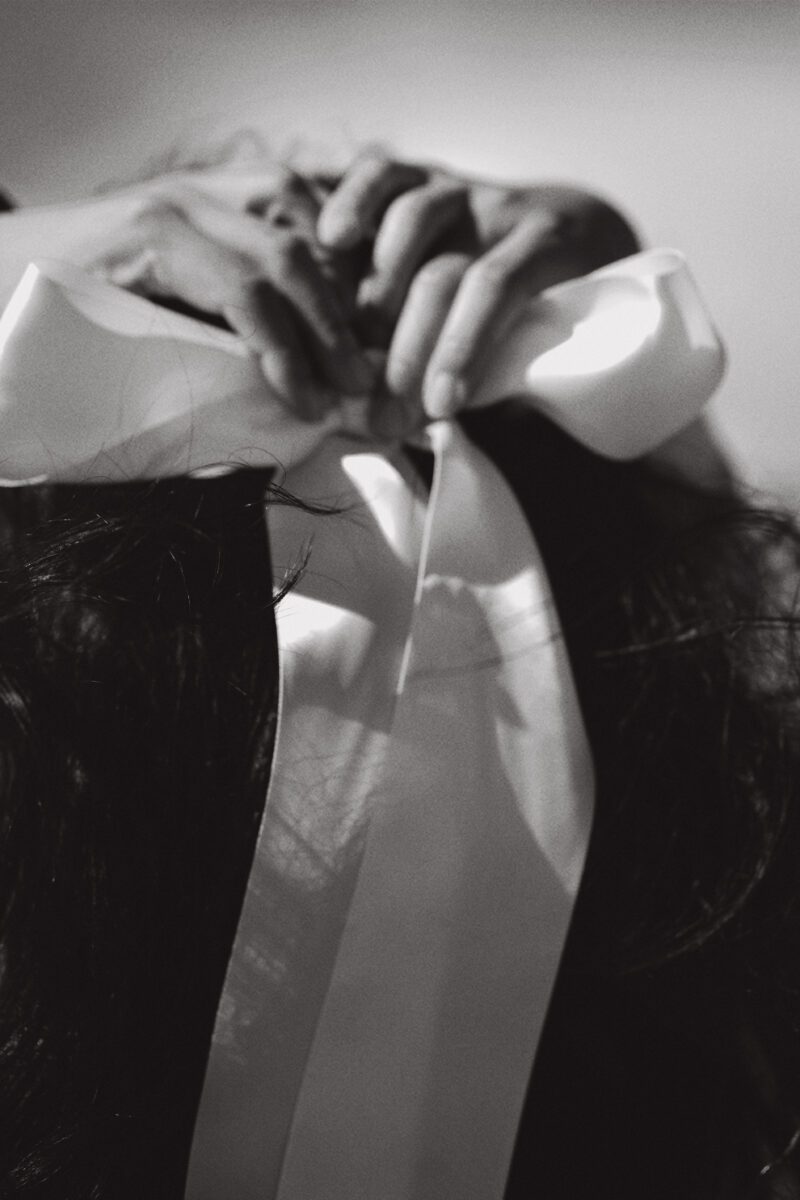
Li takes one of the biggest topics society explores – how we remember – and takes it in a fascinating direction. In using scent to capture memory, the artist reveals something vital about the human condition. Her work suggests that memory is never fixed, it is sensory, unstable and continually rewritten through the stories we tell ourselves and each other. In combining photography, scent and personal narrative, Fluid Memory: Wings transforms the invisible into something tangible, expanding storytelling into new realms.
Words: Emma Jacob
Image Credits:
All images courtesy of Keni Li.