We are living in uncertain times. The past 12 months have offered unprecedented political, societal and environmental shifts. Wildfires raged across Europe and America, destroying countless homes and habitats, leaving thousands displaced. The war in Ukraine entered its fourth year, whilst the United States conducted military strikes again Iran. A new Pope was appointed – the first to hail from America. The Artemis II mission saw humans travel further from Earth than ever before. Photojournalists have been there from every key moment, bringing hidden stories to light and documenting history as it happens – from warzones, revolutions and protests to quiet hospital wards and families around the breakfast table. The World Press Photo connects the world to the stories that matter, presenting the outstanding work of documentary photographers from across the globe. The 2026 contest winners are the best of the 57,367 images entered by 3,747 photographers from 141 countries. Here, there are familiar narratives and unspoken ones; broad perspectives and intimate insider views; conflict and crisis, but also resistance, resilience and hidden tradition. Today, we spotlight five images from the 2026 winners.
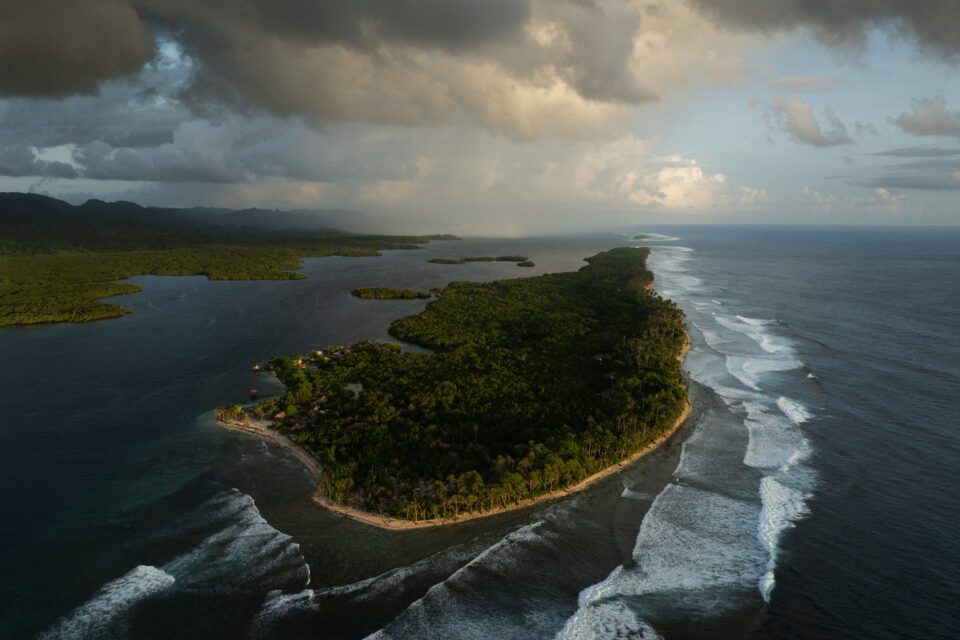
The Last Dolphin Hunters
Matthew Abbott | South Malaita, Solomon Islands
Fanalei Island has been reduced to a narrow strip of sand and coral by rising seas. Residents believe the settlement, once home to dozens of families, will become uninhabitable in the hear future. The low-lying island in the Solomon Island stands at a crossroads between contested tradition and a changing economy. For generations, dolphin hunting provided food and income, with dolphin teeth used as ritual current for bride-price and other forms of local exchange. Today, as rising sea levels displace the community and threaten its future, seaweed farming is providing an economic alternative to the seasonal hunt. As farming expands, fewer people are available for the collective efforts upon which dolphin hunting depends.
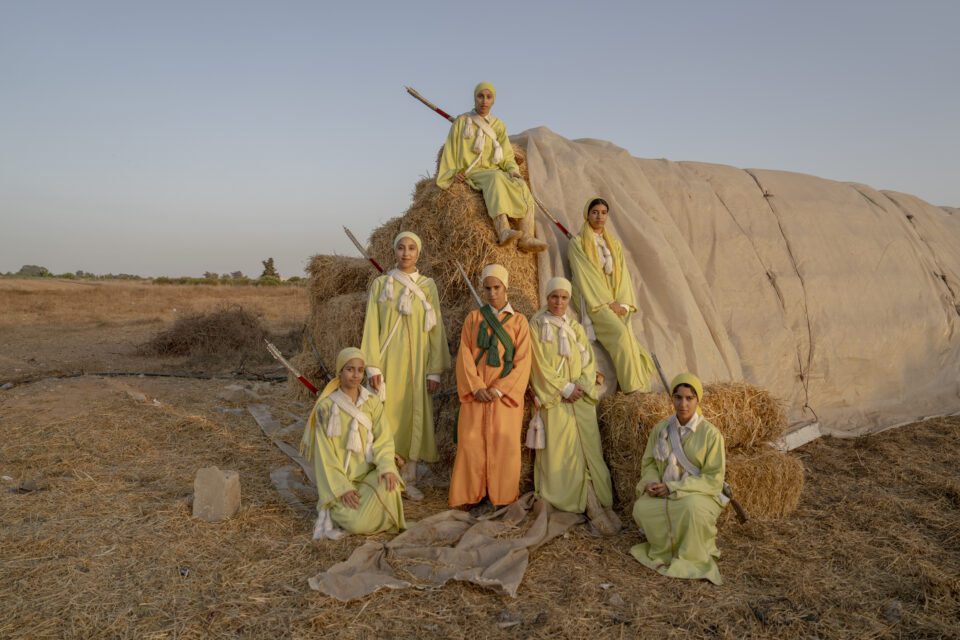
Farīsāt: Gunpowder’s Daughters
Chantal Pinzi | Rabat, Morocco
Tbourisa is a UNESCO-recognised Moroccan equestrian tradition dating back to the 16th century. Troupe gallop in unison, firing rifles in choreographed performance of cavalry warfare. Historically excluded, female riders have fought for inclusion since Morocco’s 2004 family code reforms strengthened women’s legal rights. Today, seven all-female troupes now ride among 300 groups. These farīsāt (horsewomen) bear significant personal costs, funding their own horses, costumes and gunpowder permits. There perseverance stands as a powerful claim to women’s rightful place in Moroccan cultural heritage. Pinzi captures Bouchra Nabata’s troupe, whose determination helped pave the way for today’s women.
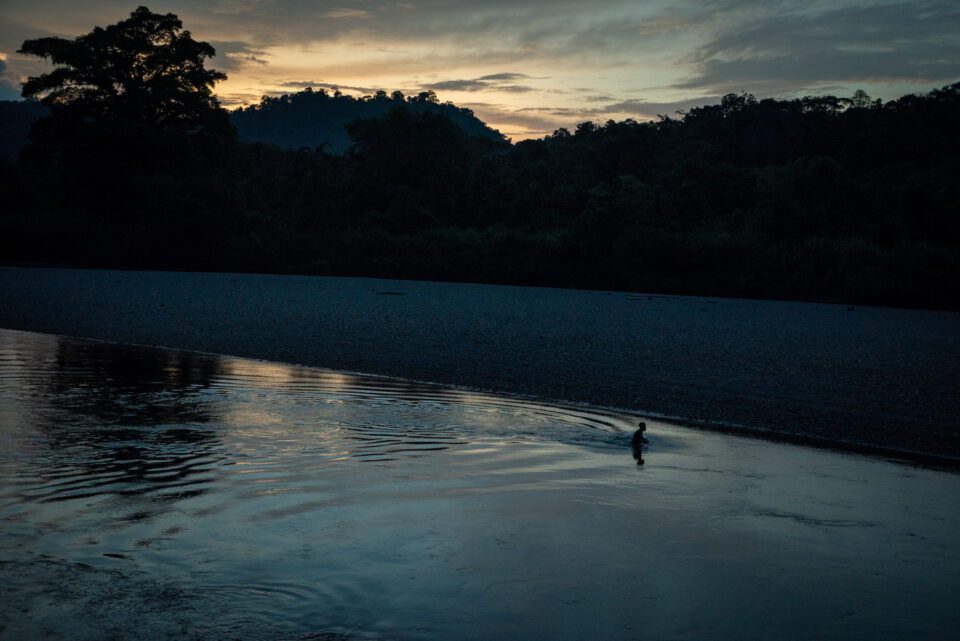
Manacillos: A Return to Life
Ever Andrés Mercado Puentes | Buenaventura, Colombia
Juntas is an Afro-descendant community deep in the Colombian Pacific rainforest, accessible only by a 10-hour boat journey up to the Yurumanguí River. Settled by descendants of enslaved Africans brought to the region in the 1700s, the community faces threats from illegal mining, logging and armed conflict. Fiesta de los Manacillos is a traditional ritual enacted by the community during Holy Week activities that blends Catholicism with African spiritual traditions. More than just a celebration, the festival is a homecoming for a diaspora, representing a profound affirmation of cultural resilience. In this image, participants return to Manacillos in a cultural and political act that reaffirms their connection to their ancestral territory.
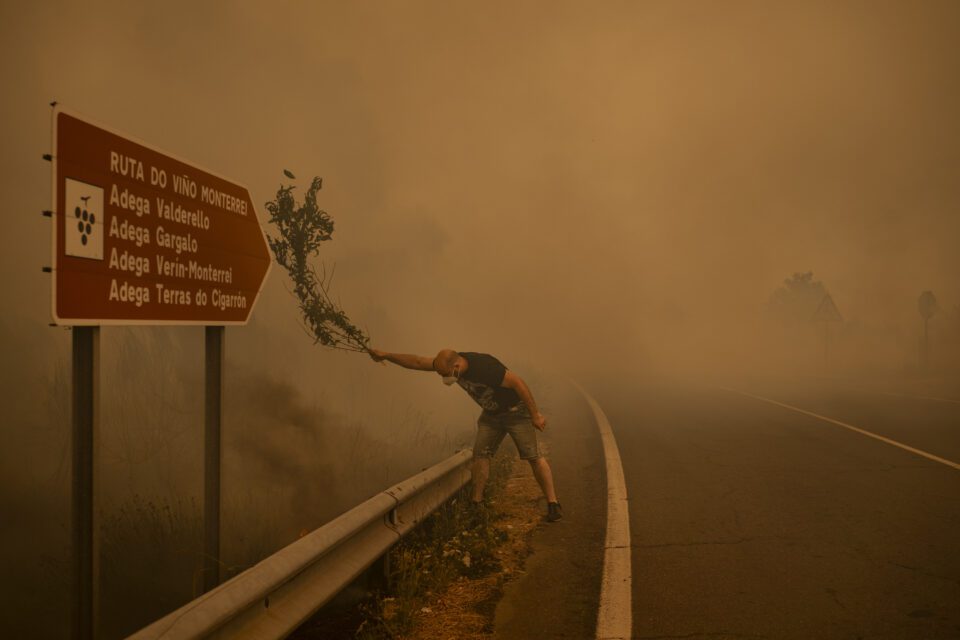
Burned Land
Brais Lorenzo | Galicia, Spain
2025 was a record year for wildfires in Europe. More than 200,000 hectares burned across Galicia during Spain’s worst fire season in about three decades. The increasingly severe fires in this region are attributed to drought and heat intensified by climate change, rural depopulation and shortsighted forest management policies, including the widespread planting of highly flammable non-native species. Photographer Brais Lorenzo was born in Ourense, the photographer grew up with the smell of smoke every summer and has documented Galician wildfires since 2011. Here, a man fights a wildfire with a branch in Cualedro. When resources are stretched, residents use whatever is available to extinguish flames.
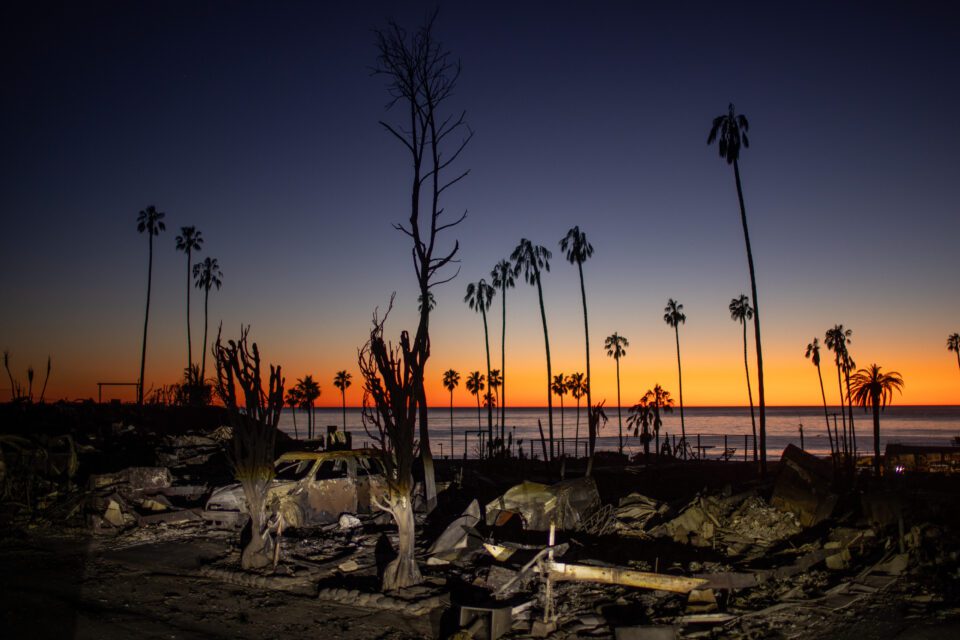
Los Angeles on Fire
Ethan Swope | Los Angeles, USA
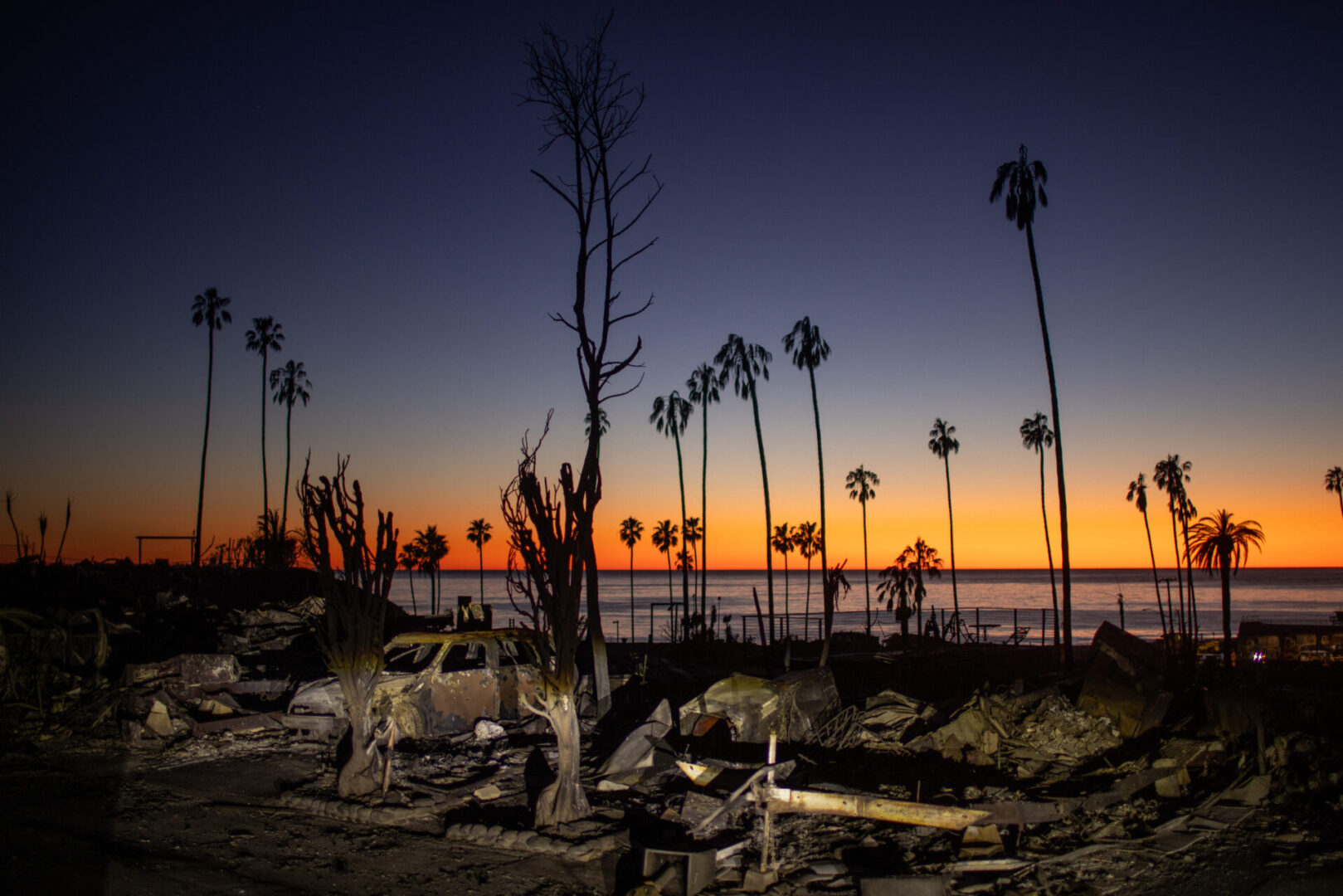
In January 2025, severe drought and 100mph Santa Ana winds swept across Los Angeles. They fueled 14 devastating wildfires across the city, destroying over 18,000 buildings and displacing 200,000 residents. Official reports state there were 31 direct fatalities, but public health studies estimate 440 excess deaths linked to toxic smoke and disrupted medical care. In the disaster’s aftermath, a stark wealth divide has defined recovery efforts, with lower-income residents facing displacement and delays, whilst wealthier communities leverage private resources to rebuild more quickly. Swope’s winning shot captures the devastation of the Palisades Fire, with burned out cars and trees, framed by a majestic sunset.
World Press Photo 2026 is at De Nieuwe Kerk, Amsterdam 24 April – 27 September: nieuwekerk.nl
Following its launch in Amsterdam, World Press Photo will visit 60 locations worldwide. Find out more.
Words: Emma Jacob
Image Credits:
1&6. Los Angeles on Fire. Credit: © Ethan Swope, for Associated Press.
2. The Last Dolphin Hunters. Credit: © Matthew Abbott, Oculi, for The New York Times.
3. Farīsāt: Gunpowder’s Daughters. Credit: © Chantal Pinzi, Panos Pictures.
4. Manacillos: A Return to Life. Credit: © Ever Andrés Mercado Puentes
5. Burned Land. Credit: © Brais Lorenzo, EFE, Revista 5W, El País.