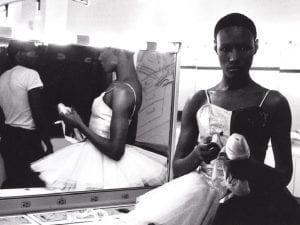
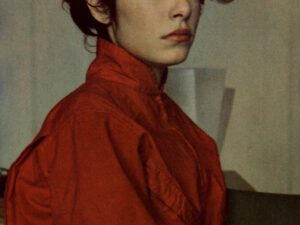
The Black Arts Movement emerged as a profound cultural awakening and radical reimagining of representation, galvanised by mid-20th century civil rights struggles and sustained by a belief in art’s transformative power. Writers, musicians, visual artists and performers sought not merely to reflect the world but to remake it, centring Black identity, dignity and autonomy within a cultural landscape that had long marginalised these voices. At its core, the movement insisted that creative production was inseparable from political engagement, asserting that culture could not remain neutral in the face of systemic oppression. Themes of self-definition, collective empowerment and the reclamation of history resonate with particular urgency today, in a world of hyper-mediated imagery and contested narratives. The Black Arts Movement’s insistence the reclamation of narrative feels prescient, demonstrating how visual culture can operate as political intervention. Photography served as evidence and imagination: a means of bearing witness to lived realities, whilst envisioning futures beyond oppression.
This dual role of photography, as documentation and as a tool of imagination, underpins the exhibition Photography and the Black Arts Movement, 1955–1985, on view at the J. Paul Getty Museum from 24 February to 14 June. Presenting more than 150 works by over 100 artists, the show explores how photography functioned as artistic practice and political instrument. It features gelatin silver prints, contact sheets, paintings, collages, newsletters, magazines and video art, illustrating the circulation of photographic imagery across both cultural and activist networks. Highlights include Frank Bowling, David Driskell, Ademola Olugebefola and Raymond Saunders, alongside portraits by Kwame Brathwaite, Mikki Ferrill, Barkley Hendricks and Carla Williams. Los Angeles–based figures such as Harry Adams, Charles Gaines, Betye Saar, John Simmons and Bruce Talamon are also represented, alongside recent Getty acquisitions by Alvin Baltrop, Roy DeCarava, Chester Higgins, Senga Nengudi and Beuford Smith, situating the movement within institutional collections while prompting contemporary reassessment of its impact.
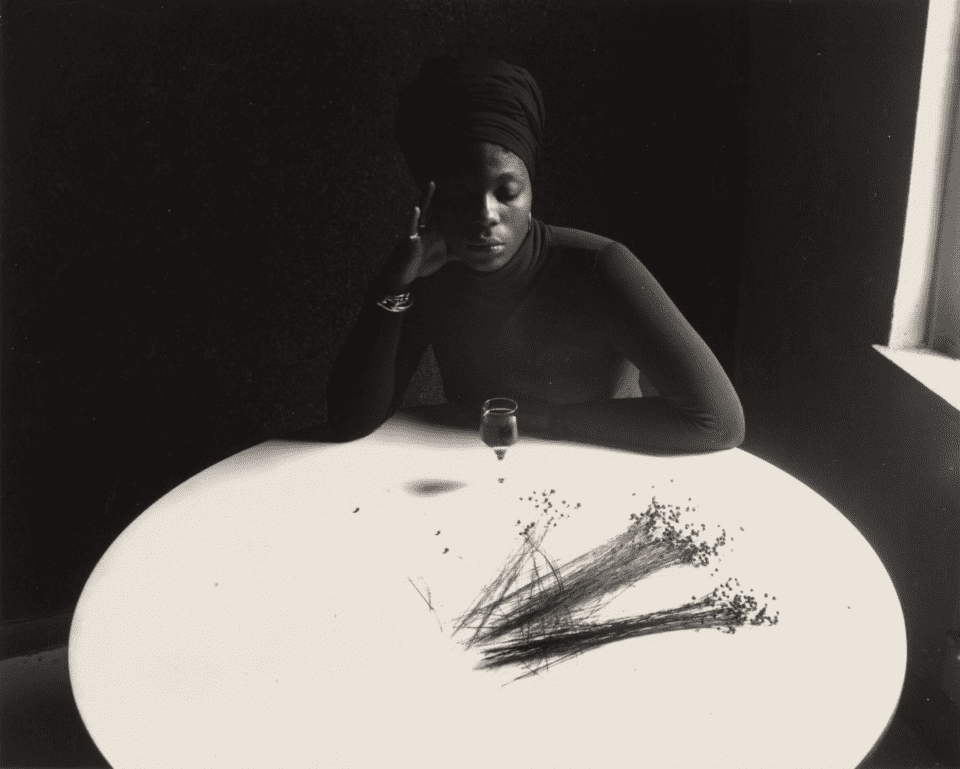
From its inception, the Black Arts Movement drew energy from grassroots organising, intellectual ferment and transnational dialogues about liberation and self-determination. It understood culture as a contested space, a battleground in which images, stories and aesthetic forms could either reinforce or dismantle power structures. Photographs circulated widely through magazines, newsletters, gallery exhibitions and alternative media, embedding political consciousness into everyday life and fostering community across geographic and social boundaries. The camera became a tool of activism, capturing protest, celebration, labour and intimacy with equal urgency, offering counter-narratives to reductive mainstream portrayals. Timothy Potts said: “The works in this exhibition show how a wide range of artists and activists tapped the power of photography to strengthen respect for Black community and culture,” underscoring the inextricable link between aesthetic practice and social justice. The movement’s legacy lies in its refusal to separate art from lived experience, insisting that representation itself was political action.
Divided into eight thematic sections, the exhibition traces photography’s role in shaping Black self-definition and collective action: Picturing the Self/Picturing the Movement, Fashioning the Self, Representing the Community, About Looking, Activism, In the News, Transformation in Art and Culture and California Connections. Together, these sections reveal how photographic images circulated as tools of persuasion, documentation and imagination, embedding political consciousness into everyday life while expanding aesthetic possibilities. Photography was not simply a record of events but a medium capable of constructing new realities, articulating social critique and asserting cultural sovereignty.
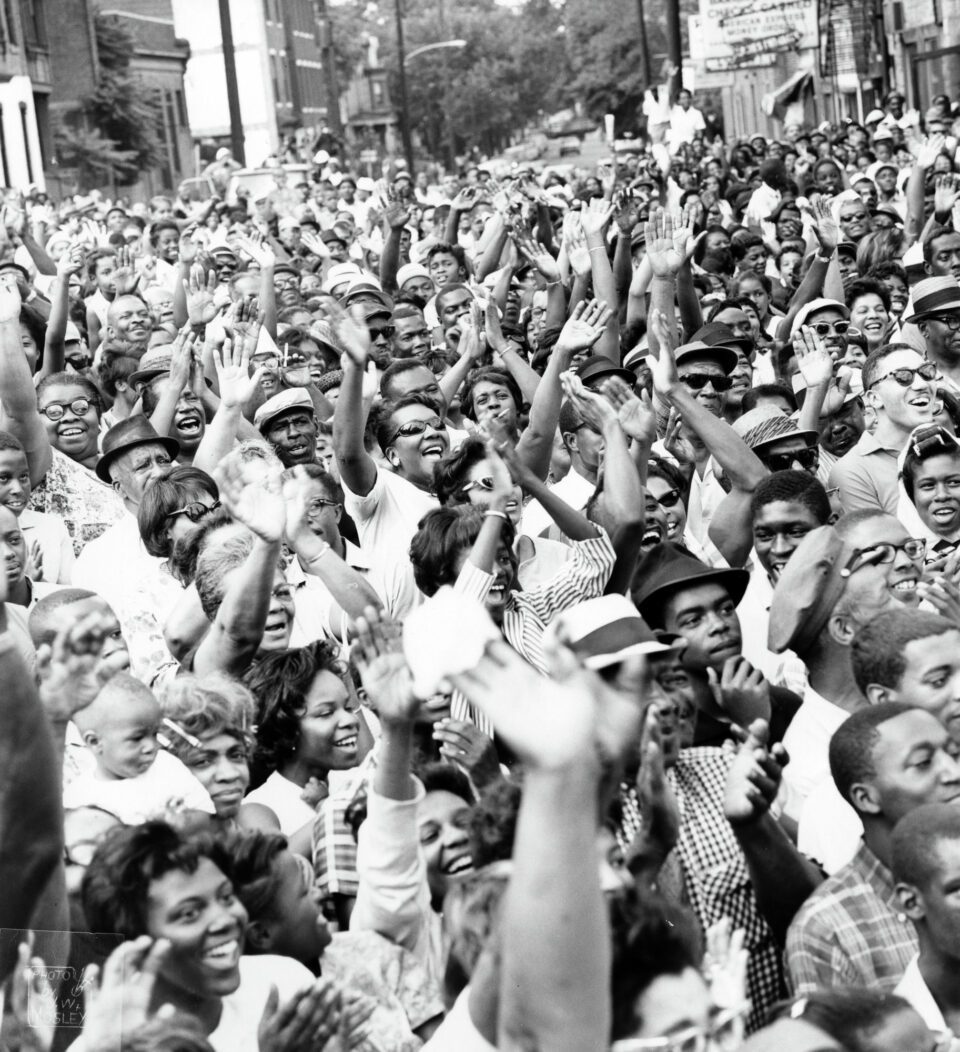
Central to the movement was self-representation, articulated through dignified portraits and introspective self-portraits that challenged entrenched stereotypes and reclaimed subjectivity. Kwame Brathwaite, Barkley Hendricks and Carla Williams crafted images celebrating Black beauty, individuality and complexity, countering dehumanising mass-media depictions. These photographs asserted presence, insisted on dignity and demanded recognition, transforming the act of looking into an ethical encounter. Artists such as Frank Bowling, David Driskell and Ademola Olugebefola incorporated photographic imagery into painting, collage and multimedia works. The resulting images functioned as visual manifestos, rallying cries articulating identity and autonomy while inviting audiences to reflection and empathy.
In today’s debates around representation, identity and visibility, these early explorations remain instructive, demonstrating how art can operate simultaneously as mirror and agent of social consciousness. The section Picturing the Self/Picturing the Movement foregrounds dignified portraits and self-portraits countering mass-media marginalisation, while Fashioning the Self explores clothing, gesture and everyday life as deliberate sites of political expression. Magazine spreads, vernacular imagery and personal documentation reveal style as resistance and belonging, offering insights into the interplay between aesthetics, politics and social performance. Fashion and the quotidian emerged as critical arenas for visual politics. Photographs captured how people dressed, worked, gathered and performed daily rituals, illustrating the intersection of aesthetics with ideology, aspiration and communal identity. Identity was portrayed as dynamic, negotiated through gestures, comportment and collective practice. By foregrounding the everyday, photographers challenged narratives confining Black experience to crisis, spectacle or trauma. These images anticipated contemporary discussions on visual culture, social media and the commodification of identity, providing historical precedents for debates around representation.
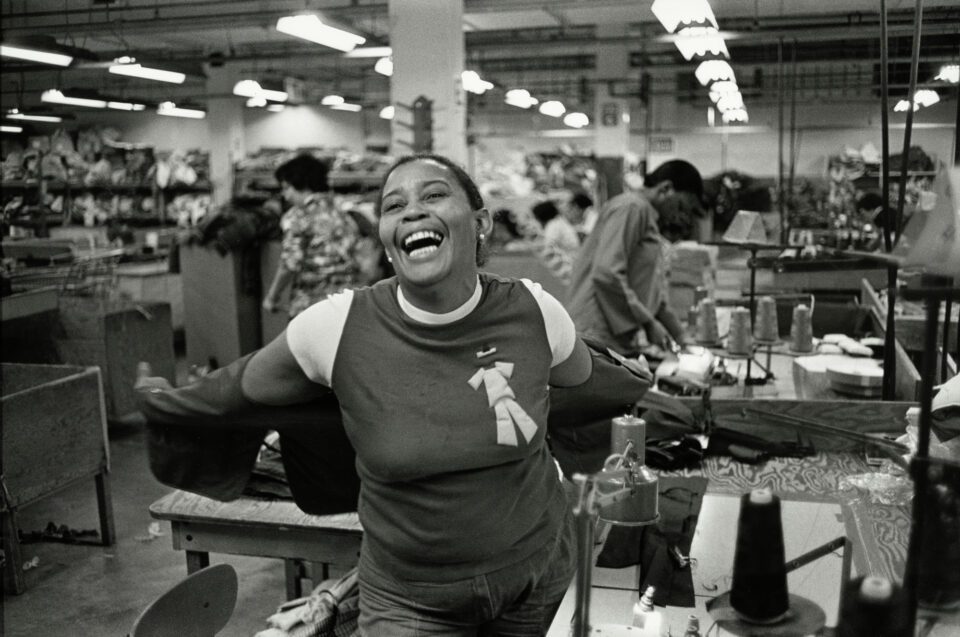
Community representation formed another cornerstone, as photographers embedded themselves within neighbourhoods, documenting collective life with empathy and intentionality. These images fostered pride, solidarity and belonging, countering dominant media portrayals that emphasised pathology or dysfunction. Capturing joy, labour, celebration and intimacy, artists constructed a visual language of belonging that transcended geographic boundaries. Photographers were participants and collaborators, using cameras to build networks, strengthen communal ties and sustain collective memory. Representing the Communitytraces these interventions, while About Looking interrogates the aesthetics of perception, examining shadow, tonal density and composition to question how Black subjects are seen and interpreted.
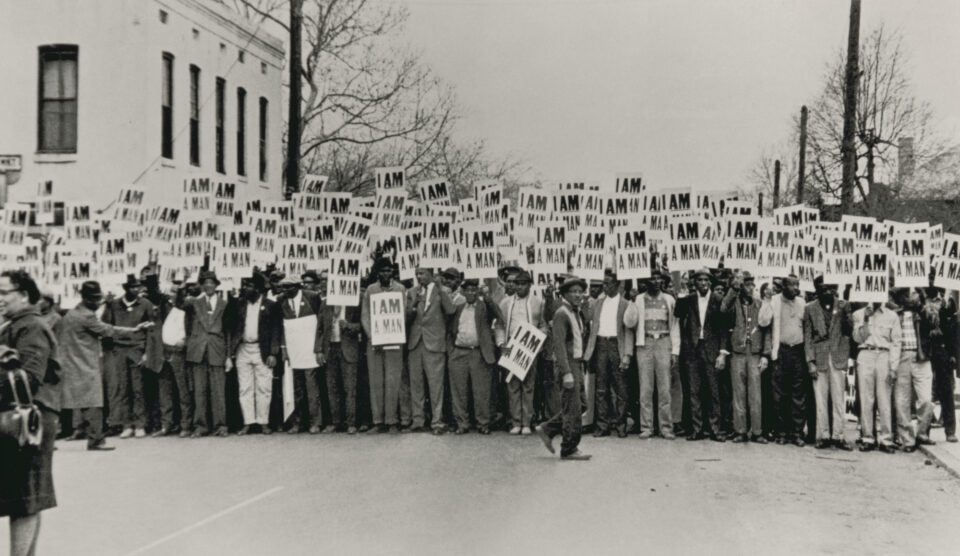
The movement did not shy from confronting systemic violence, recognising that visibility could galvanise opinion and effect political change. Activists documented protests, police brutality and structural inequality, circulating images that exposed both the physical and psychological toll of racism. These photographs entered homes through magazines such as Life, Ebony and Jet, shaping global perceptions of civil rights struggles. Adrian Piper’s installation Art for the Art World Surface Pattern (1976) reproduces newspaper clippings of conflict and disaster within a claustrophobic environment, confronting viewers with the ethical stakes of spectatorship. By juxtaposing aesthetic contemplation with political urgency, the movement questioned the responsibilities of viewers, the role of cultural institutions and the ethics of looking. Activism documents how field photographers and organisers used images to expose racism and inequity, while In the News examines global circulation of photographs that mobilised political pressure.
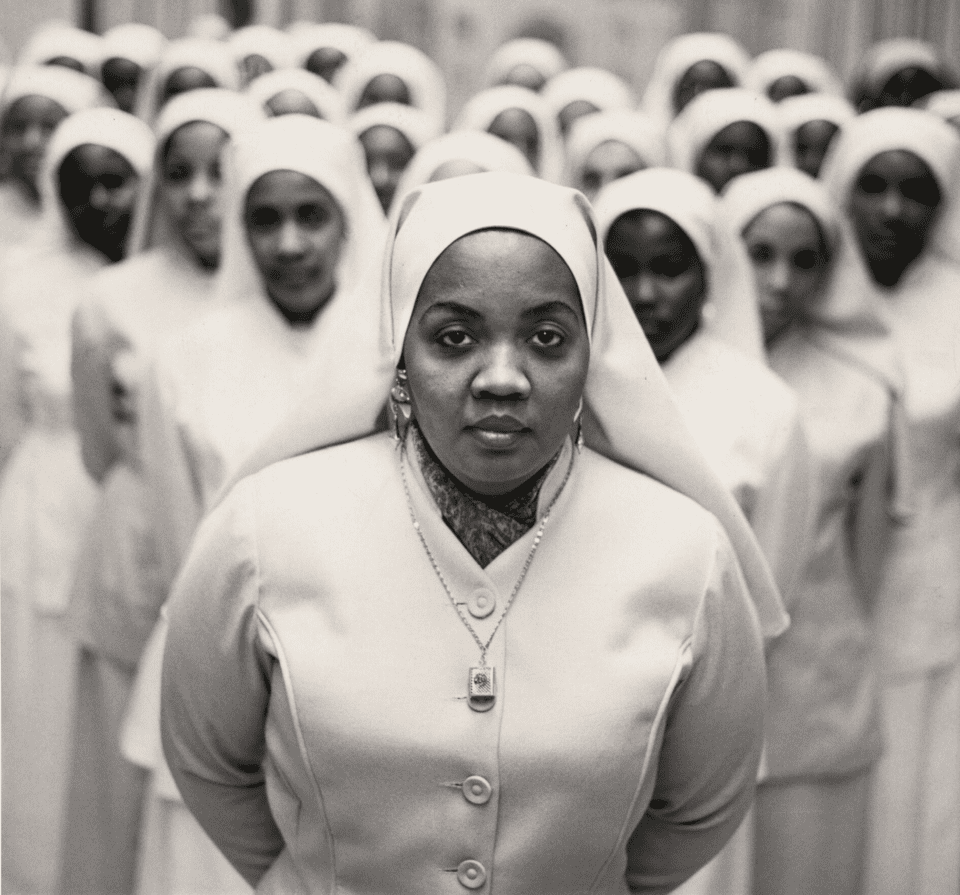
Between 1955 and 1985, artists responded to profound social, cultural and economic upheaval through diverse strategies. Accessible formats such as magazine spreads, newsletters and video allowed artists to claim agency over mass-media narratives. Alternative artist-run spaces became vital sites of experimentation and community, bypassing institutional gatekeepers. Betye Saar, Charles Gaines and Senga Nengudi expanded photographic practice through performance, assemblage, conceptual strategies and interdisciplinary experimentation. These practices reveal the Black Arts Movement as a constellation of approaches united by shared political, ethical and creative commitments. Transformation in Art and Culturesituates these practices within broader shifts in media and institutional power, highlighting appropriation of magazine formats and video to challenge dominant narratives.
California Connections, unique to the Los Angeles presentation, traces networks in Southern California, celebrating initiatives such as the Black Photographers of California and the Black Gallery, founded in Crenshaw in 1984, which promoted and preserved work by photographers of colour. Regional networks shaped the movement, with Southern California emerging as a hub despite systemic racism and residential segregation. Artists forged collaborative ecosystems across urban landscapes, nurturing experimentation, mentorship and support. These grassroots initiatives emphasised self-determined cultural infrastructure, collective preservation and cultivation of artistic legacies, informing contemporary discussions on decolonising museums, diversifying leadership and sustaining inclusive institutions.
The Black Arts Movement’s legacy extends well beyond historical documentation, influencing contemporary artists, curators and scholars grappling with representation, power and community. Recent Getty acquisitions, including works by Alvin Baltrop, Roy DeCarava and Chester Higgins, demonstrate ongoing reassessment and canonisation. Multimedia pioneers such as Barbara McCullough show photography intersecting with film, music, performance and conceptual practice, producing rich interdisciplinary dialogue. As Potts notes, amid mid-20th century turbulence, artists “found powerful ways of using photography to support and advance social justice,” a sentiment that resonates in contemporary practices blending activism, critique and aesthetic innovation. The movement’s insistence on art as a catalyst for change challenges practitioners to reflect on their roles within politics, society and culture.
In an age of algorithmic circulation, hyper-mediated narratives and contested truths, the Black Arts Movement offers both precedent and methodological guide for navigating visual politics. Its artists understood that images are never neutral; they circulate within power structures, shaping consciousness, mobilising communities and asserting autonomy. By reclaiming authorship, foregrounding community, embracing interdisciplinarity and challenging hierarchies, they modelled cultural production that remains instructive, inspiring and urgently relevant. Photography and the Black Arts Movement, 1955–1985 functions not merely as a retrospective but as a call to action, inviting viewers to reconsider the ethics, possibilities and responsibilities of visual representation. Its legacy reminds us that the fight for dignity, recognition and justice continues. Art remains a crucial space for imagining, influencing and driving social change.
Photography and the Black Arts Movement, 1955–1985 is at Getty Center, Los Angeles until 14 June: getty.edu
Words: Shirley Stevenson
Image Credits:
1&3. View of the Crowd as Dr. Martin Luther King Jr. Addresses Civil Rights Demonstrators at 40th Street and Lancaster Avenue, Philadelphia, August 3, 1965. John W. Mosley (American, 1907–1969) Gelatin silver print John W. Mosley Photograph Collection, Charles L. Blockson Afro-American Collection, Temple University Libraries, Philadelphia.
2. Genie, 1971, printed later Ray Francis, (American, 1937–2006) Gelatin silver print J. Paul Getty Museum © Estate of Ray Francis.
4. Mom at Work, 1978–84. From the series Family Pictures and Stories Carrie Mae Weems (American, born 1953). Gelatin silver print National Gallery of Art, Washington. Alfred H. Moses and Fern M. Schad Fund, 2022.108.1 © Carrie Mae Weems.
5. Ethel Sharrieff in Chicago, 1963 Gordon Parks (American, 1912–2006) Gelatin silver print National Gallery of Art, Washington. Corcoran Collection (The Gordon Parks Collection), 2015.19.4631 © Gordon Parks Foundation.
6. I Am a Man, Sanitation Workers Strike, Memphis, Tennessee, March 28, 1968. Ernest C. Withers (American, 1922–2007) Gelatin silver print, National Gallery of Art, Washington. Alfred H. Moses and Fern M. Schad Fund, 2023.87.1 © Dr. Ernest C. Withers, Sr. courtesy of the WITHERS FAMILY TRUST