At a moment when images are endlessly produced, consumed and forgotten, American Images feels like a necessary interruption. The exhibition arrives with a thematic clarity that feels both timely and radical, centring on the relationship between the individual and the collective at a time when social bonds feel increasingly strained. In an era defined by digital self-fashioning and polarised narratives, Dana Lixenberg’s work insists on a more attentive mode of looking. Her portraits are not transactions but encounters, unfolding across time and circumstance to reveal the layered realities of American life. This is photography as a form of listening, as an ethical proposition rather than a spectacle. The exhibition’s emphasis on personal trajectories intertwined with shared experience speaks to contemporary anxieties around belonging, identity and visibility, reminding us that every collective story is composed of singular lives.
Lixenberg’s practice is grounded in duration, reciprocity and an unwavering belief in the dignity of her subjects. She has described the act of photographing as a “slow dance”, a phrase that captures both the temporal and relational dimensions of her method. Working with a large-format camera that demands patience and precision, she creates an environment in which trust can develop, allowing subjects to inhabit the frame without performance. Her portraits resist the reductive tendencies of mainstream media, stripping away spectacle to focus on presence, gesture and gaze. She has spoken of being “less interested in the persona someone wants to project than in what is actually happening with them at the moment of the encounter”, a statement that reveals her commitment to the immediacy of human experience. This insistence on the present tense destabilises hierarchies between celebrity and anonymity, granting equal attention to those who are usually marginalised by visibility economies. In doing so, she constructs a counter-archive of American life that feels simultaneously intimate and expansive.
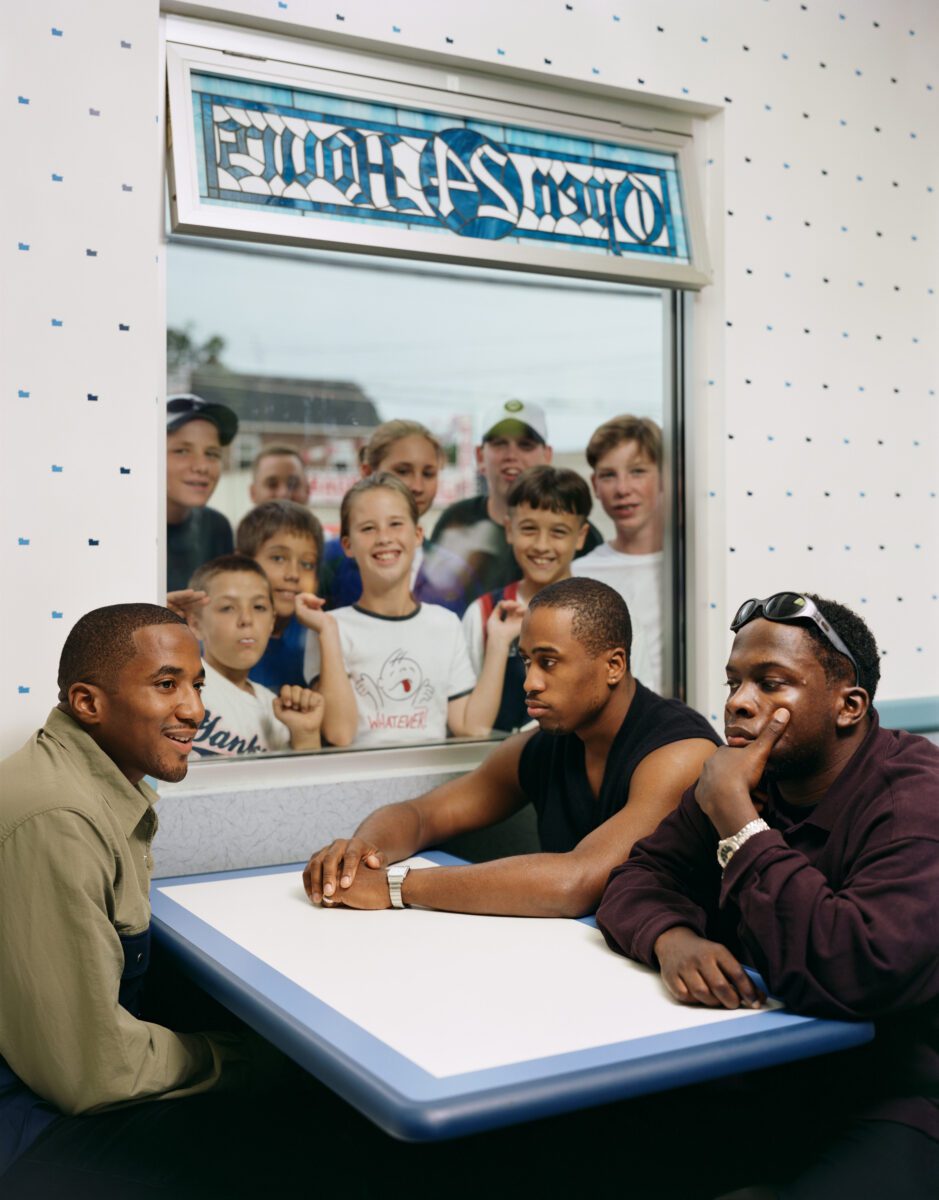
Born in Amsterdam and shaped by decades of work in the United States, Lixenberg occupies a position between insider and outsider. This perspective allows her to approach the mythologies of the American dream with nuance rather than reverence or dismissal, revealing its contradictions through sustained observation. Over more than three decades, she has moved across social strata, photographing cultural icons alongside residents of public housing, unhoused families and Indigenous communities threatened by climate change. The exhibition traces this trajectory through projects like Imperial Courts, Jeffersonville, Indiana and The Last Days of Shishmaref, each of which demonstrates a commitment to long-term engagement. Her return visits, evolving relationships and collaborative gestures challenge the extractive logic that has historically defined documentary photography. She builds narratives that unfold across generations, revealing how structural forces shape lives over time. The resulting images feel less like documents and more like conversations suspended in photographic form.
Imperial Courts occupies a central place in the exhibition and in Lixenberg’s career, tracing the lives of residents in a Watts housing project from the aftermath of the 1992 Los Angeles uprising to the present-day. By returning year after year, she constructs a longitudinal portrait that resists sensationalism and instead foregrounds continuity, resilience and change. The project’s expansion into video further deepens this portrait, capturing everyday routines, celebrations and tensions in a multisensory environment. Soundscapes of freeways, helicopters and ice cream trucks situate the images within lived experience, blurring the boundary between observer and participant. This immersive approach underscores the exhibition’s central thesis that the collective is made up of countless moments of ordinary life. Lixenberg’s images do not confine their subjects to categories but allow them to exist in all their complexity.
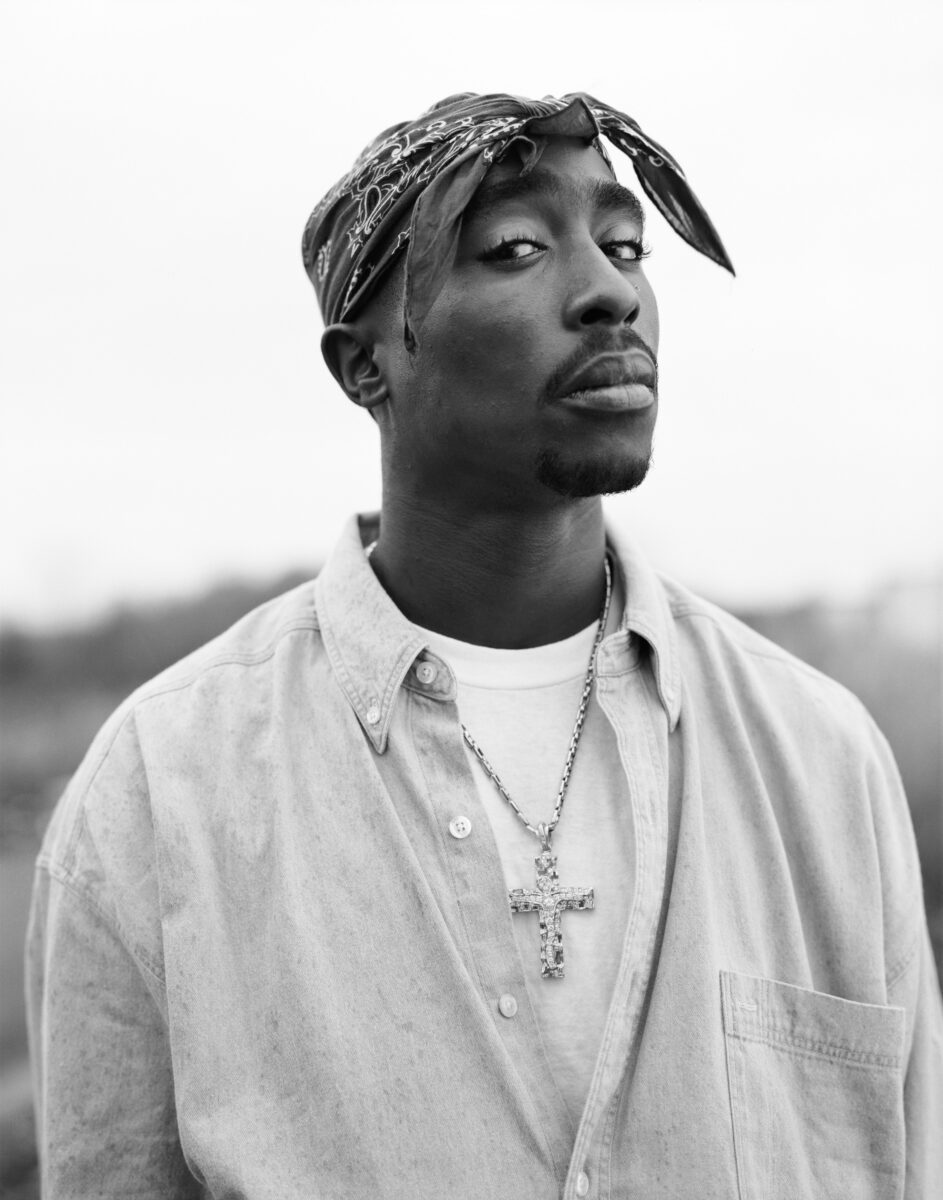
In today’s world, empathy often feels diluted by scale. Lixenberg’s slow, deliberate practice offers a counterpoint that feels urgent. Her work reminds us that representation is not simply about visibility but about responsibility, about the ethics of how and why we look. She repositions photography as a tool for understanding rather than consumption. The exhibition’s careful sequencing of portraits, landscapes and archival materials invites viewers to inhabit a temporality that resists the acceleration of contemporary media. In this sense, American Images is not only a retrospective but also a manifesto for a different way of seeing, one that privileges attention over immediacy. It suggests that to look carefully is a form of care, a means of resisting the flattening of human experience into data and imagery.
Lixenberg’s legacy can be understood in dialogue with artists such as Rineke Dijkstra, Nan Goldin and LaToya Ruby Frazier, whose practices collectively reshape the ethics and aesthetics of portraiture. Dijkstra’s frontal, stripped-back portraits share Lixenberg’s commitment to clarity and presence, allowing subjects to confront the camera with unguarded intensity. Goldin’s diaristic and intimate approach complements Lixenberg’s work by foregrounding personal relationships and lived experience, though through a more subjective and confessional lens. Frazier’s collaborative projects with her family and community echo Lixenberg’s long-term engagement with place, embedding social critique within deeply personal narratives. Together, these artists form a constellation of practices that challenge dominant visual regimes and expand the possibilities of documentary photography. Lixenberg’s work sits within this lineage while maintaining a distinctive balance between empathy and formal rigour, detachment and intimacy.
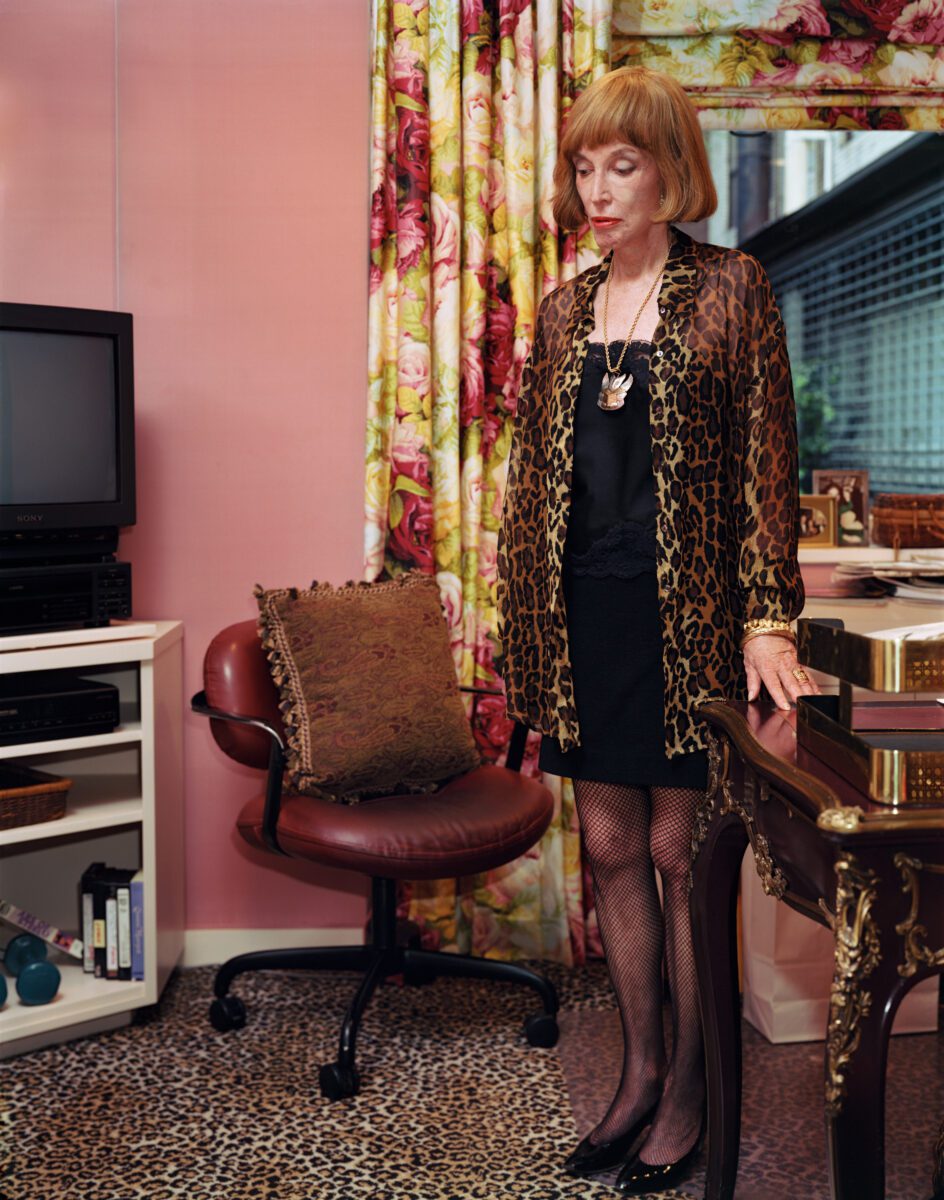
The exhibition’s inclusion of Polaroid test shots and outtakes further complicates the notion of the finished image, revealing process as an integral part of meaning. These material traces, marked by scratches, fingerprints and imperfections, function as relics of encounter, underscoring the tactile nature of photographic exchange. They offer insight into a working method that values immediacy and experimentation alongside compositional precision. By sharing these artefacts, Lixenberg invites viewers into the mechanics of her practice, demystifying the act of portraiture while reinforcing its relational dimension. The Polaroids also speak to a vanished technological era, their materiality standing in contrast to the immaterial circulation of contemporary images. In this way, they become metaphors for a slower, more grounded mode of visual culture that feels increasingly rare in the contemporary landscape.
Within the broader seasonal programme, Lixenberg’s work resonates with the practices of Joel Quayson and Johny Pitts, whose projects similarly interrogate identity, territory and memory. Quayson’s performative self-portraits explore the tension between intimacy and public gaze, echoing Lixenberg’s interest in the ethics of looking and being looked at. Pitts’s concept of Afropean identity, articulated through collage, archives and narrative fragments, complements Lixenberg’s transnational perspective on belonging and difference. Together, these artists articulate a spectrum of approaches to portraiture that move beyond representation towards relationality and self-reflexivity. Their works suggest that identity is negotiated through images, histories and shared spaces. In this context, American Images becomes part of a broader conversation about how photography can mediate between self and society.
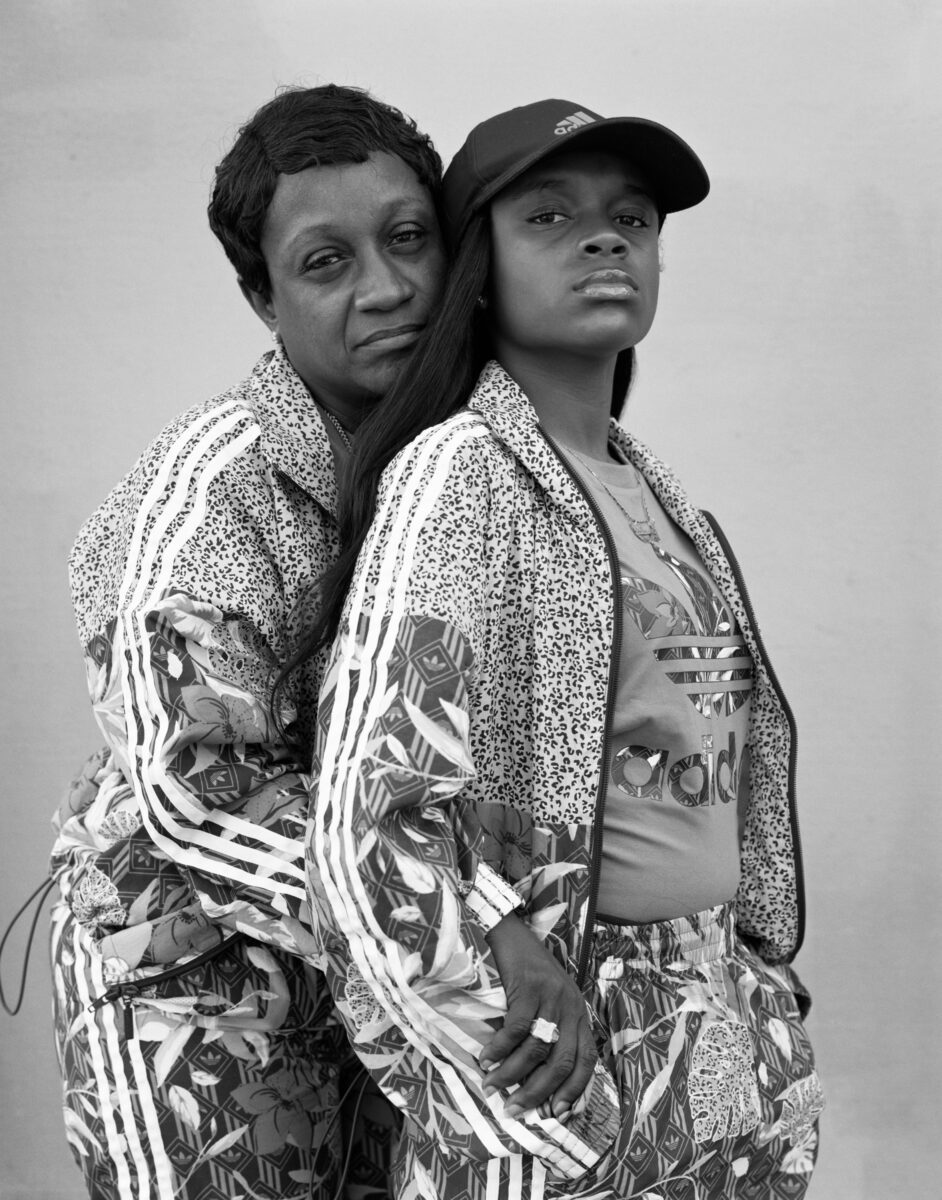
Lixenberg’s influence extends beyond the field of photography into wider debates about documentary ethics, social representation and the politics of visibility. Her sustained commitment to communities challenges the episodic nature of much contemporary documentary practice, offering a model for long-term engagement that prioritises relationships over results. By returning to the same places and people over decades, she transforms the camera from an instrument of extraction into a tool of dialogue and memory. This approach has informed a generation of practitioners who seek to build collaborative, consent-based practices that resist the commodification of suffering. Her images have shaped visual culture, from iconic portraits of cultural figures to nuanced depictions of marginalised lives, demonstrating that the power of photography lies in its capacity to sustain attention and foster understanding. In an age of spectacle, her work argues for the quiet radicalism of presence.
American Images is an editorial statement on the enduring relevance of portraiture as a site of ethical encounter and social reflection. It invites viewers to reconsider the act of looking as a form of responsibility, one that acknowledges both individuality and interdependence. Through her nuanced portrayal of America’s social landscape, Lixenberg reveals the contradictions, tensions and tenderness that define contemporary life. Her work, situated alongside artists who share her commitment to empathy and rigour, forms a compelling argument for photography’s capacity to shape collective consciousness. In tracing more than three decades of encounters, American Images reminds us that the collective is always inscribed in the gestures, bodies and memories that photography so quietly preserves.
American Images is at MEP, Paris until 24 May: mep-fr.org
Words: Anna Müller
Image Credits:
1&5. Dana Lixenberg, Tanya K and her daughter Kayrah, 2021 © Dana Lixenberg. Courtesy of the artist and Grimm Amsterdam | London | New York.
2. Dana Lixenberg, Kamaal “Q-Tip” Fareed, Ali Shaheed Muhammad and Malik “Phife” Taylor (A Tribe Called Quest), 1997 © Dana Lixenberg. Courtesy of the artist and Grimm Amsterdam | London | New York.
3. Dana Lixenberg, Tupac Shakur, 1993 © Dana Lixenberg. Courtesy of the artist and Grimm Amsterdam | London | New York.
4. Dana Lixenberg, Helen Gurley Brown, 1997 © Dana Lixenberg. Courtesy of the artist and Grimm Amsterdam | London | New York.