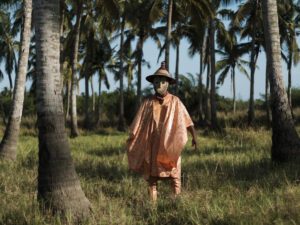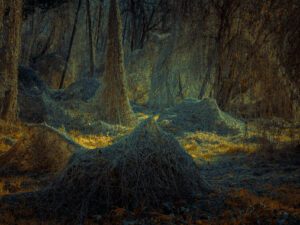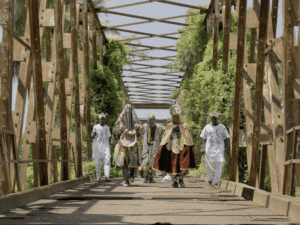
These five artists, each longlisted for the 2025 Aesthetica Art Prize, use sculpture as a testing ground for ideas that cannot be contained on a flat surface. They often expand beyond the gallery walls, instead placed in public spaces, creating art that engages with the masses. The selected artists treat three-dimensional form as a way to examine systems — economic, social and institutional — that shape daily life. They invite us to reconnect with the environment and recognise our place in the natural world.
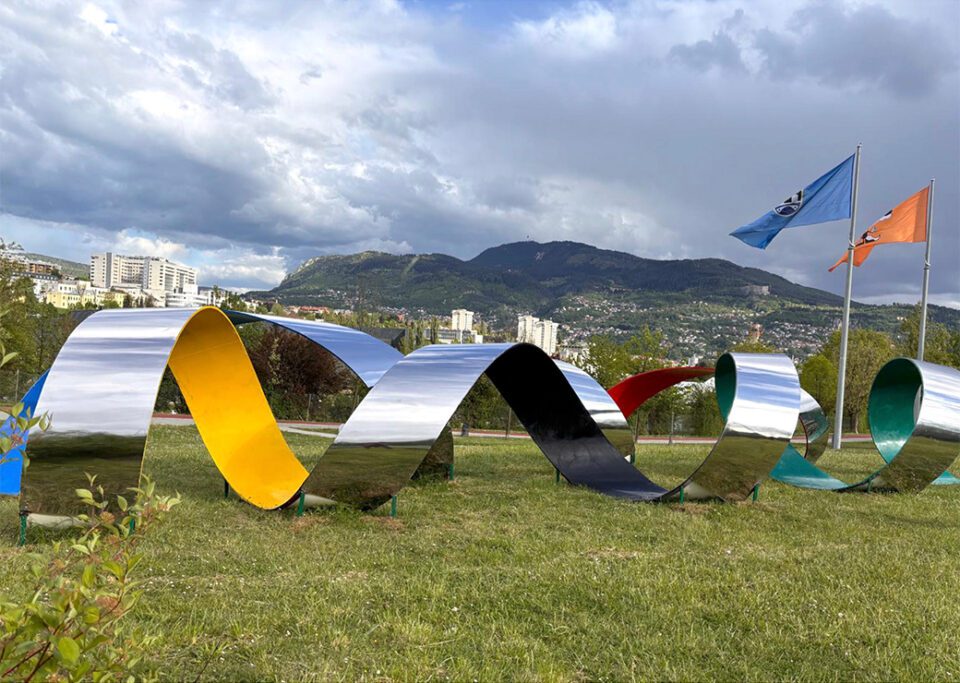
Sarajevo Olympic Journey (2024)
Edina Seleskovic is a multidisciplinary artist whose practice centres on creating inclusive, participatory experiences that challenge traditional boundaries of art and audience. Her work is grounded in a commitment to connecting young people with creativity and forging stronger links between cultural institutions and the communities they serve. Shifting from conventional gallery settings to shared public spaces, Seleskovic transforms these environments into platforms for dialogue and collective engagement.
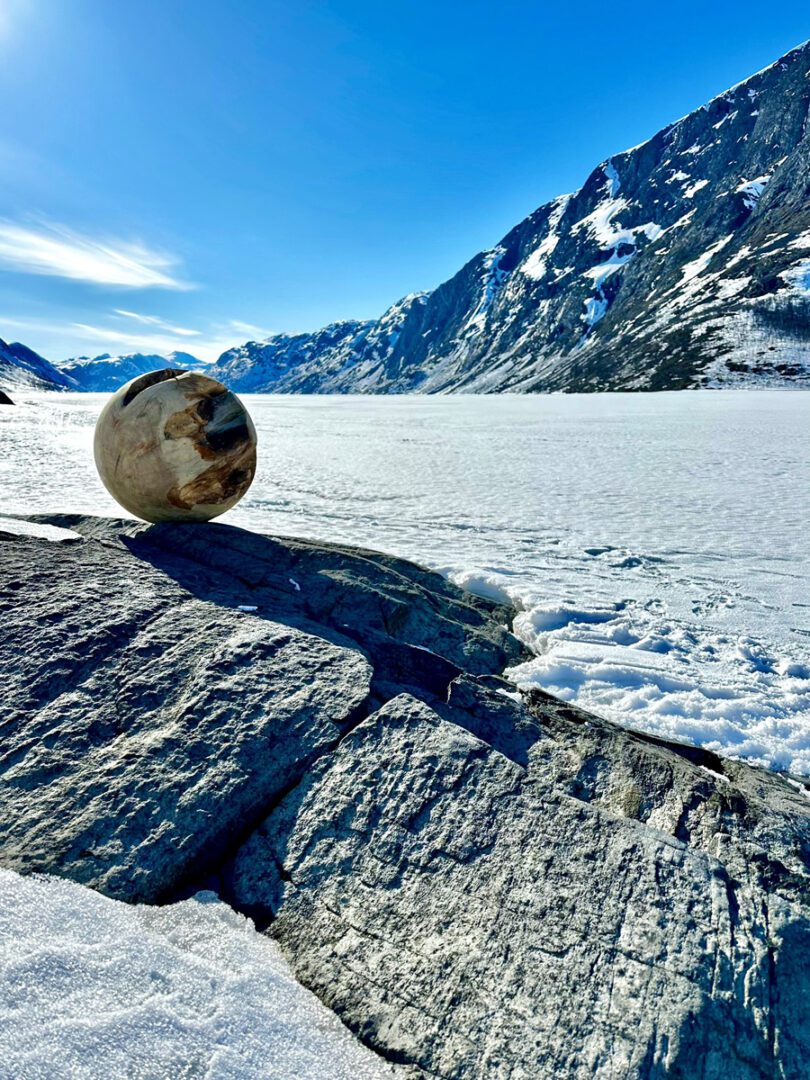
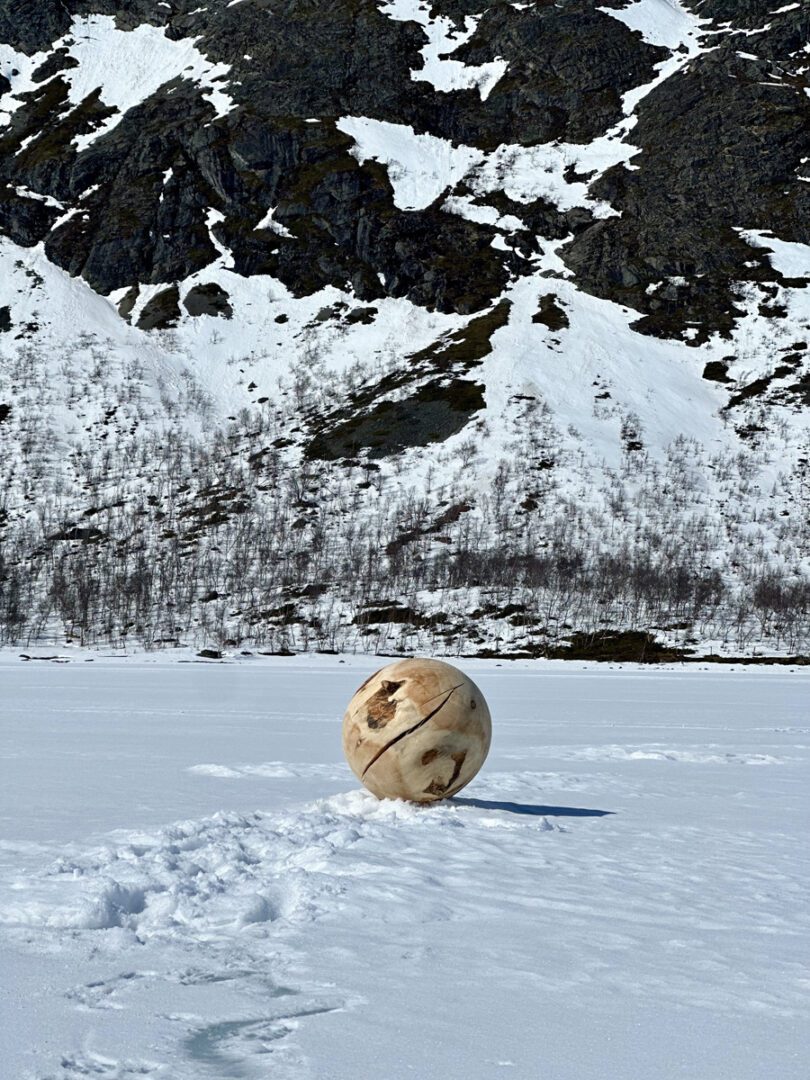
Norwegian sculptor Marianne Broch works closely with nature, sourcing ancient wood from remote mountain forests and carving it outdoors. Her practice delves into the interplay between human experience and organic form, uncovering the hidden essence beneath the wood’s surface. Broch’s shortlisted piece reflects on life’s origins and the fragile strength inherent in natural materials. Through her meditative process, she invites us to reconnect with the enduring rhythms of nature.
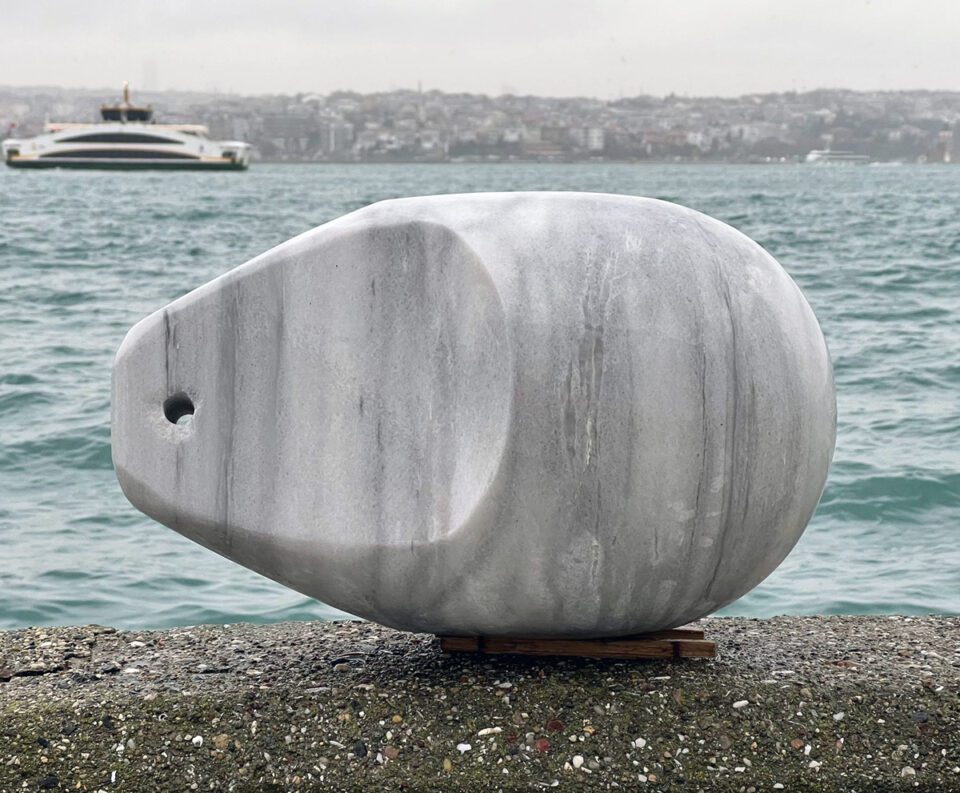
wie man die erde vermisst-wie vermisst man die erde (2024)
Gea Kalkhof’s sculptures, crafted from clay, loam, stone and metal, navigate the dynamic tension between organic and industrial forces. Her practice engages with ecological, political and social issues, emphasising collaboration with materials and recognising non-human agency. Kalkhof challenges traditional hierarchies by reimagining how environments and shared spaces are formed and transformed. Her work invites reflection on our connections to matter, power structures and the more-than-human world.
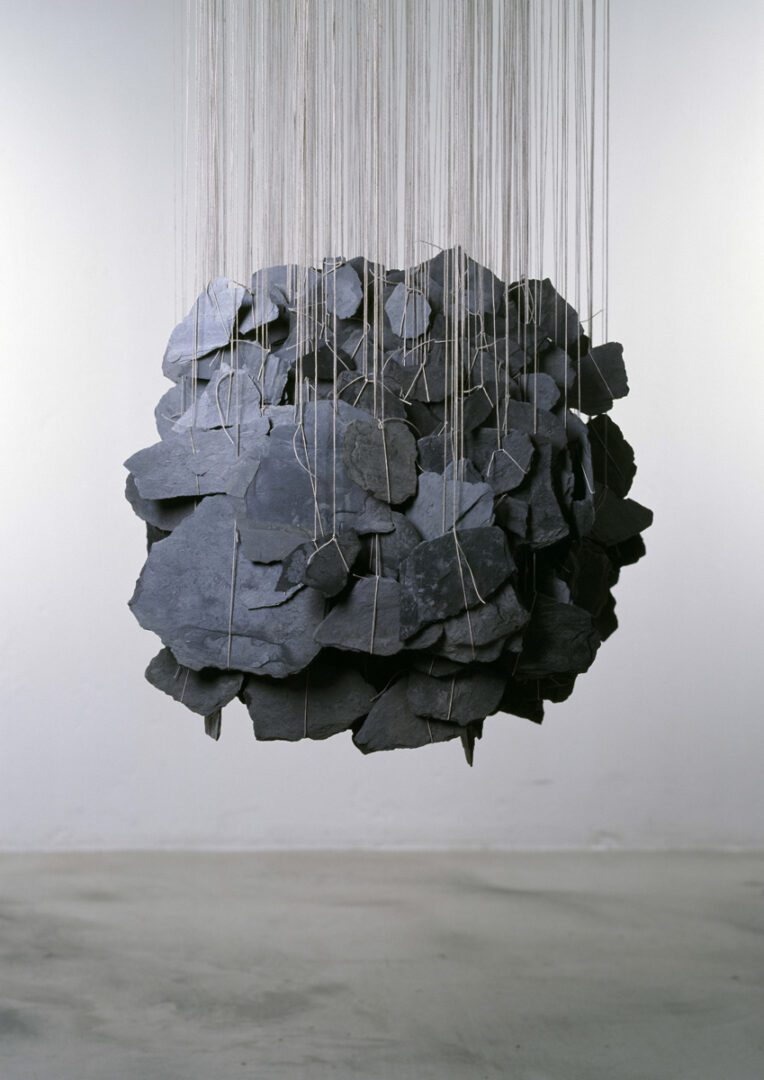
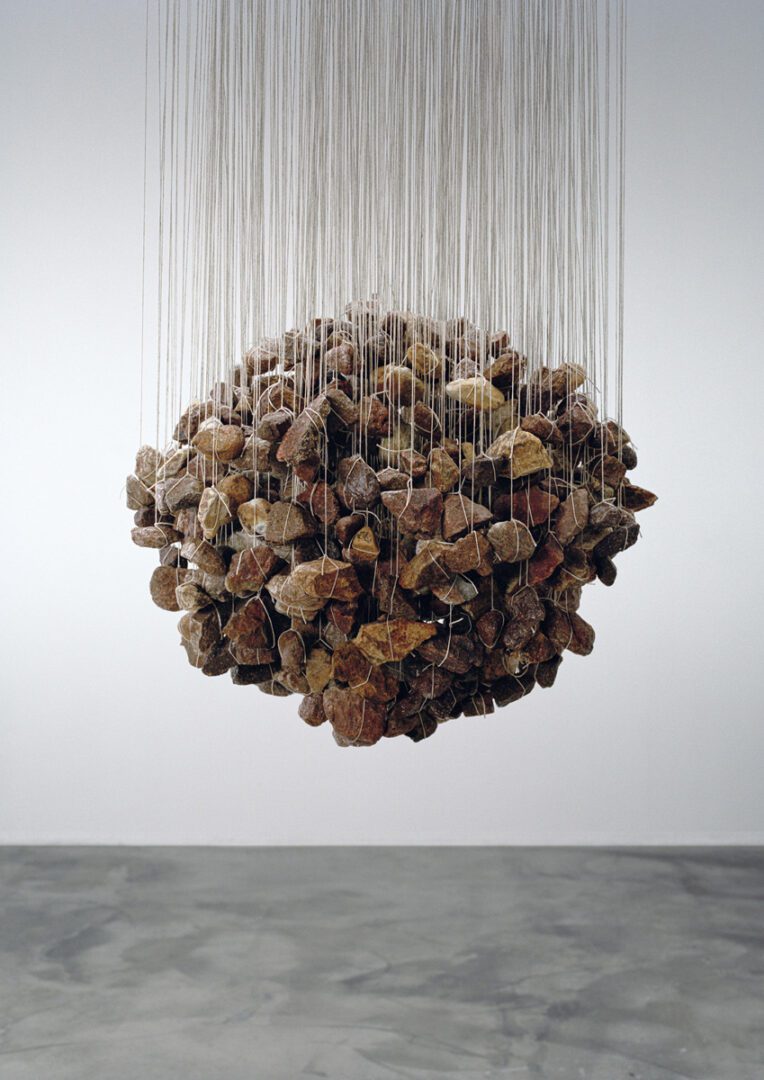
Navigating The Unseen (2023)
Rein Kooyman is an artist whose work centres on the quiet beauty of nature and its overlooked details. By using simple materials like stones and organic matter, he asks audiences to reconnect with the natural world and embrace slowness and reflection. He is deeply influenced by the mountain landscapes he revisits, and his meditative practice reveals the fragility of the seasons and the layered rhythms of life. His art encourages a return to intentionality amid digital distraction and environmental overproduction.
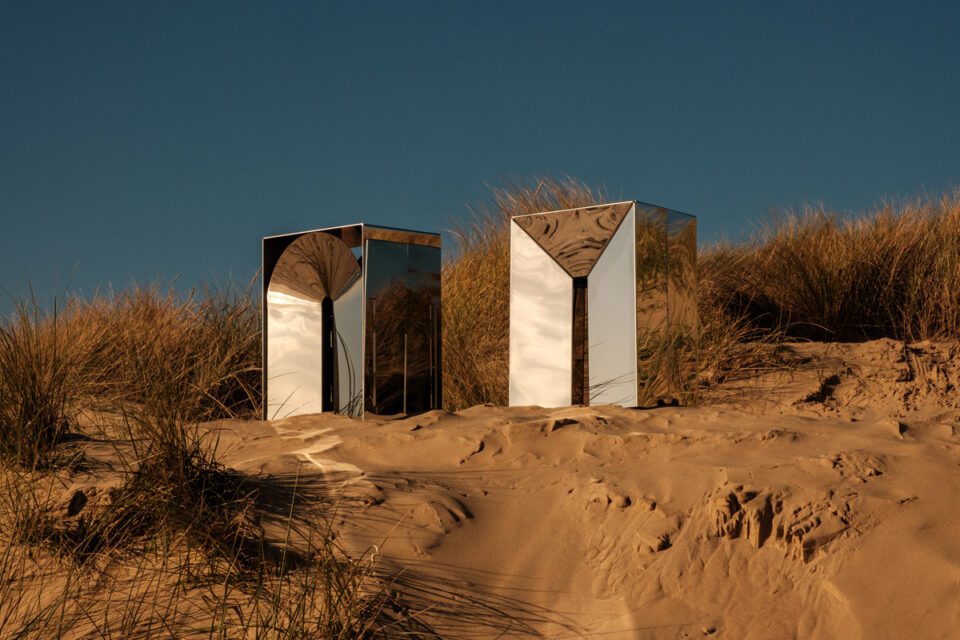
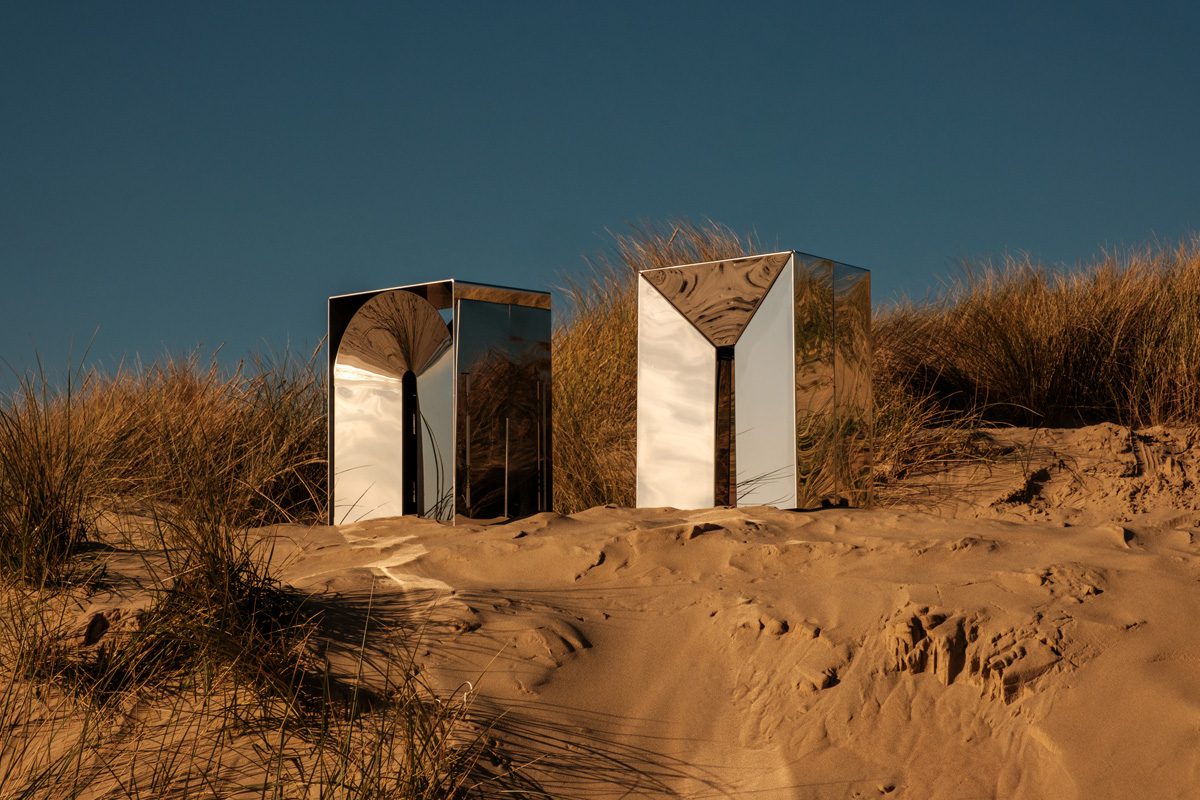
Dystopian Ottomans Images (2024)
Design becomes both a question and artefact in the work of Roc H Biel, who creates objects that feel like memories from a future that never happened. Drawing from classical silhouettes and the surreal logic of renders and dreamscapes, his practice plays with material truth and visual illusion. Whether sculpted in polished steel or rendered in uncanny imagery, each piece invites viewers to reconsider what is real, what is constructed and what feels familiar. Biel’s work dwells in the space between nostalgia and speculation.
Words: Emma Jacob
The Aesthetica Art Prize is open for entries. Submit your work. Deadline 31 August.
Image Credits:
1&8. Roc H Biel, Dystopian Ottomans Images (2024).
2. Edina Selekovic, Sarajevo Olympic Journey (2024).
3. Marianne Broch, The Core (2023).
4. Marianne Broch, The Core (2023).
5. Gea Kalkhof, wie man die erde vermisst-wie vermisst man die erde (2024).
6. Rein Kooyman, Navigating The Unseen (2023).
7. Rein Kooyman, Navigating The Unseen (2023).