Freedom is rarely imagined from inside the structures designed to deny it. Prisoners of Love: Until the Sun of Freedom, presented at The Bell Gallery at Brown University, begins from this tension, asking how artistic expression persists under regimes of incarceration. Artists, Basel Abbas and Ruanne Abou-Rahme, approach imprisonment not only as a physical condition but as a temporal and psychological one, shaped by repetition, suspension and enforced stillness. Their exhibition draws together sound, moving-image and sculptural installation to explore how poetry, music and testimony circulate when bodies are constrained. Rather than narrating incarceration directly, the work unfolds through fragments that resist closure. The result is an environment that invites sustained listening instead of immediate comprehension.
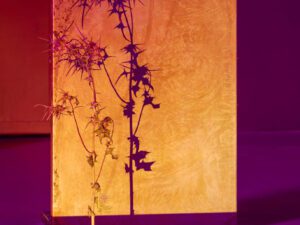
The gallery becomes a carefully orchestrated field of encounters. Projections fall across concrete, fabric and weathered steel, materials that echo the architecture of confinement without reproducing it literally. Images slide and fracture across these surfaces, refusing the polished clarity associated with spectacle or documentation. Sound moves in overlapping currents, destabilising any fixed point of attention. Viewers are not positioned as observers looking in but as bodies moving through a resonant structure. This spatial uncertainty mirrors the psychological disorientation produced by carceral systems.
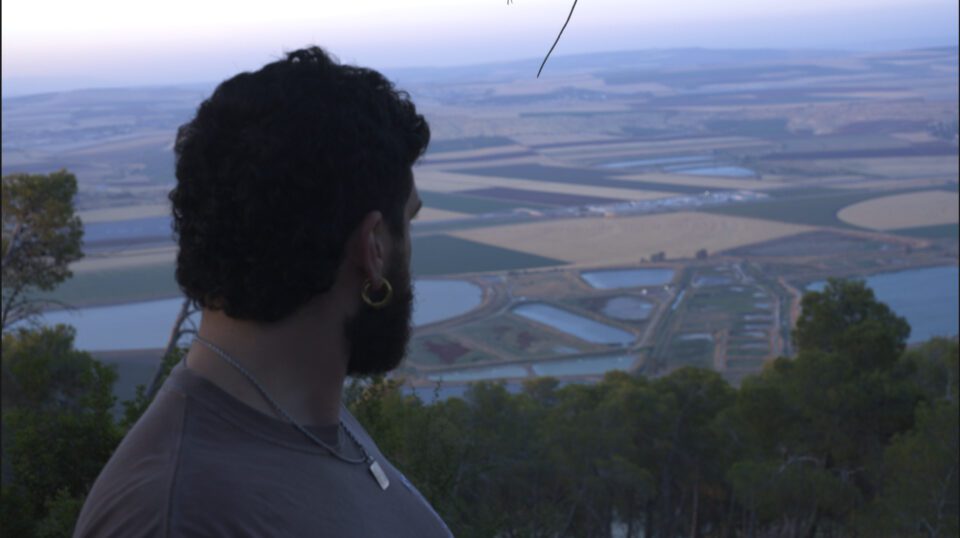
At the conceptual core of the exhibition is the idea of the counter-archive. Interviews with former Palestinian political prisoners are present, yet they are never framed as definitive testimony. Voices emerge intermittently, embedded within a wider composition of sound, poetry and silence. Abbas and Abou-Rahme deliberately avoid linear narrative, rejecting the assumption that trauma must be rendered transparent to be understood. Fragmentation becomes a political strategy rather than an aesthetic effect. The work insists on the right to partiality, protecting lived experience from extraction and simplification.
Poetry plays a central role in shaping this counter-archive. Samih Al-Qasim’s poem Enemy of the Sun operates as both anchor and conduit, carrying a history marked by displacement and misattribution. Once mistakenly credited to Black Panther George Jackson after being found in his prison cell, the poem reveals how words travel across borders and struggles. Abbas and Abou-Rahme draw attention to these moments of convergence between Black political prisoners in the United States and Palestinian detainees.
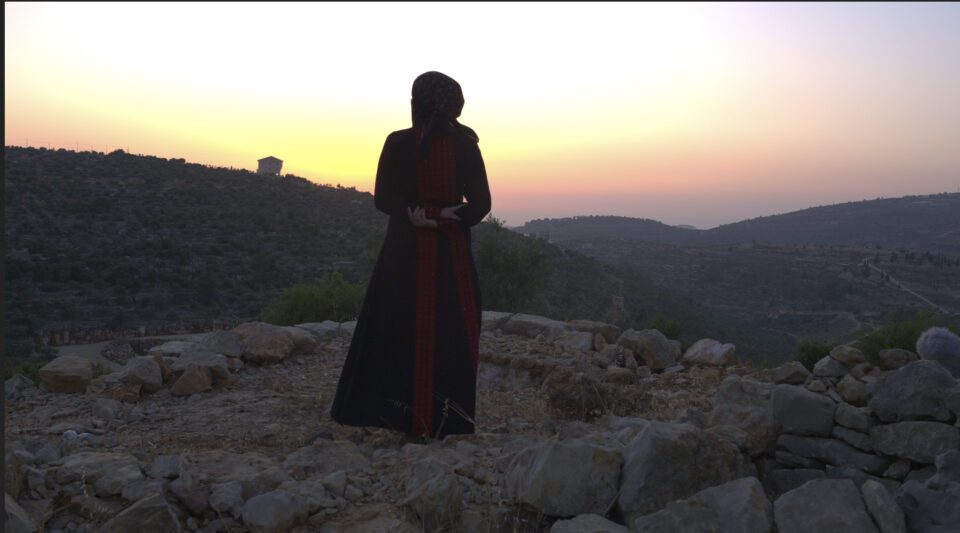
Sound functions as more than accompaniment within the installation. Low frequencies vibrate through the space, collapsing distance between subject and object. Listening becomes an embodied act that resists passive consumption. This focus reflects the artists’ long-standing interest in how bodies are disciplined and regulated within systems of control. Against this backdrop, breath, voice and rhythm emerge as gestures of endurance. The exhibition foregrounds sensation as a site of resistance rather than escape.
The curatorial framework developed by Kate Kraczon and Thea Quiray Tagle supports this complexity with notable restraint. Their long-term collaboration has allowed the project to evolve through research, teaching and archival engagement. Rather than isolating the exhibition from its institutional context, the curators situate it within broader histories of incarceration. Research undertaken at Brown into mass imprisonment in the USA informs the work. The Bell presentation, the exhibition’s only showing in the US, carries particular resonance within a country defined by expansive carceral systems.
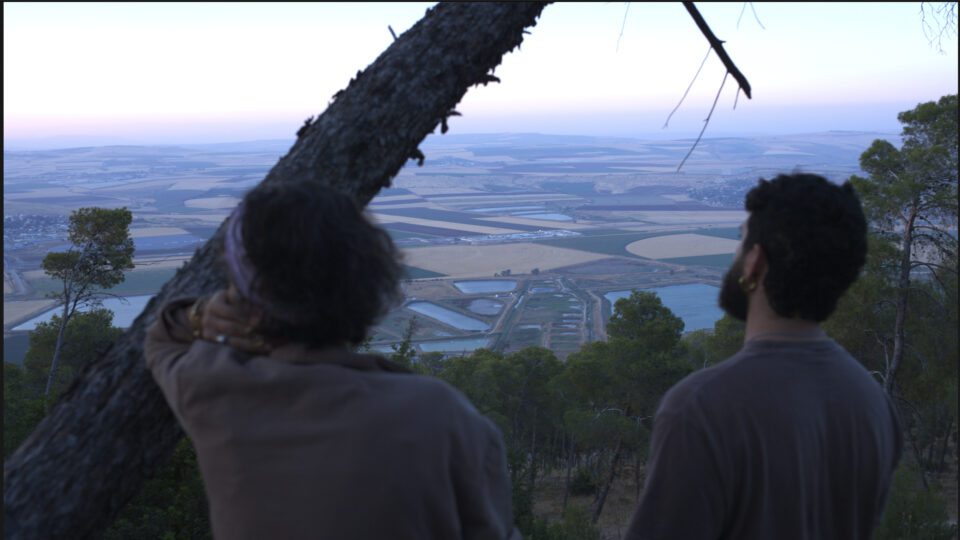
Abbas and Abou-Rahme’s practice can be situated within a wider field of contemporary artists who interrogate power through media and spatial strategies. Hito Steyerl offers a clear point of reference through her analysis of images circulating within regimes of surveillance and militarisation. Walid Raad’s work provides another parallel, particularly in its questioning of archival authority and historical truth. A further context can be found in Forensic Architecture’s assembly of fragments to expose state violence. Abbas and Abou-Rahme share these concerns while operating in a distinctly poetic register.
What ultimately distinguishes Prisoners of Love is its insistence on intimacy. Despite engaging with vast geopolitical structures, the exhibition remains grounded in individual voices and embodied experience. Carceral materials are held in tension as carriers of memory. The installation refuses resolution, leaving viewers suspended between presence and absence. The freedom invoked in the title remains a horizon rather than a destination. Through sound, poetry and fragmentary testimony, Abbas and Abou-Rahme affirm that even within systems designed to contain and erase, other temporalities continue to unfold.
Prisoners of Love: Until the Sun of Freedom is at The Bell, Providence from 19 February – 31 May: bell.brown.edu
Words: Simon Cartwright
Image Credits:
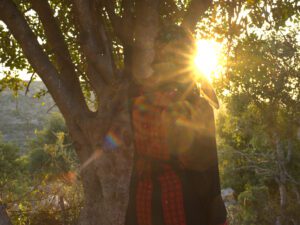
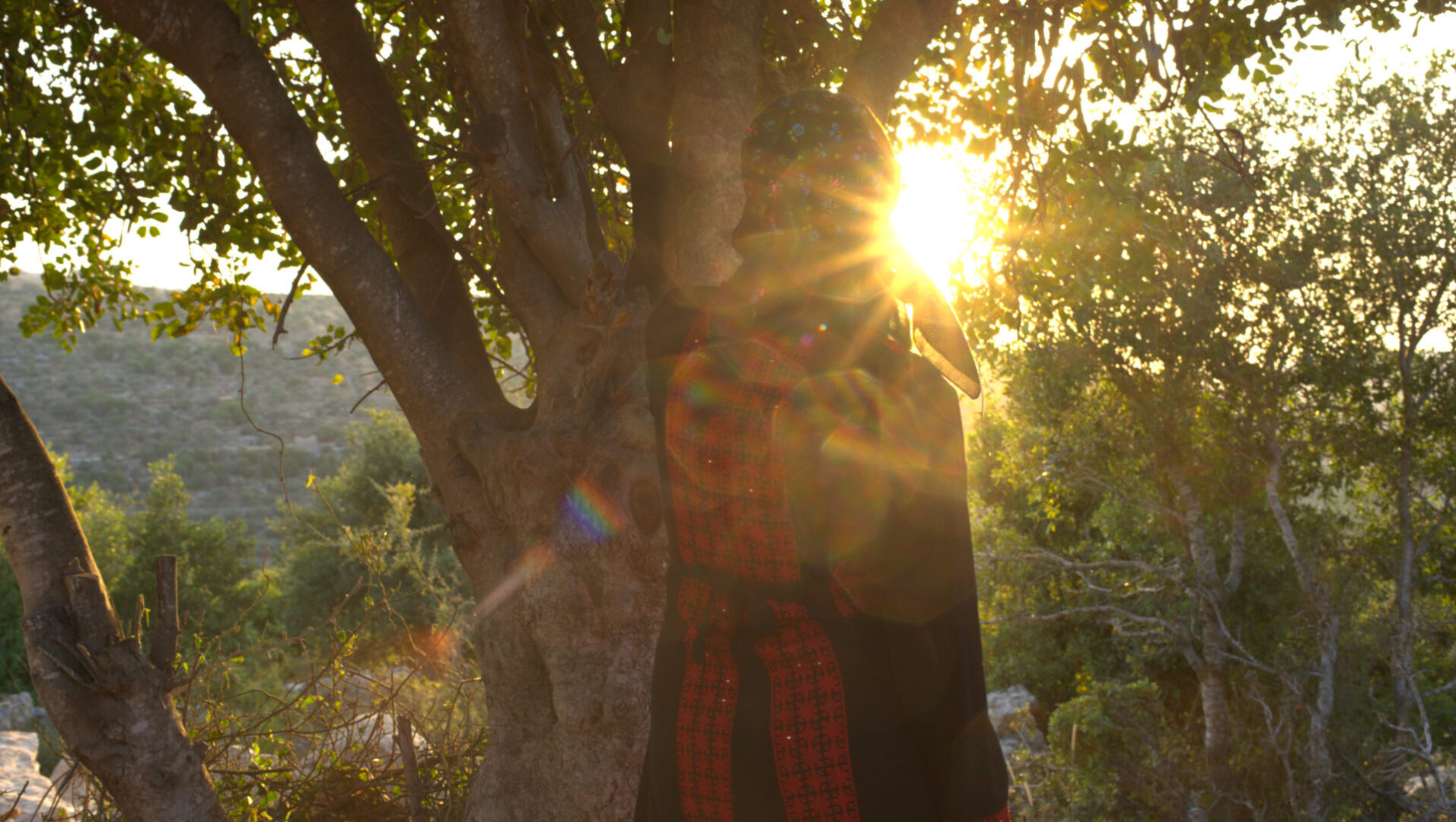
Basel Abbas and Ruanne Abou-Rahme, Still from Prisoners of Love (working title), 2025. Courtesy of the artists.