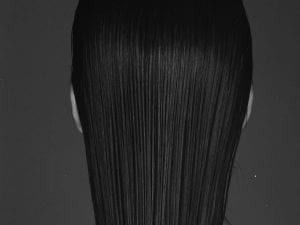
Before photography became a global language of instant circulation, it was a slower act of attention, rooted in patience and presence. Graciela Iturbide has spent more than five decades working within this slower register, allowing images to form through proximity rather than pursuit. Her photographs do not seek to explain the world but to dwell within it, attentive to gesture, ritual and the quiet intelligence of everyday life. Birds hover, shadows stretch, and bodies occupy space with a sense of myth that never drifts into fantasy. It is this balance between intimacy and symbolism that gives her work its lasting force. At C/O Berlin, Eyes to Fly With offers a rare opportunity to encounter that vision in full.
Opening on 7 February 2026 and running until 10 June, the exhibition takes over the galleries of C/O Berlin Foundation at Amerika Haus. Developed in close collaboration with Iturbide herself, it brings together around 250 works spanning from the late 1960s to the present-day. Vintage prints, contact sheets, rarely shown colour photographs and her iconic black-and-white images are presented in dialogue rather than chronology. The setting of Amerika Haus lends additional resonance to the work on view. This is the first major retrospective of Iturbide’s practice in Berlin, and its scale reflects her significance.
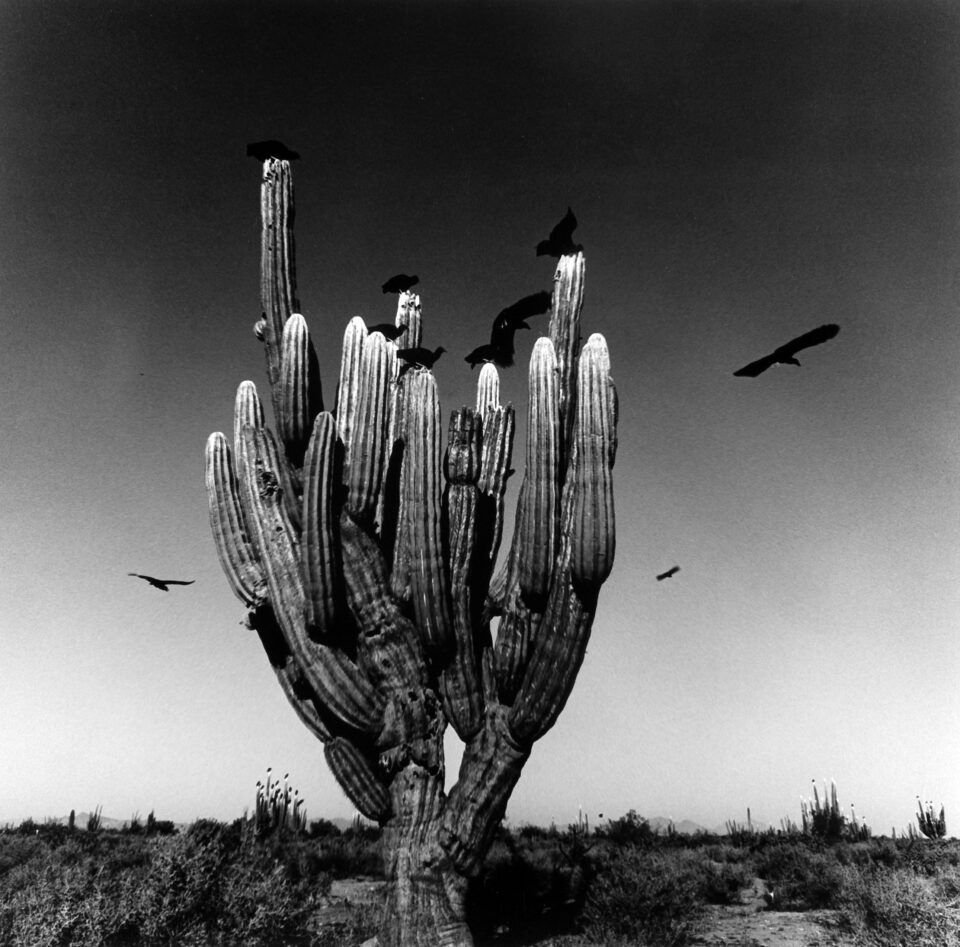
Born in Mexico City in 1942, Iturbide initially studied film directing at the Universidad Nacional Autónoma de México. Photography entered her life during this period and quickly eclipsed cinema as her primary mode of expression. Her early work as an assistant to Manuel Álvarez Bravo proved formative, shaping her understanding of photography as both poetic and grounded in lived reality. From him, she absorbed a sensitivity to symbolism and silence, yet she soon forged an independent path. Rather than observing communities from the outside, Iturbide embedded herself within them over extended periods. This approach established a practice built on trust, reciprocity and deep attentiveness.
In recent years, Iturbide’s work has been reassessed through a series of major international exhibitions that underscore her global relevance. Fondation Cartier in Paris presented a major retrospective in 2022 that foregrounded the spiritual dimensions of her imagery. This was followed by an expansive exhibition at the Museo de Arte Moderno in Mexico City in 2023, reaffirming her central role in shaping the country’s visual culture. In 2024, The Photographers’ Gallery in London introduced her work to new audiences attuned to questions of gender and representation. The International Center of Photography in New York continued this trajectory with a comprehensive exhibition in 2025. The Berlin retrospective builds on this momentum, situating Iturbide within a broader European discourse on documentary and authorship.
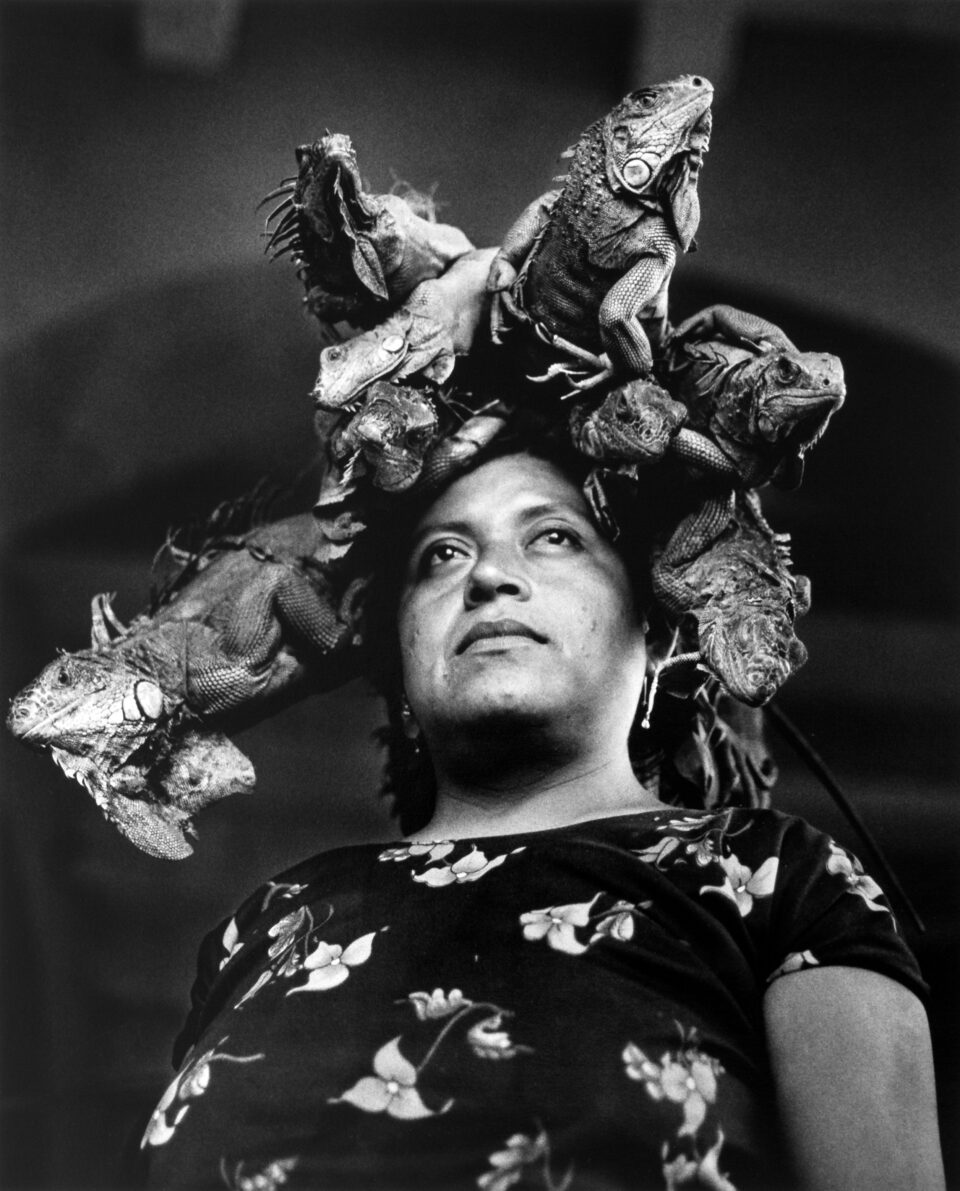
One of the defining themes of Iturbide’s practice is her sustained exploration of women’s lives and social power. Her landmark series Juchitán de las Mujeres, produced in the late 1970s, remains a touchstone in the history of feminist photography. Photographing the Zapotec community in Oaxaca, Iturbide depicts a matriarchal society in which women dominate economic and public life. These images resist idealisation, instead revealing complexity, humour and authority in equal measure. Gender appears fluid and performative, shaped by ritual and daily labour rather than fixed roles. Through this work, Iturbide challenges Western assumptions about femininity and social hierarchy.
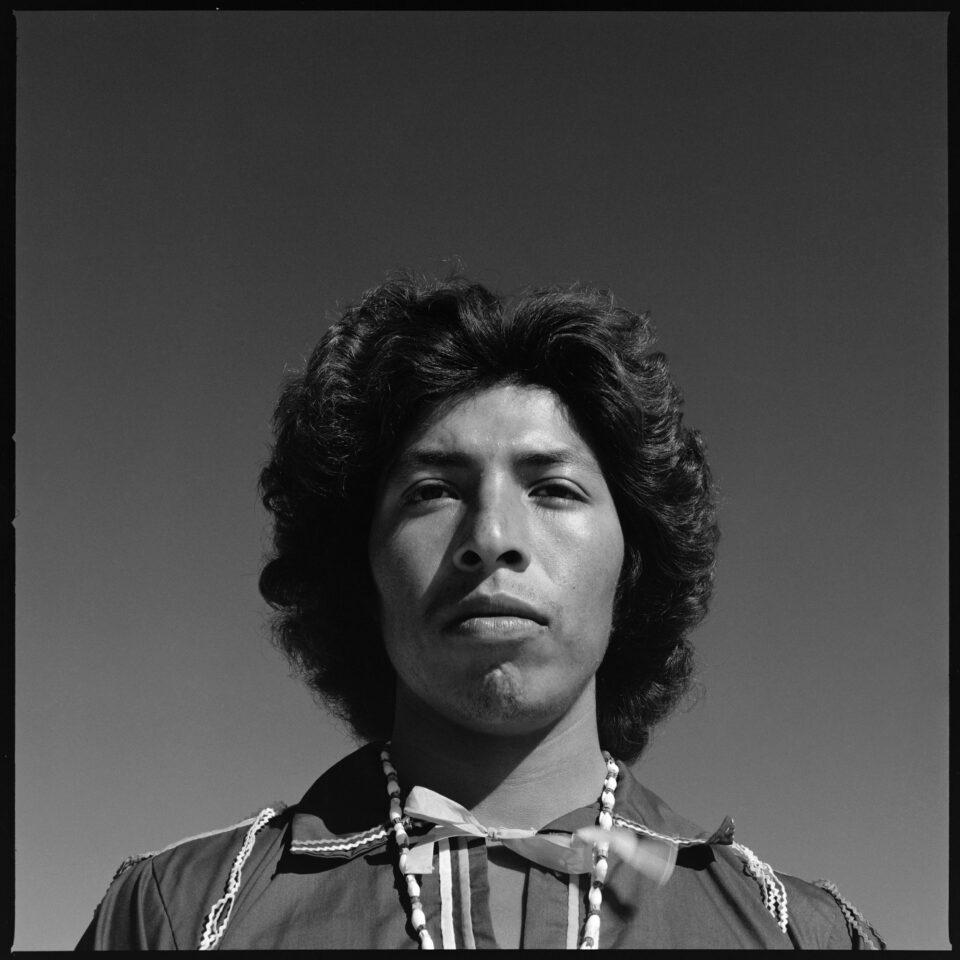
Ritual and belief recur throughout the exhibition as central structuring forces. In La Matanza, Iturbide documents the slaughtering of goats in the Mixteca region, confronting the viewer with cycles of life and death shaped by colonial history and survival. The photographs are stark yet restrained, allowing dignity to coexist with brutality. Her earlier work with the nomadic Seri people of north-western Mexico similarly explores ways of life defined by movement and resistance to conformity. These images offer insight into cultures shaped by continuity. Tradition is presented as lived experience rather than spectacle.
Urban space and migration come into focus in White Fence, a project Iturbide pursued over more than three decades. Photographing cholos and cholas within Mexican-American communities, particularly in East Los Angeles, she examines identity as something negotiated across borders and generations. The fence becomes a recurring motif, both literal and symbolic, marking separation and belonging at once. Her subjects are presented with dignity, their self-fashioning shaped by heritage and marginalisation. These photographs complicate dominant narratives of migration by foregrounding continuity as much as rupture. Community emerges not as a fixed entity but as an evolving process.
In her attentiveness to ritual, marginality and female experience, Iturbide’s work sits within a wider lineage of women photographers who have reshaped documentary practice. Cristina García Rodero’s visceral studies of religious festivals echo Iturbide’s fascination with belief systems embodied through the body. Chilean photographer Paz Errázuriz shares her ethical commitment to long-term engagement with marginalised communities, prioritising trust over access. Rineke Dijkstra’s psychologically charged portraits, though formally restrained, parallel Iturbide’s interest in vulnerability and transition.
A quieter yet deeply affecting section of the Berlin exhibition centres on Iturbide’s photographs of Casa Azul, the former home of Frida Kahlo. Rather than monumentalising Kahlo’s legacy, Iturbide turns her attention to personal traces left behind. Clothing, domestic objects and empty rooms become carriers of presence and absence. The images hover between life and death, pain and endurance, echoing themes that run throughout her practice. They speak to creativity shaped through suffering without resorting to myth. In doing so, they reaffirm Iturbide’s sensitivity to what remains unseen.
Returning to Berlin, Eyes to Fly With feels particularly resonant within a city shaped by histories of division and renewal. Curated by Sophia Greiff with guest curator Melissa Harris, the exhibition resists linear storytelling in favour of thematic conversation. Images from different decades are allowed to echo across time, underscoring the coherence of Iturbide’s vision. Her photographs remind us that seeing is an active, ethical act. In an era saturated with images, her work insists on slowness and care. At C/O Berlin, Graciela Iturbide emerges as a chronicler of culture but also one of photography’s most enduring poetic voices.
Graciela Iturbide: Eyes to Fly With is at C/O Berlin from 7 February – 10 June: co-berlin.org
Words: Anna Müller
Image Credits:
1. Sahuaro, Sonoran Desert, Mexico, 1979.
2. Mujer ángel, Sonoran Desert, Mexico, 1979.
3. Nuestra Señora de las Iguanas, Juchitán, Oaxaca, Mexico, 1979.
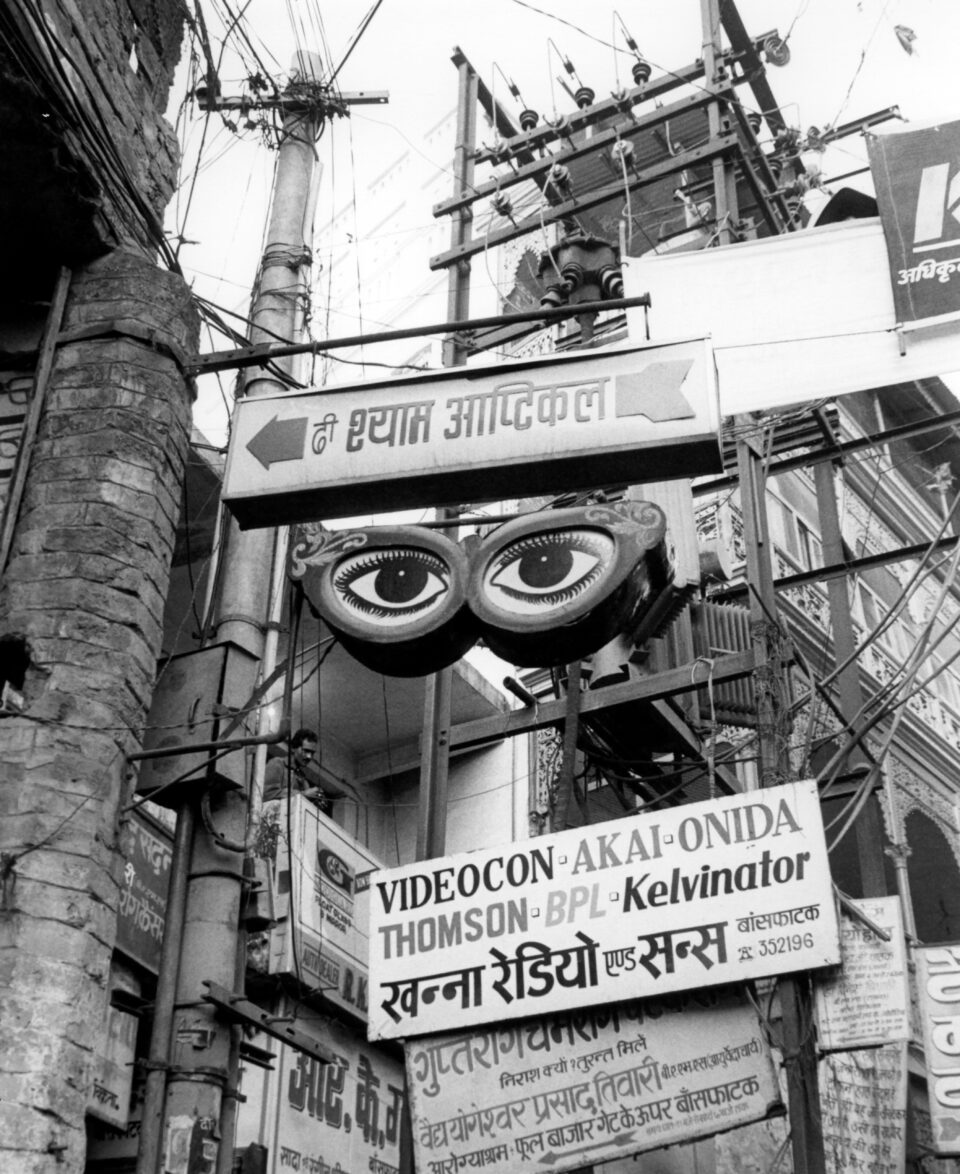
4. Homenaje a Manuel Álvarez Bravo, Varanasi, India ,1998
5. Desierto de Sonora, Mexico, 1979.