At the start of 2025, we recommended twelve UK exhibitions – one for each month – to look forward to for the year ahead. Now, we’re looking back, adding 10 more global shows to that list. From architecture to photography, these additional selections stand out for their resonance: for amplifying voices marginalised within the canon, honouring posthumous legacies, and telling powerful life stories through sculpture.
Tyler Mitchell: Wish This Was Real, Various Locations
Wish This Was Real kicked off at C/O Berlin in 2024, but made its way across Europe in 2025, stopping at the Finnish Museum of Photography in Helsinki, Lausanne’s Photo Élysée and the Maison Européenne de la Photographie, Paris. It was accompanied by a definitive early-career monograph, published by Aperture – an astonishing achievement for a photographer at 30-years-old. Mitchell rose to prominence in the fashion world, becoming the first Black photographer to shoot the cover of Vogue in 2018. Since then, he’s remained prolific, going from strength to strength and establishing body of work that centres around beauty, style, utopia and the outdoors. He’s dedicated to breaking down traditional definitions of “fashion” and “fine art”, and expanding representations of Black life and masculinity through portraiture.
The Architecture of Sou Fujimoto: Primordial Future Forest at Mori Art Museum
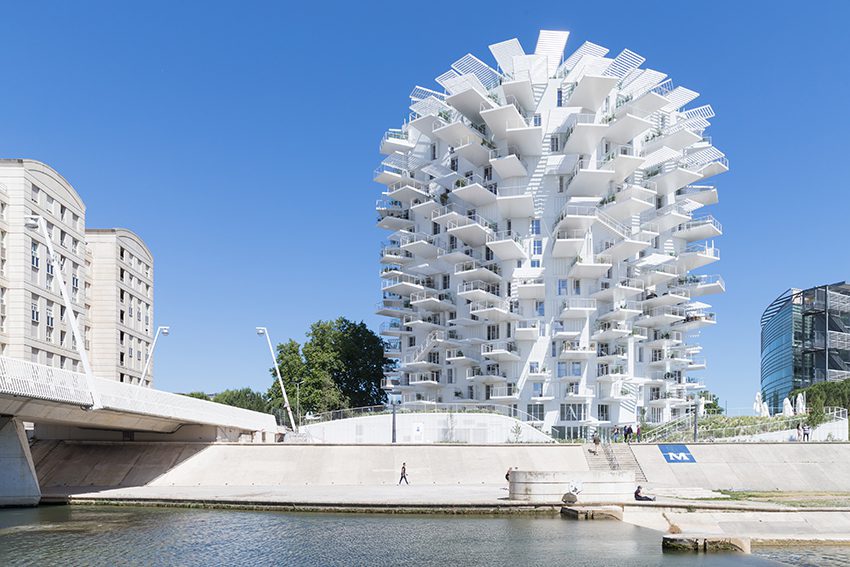
Sou Fujimoto (b. 1971) is one of the most influential architects of our times. He is particularly renowned for nature-inspired designs; amongst the most celebrated projects are the L’Arbre Blanc (2019) housing complex in Montpellier, France, and the Serpentine Pavilion 2013 in London. This year, Tokyo’s Mori Art Museum presented the first major survey of Fujimoto’s work. Audiences saw the usual design-exhibition fare: scale models, plans and photos of completed exhibits. But Mori took curation a step further with large-scale, immersive exhibits – offering audiences the chance to experience Fujimoto’s designs in 360 degrees. This was an innovatively-curated show that charted the course of a seriously exciting architect.
Helen Chadwick: Life Pleasures, The Hepworth Wakefield
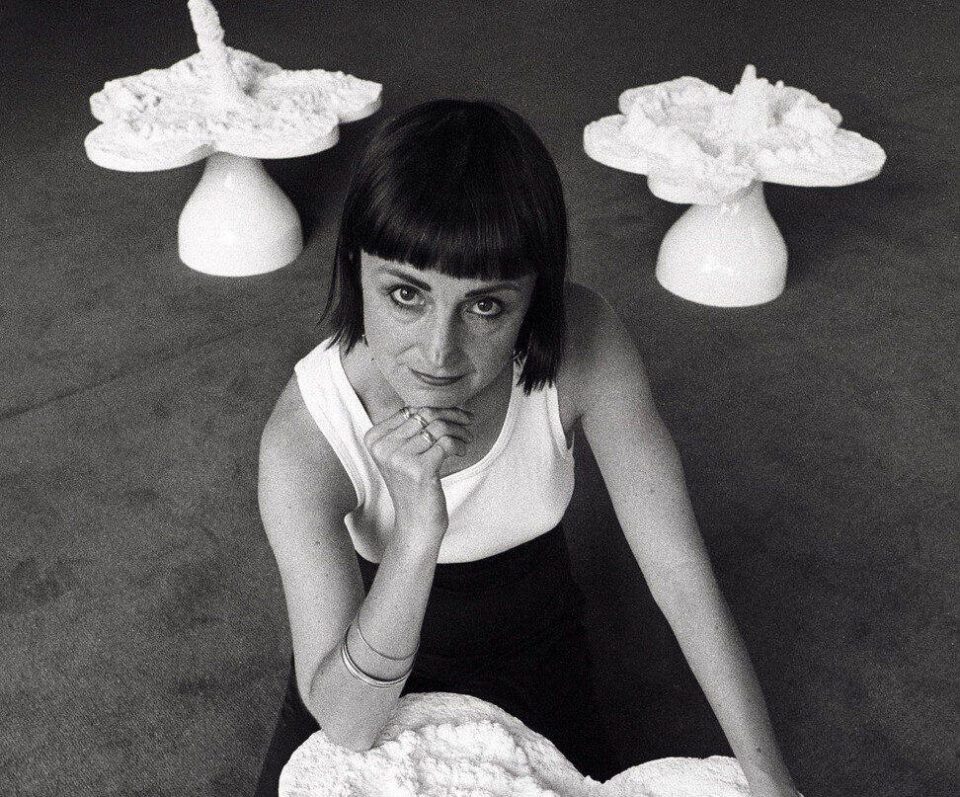
In May, The Hepworth Wakefield opened Life Pleasures, the first major retrospective of Helen Chadwick (1953-1996) in over 25 years. Chadwick’s practice was a maelstrom of unexpected materials: fur, hair, bubble bath, blankets, mattresses, milk, oysters, meat, window cleaner, engine oil, earthworms and carcasses. During her life, cut too short in 1996, she established herself as a taboo-breaker and trailblazer: unafraid to confront beauty, decay, mortality – and the contradictions of being a woman in the world. The Hepworth’s show highlighted her huge cultural impact, and was filled with installations that glooped, digested and decayed in real-time – colliding aesthetic beauty with “grotesque” materials.
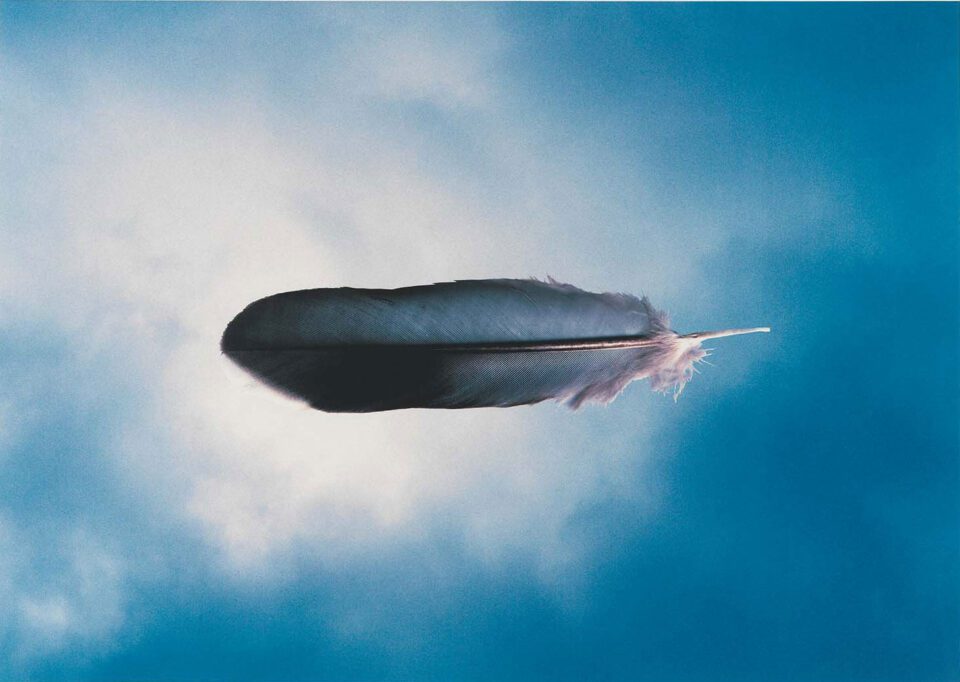
Snap Blak at Queensland Art Gallery
Snap Blak brought together contemporary Aboriginal and Torres Strait Island photography and championed Indigenous self-representation. The show featured artists including Brenda L. Croft, Destiny Deacon, Fiona Foley, Michael Riley, Tracey Moffatt and Tony Albert. Each image subverted a long history of settlers and colonisers weaponising the camera, as an instrument of disempowerment and misrepresentation, with pictures often perpetuating harmful stereotypes. Here, photography became a means to reassert identity, cultural continuity and belonging. This show offers an important example of curation that asserts visual sovereignty, resists prevalent stereotypes and foregrounds representation.
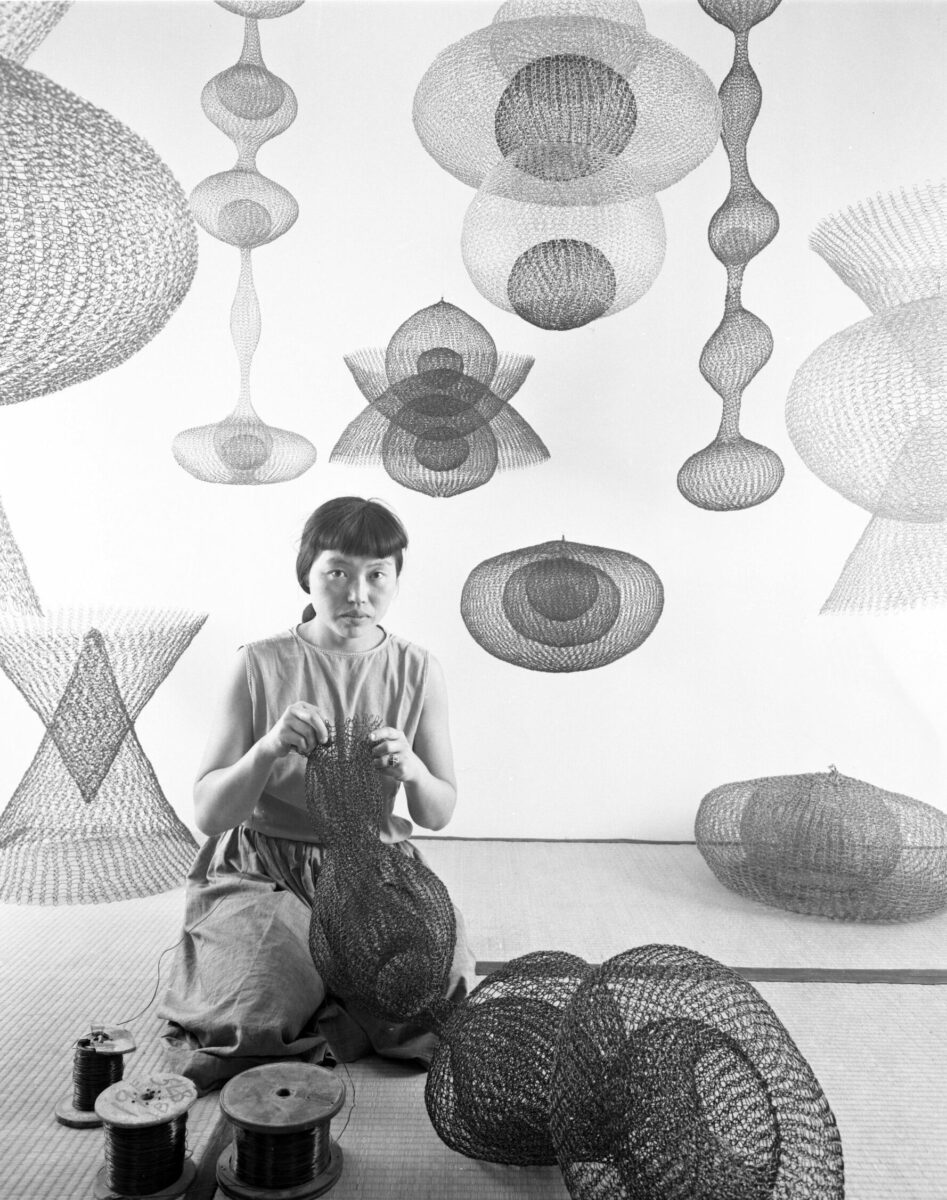
Ruth Asawa: Retrospective at SFMOMA
“An artist is not special. An artist is an ordinary person who can take ordinary things and make them special.” These are the words of Ruth Asawa (1926-2013), the American modernist artist and advocate best-known for her signature hanging looped-wire sculptures. A long-overdue first major international museum retrospective opened at The San Francisco Museum of Modern Art in April. It spanned over 14,000 square feet, featuring the entire spectrum of the artist’s practice: sculptures, drawings, prints, paintings, designs and archival materials. The show looked at every aspect of Asawa’s career, including her extraordinary life story, the development of her style, as well as her commitment to arts education.
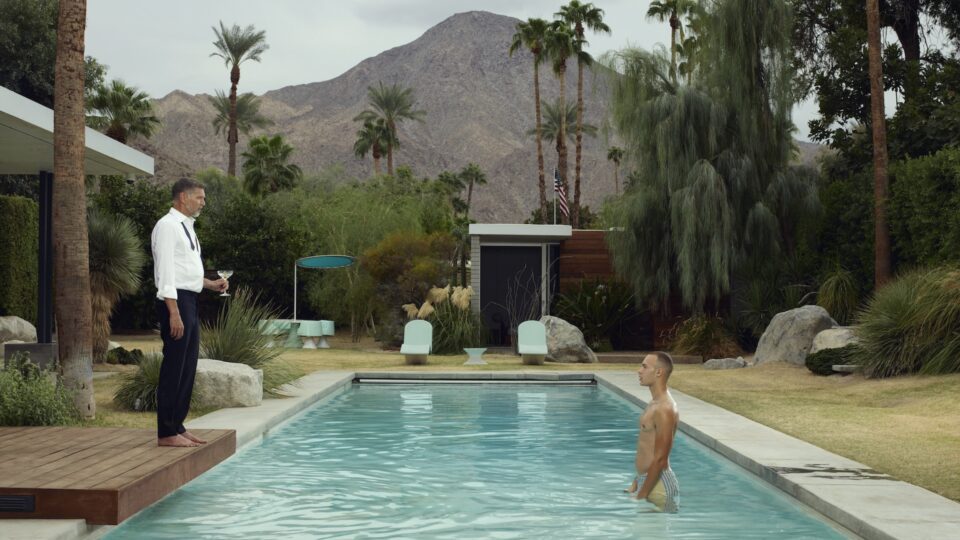
Erwin Olaf – Freedom, Stedelijk Museum
Freedom marks the first major museum retrospective of Erwin Olaf following his unexpected death in 2023. His loss was felt deeply across the art world, and this exhibition serves as a poignant tribute to his life, work and enduring influence. The show opens with candid black‑and‑white reportage from the early 1980s before unfolding into his later staged studio photography and unfinished video projects. Throughout, Olaf’s activism emerges as a constant thread: many of his series explore diversity and the freedom to live authentically. Other recurring themes include the fading promise of the American Dream, grief, the fragility of life, and the experiences of women worldwide. Known for his immaculate compositions and technical precision – as well as for the unsettling undercurrents that run beneath them – Olaf is remembered as a master of depicting, in his words, “a perfect world with a crack in it.”
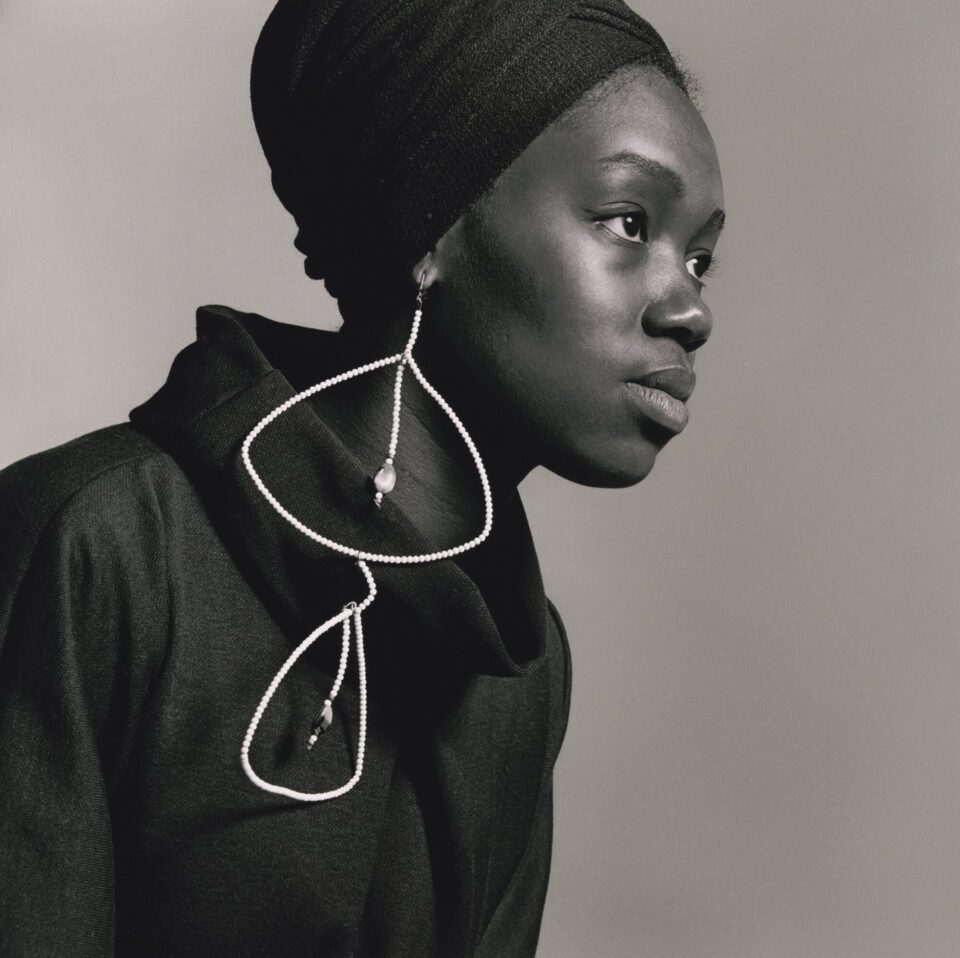
Ideas of Africa: Portraiture and Political Imagination at The Museum of Modern Art
This recently opened New York exhibition, on view until 25 July, explores how photographers and their sitters helped shape and circulate ideas of Pan‑African solidarity during the mid‑20th century. Portraits by Seydou Keïta, Malick Sidibé and Sanlé Sory capture everyday life in Bamako, Bobo‑Dioulasso and Kinshasa at a moment when decolonial change was sweeping the continent. The show also highlights the work of James Barnor and Kwame Brathwaite – image‑makers based in Europe and North America who contributed to the visual construction of Africa as a political idea. Elsewhere, contemporary works by Samuel Fosso, Silvia Rosi and Njideka Akunyili Crosby demonstrate the ongoing relevance of these themes today. An essential exhibition that celebrates the creative force and political resonance of the portrait.
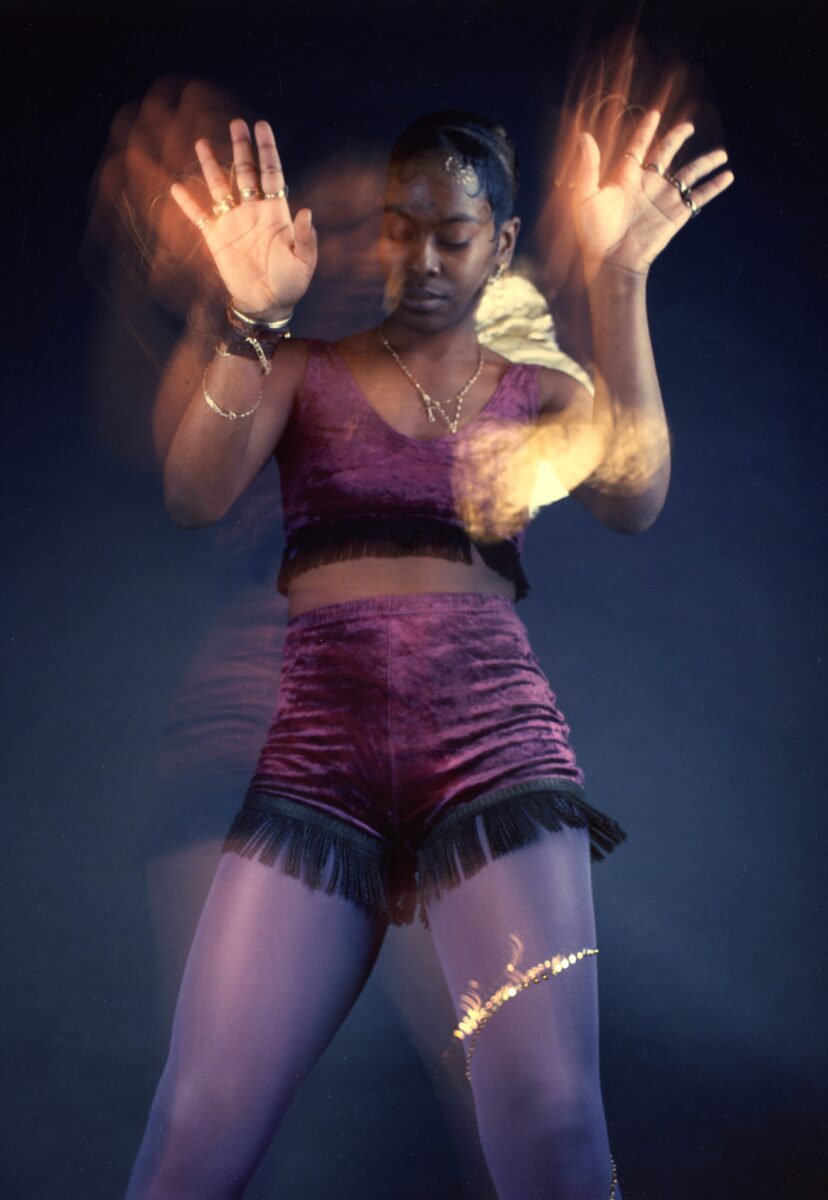
Jennie Baptiste: Rhythm & Roots at Somerset House
Jennie Baptiste (b. 1971) began documenting the fashion, music and youth culture of London’s Black British diaspora in the 1990s. In the years since, she has become a defining voice in British photography, making stand-out images of figures including Roots Manuva, Estelle, Ms Dynamite and NAS. In so doing, she has charted the rise of hip hop and R&B, all the while capturing street portraits of “everyday icons” within vibrant music cultures like London’s dancehall scene. Somerset House’s show, which runs until 4 January, is the biggest retrospective of Baptiste to date, rightfully placing her within the canon. It also features Black Chains of Icon, a conceptual series exploring themes of Black identity, resilience and legacy.
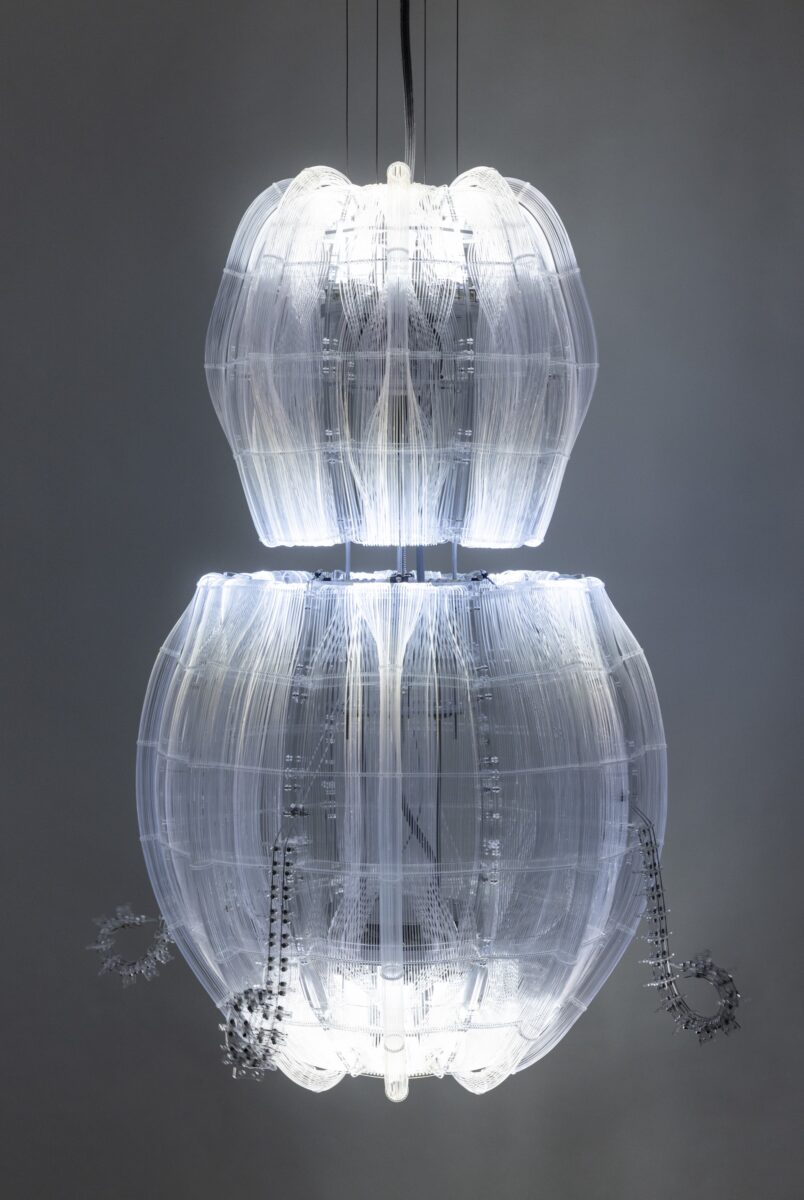
Anicka Yi: There Exists Another Evolution, But In This One at UCCA, Beijing
In a cultural moment defined by ecological crisis and the acceleration of AI, Anicka Yi’s landmark exhibition There Exists Another Evolution, But In This One offered a compelling new vision for contemporary art. The solo presentation charted nearly two decades of practice through almost 40 works, including newly commissioned pieces that extended her radical enquiry into the interface of consciousness, biology and technology. Yi has long challenged the conventions of visual culture by working with bacteria, scent and tempura-fried flora. Her work interrogates how humans define life and intelligence in an age of synthetic biology and machine cognition. Viewers entered a world where kelp pods glowed with internal light, animatronic sculptures drifted like microscopic lifeforms and the air was full of fragrance.
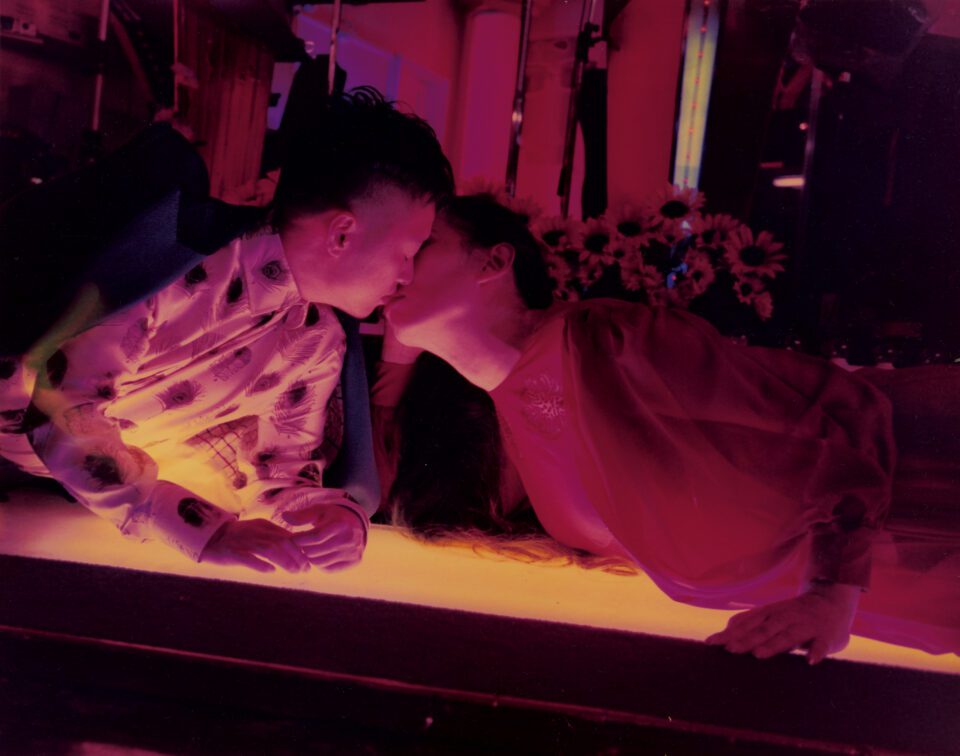
I’m So Happy You Are Here at Fotomuseum Den Haag
Daidō Moriyama. Eikoh Hosoe. Hiroshi Sugimoto. These are just a few of the Japanese photographers that have achieved world renown. Their celebrated works explore the rapid cultural and social shifts the country experienced in decades following WWII. However, the international gaze has been fixed almost exclusively upon male artists. The influence of women on the evolution of lens-based art in Japan has long been neglected. I’m So Happy You Are Here provided the first major platform for the work of 26 Japanese women photographers, including Yanagi Miwa and Okabe Momo. They offer a fresh and experimental perspective on the nation’s society and culture, using their own personal experiences to question stereotypical ideas of women, gender and identity and critique patriarchal norms.
Words: Eleanor Sutherland
Image Credits:
1. Tyler Mitchell, New Horizons II, (2022). Image courtesy the artist. ©Tyler Mitchell
2. L’Arbre Blanc (The White Tree), 2019. Montpellier, France. Photo: Iwan Baan.
3. Helen Chadwick with Piss Flowers from the exhibition Helen Chadwick: Effluvia, Serpentine Gallery, 1994 Photo: Kippa Matthews © Kippa Matthews
4. Michael Riley / Kamilaroi/Wiradjuri peoples / Australia 1960– 2004 / cloud (portfolio) (detail) 2000 / Inkjet print on banner paper / Ten sheets: various dimensions / Purchased 2002 / From the collection: QAGOMA, Brisbane / © Michael Riley Estate.
5. Artist Ruth Asawa making wire sculptures, California, United States, November 1954;image: Nat Farbman/The LIFE Picture Collection/Shutterstock; artwork: © 2025 RuthAsawa Lanier, Inc. / Artists Rights Society (ARS), New York, courtesy David Zwirner
6. Erwin Olaf, Palm Springs, American Dream, Self-Portrait with Alex I, 2018 © Estate Erwin Olaf, courtesy Ron Mandos Amsterdam.
7. Kwame Brathwaite. Untitled (Nomsa with Earrings). 1964-68. Inkjet print, printed 2018. The Museum of Modern Art, New York. Committee on Photography Fund. © 2025 Kwame Brathwaite.
8. Jennie Baptiste, Butterfly Queen, Taken from the series Ragga dancehall. (1994).
9. Anicka Yi, Nested Lung, 2023-2024, PMMA opticalfiber, LEDs, silicone, acrylic, epoxy, aluminum, stainless steel, steel, brass, motors and microcontrollers, 118.1 ×74.3 × 74.3 cm. © Anicka Yi. Photography by Andrea Rossetti, courtesy the artist, Gladstone Gallery, and Esther Schipper.
10. Okabe Momo, untitled, 2020; from the series “Ilmatar”. Courtesy artist and Aperture.