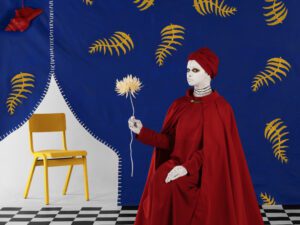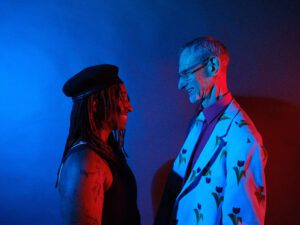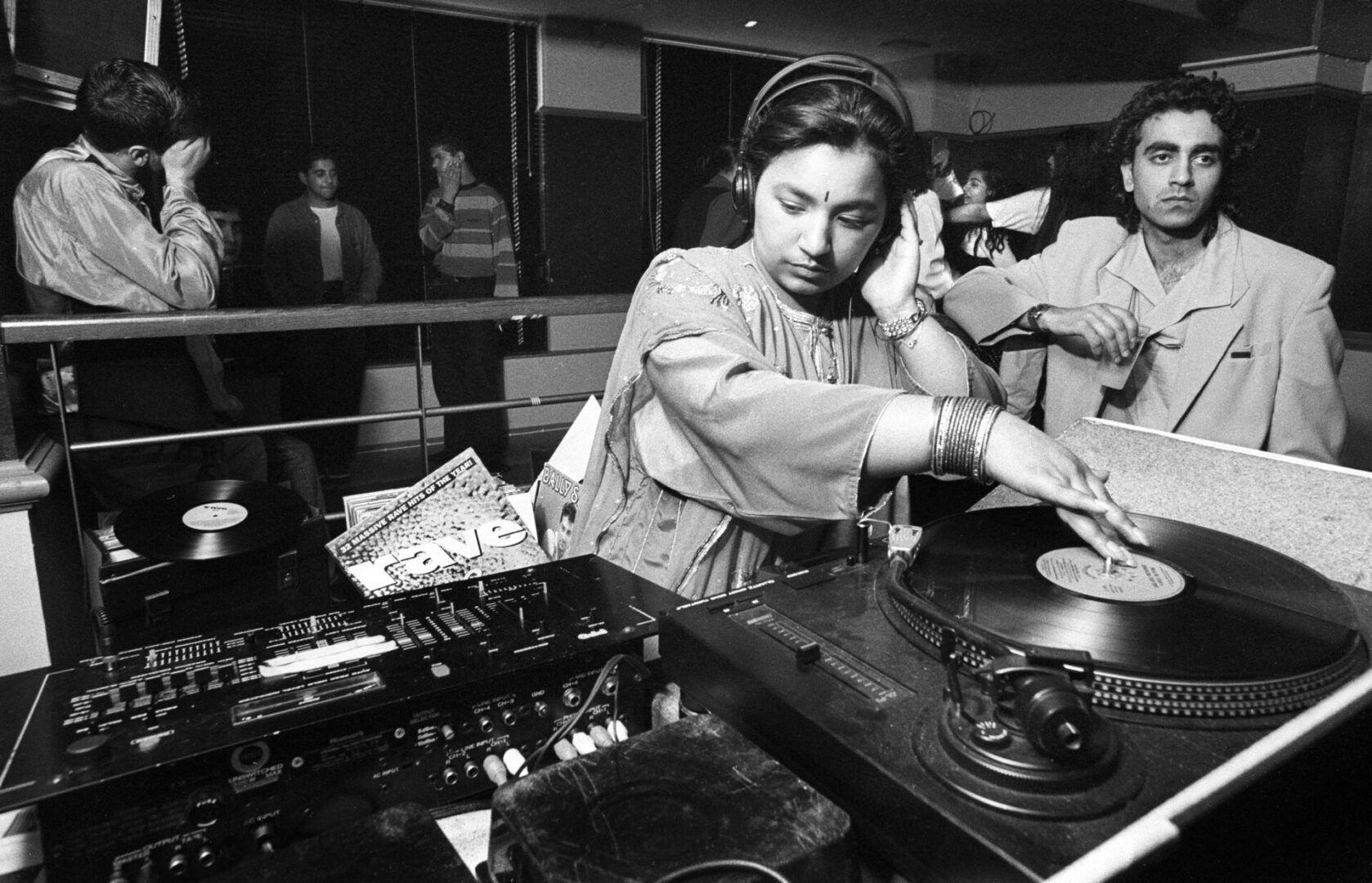
In the decades following WWII, Britain welcomed thousands of South Asian migrants, many of whom found work in the mills and factories of Northern England. By 1970, more than 20,000 Pakistanis had made their home in Bradford alone. The following decade was one marred by economic hardship, unemployment and poor housing, a landscape that saw intensified social pressure. At the same time, the National Front, a far-right, fascist political party, rose in popularity. In 1977, the party won more than 100,000 votes in a Greater London election and in Bradford, NF marches and racist street activity became a regular feature of the political landscape. In response, a confident second generation began to emerge, with the Asian Youth Movement established to mobilise young people against systemic racism and violence. Now, a landmark show as part of Bradford 2025 UK City of Culture explores how these British South Asians carved out new space in society, soundtracking their resistance against oppression with a new kind of music. Built by Sound is a mixed-reality interactive installation, guiding viewers through youth culture from the mid-1960s to the 1980s, culminating at the underground parties known as Daytimers.
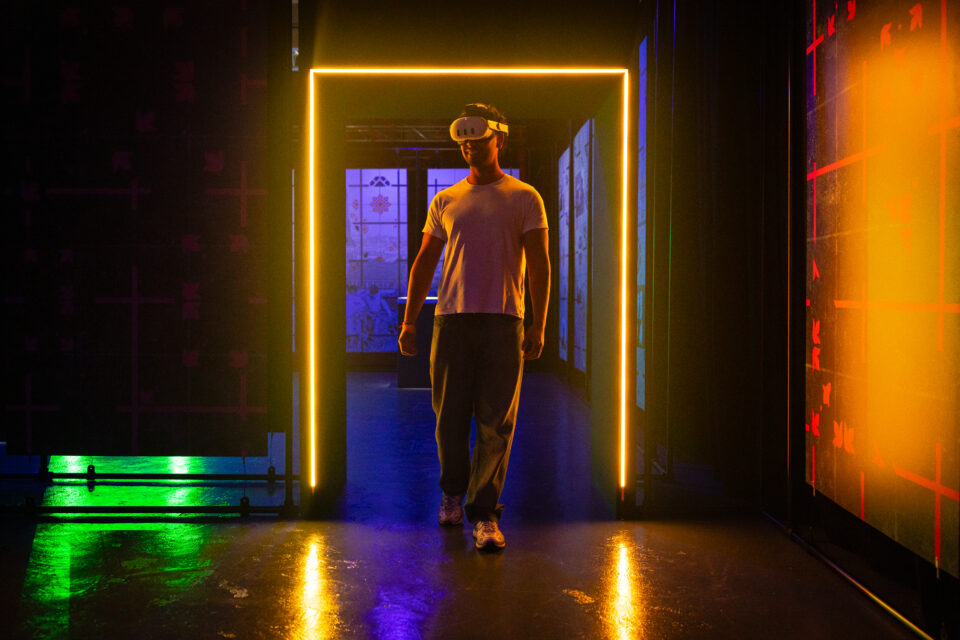
The project was co-created by Emmy award-winning immersive story studio No Ghost; Dialled In, an artist led-initative that celebrates and promotes South Asian culture; and Bradford 2025. It’s an ambitious and impressive show, brought to life through personal testimonies and archival footage, with an original score by DJ and music producer Provhat Rahman. There are some major local figures attached, bringing gravitas to the piece. The show is scripted by author Nikesh Shukla, narrated by presenter Anita Rani and directed by award-winning immersive producer Shehani Fernando. Rani says: “Being part of this project was a surprisingly powerful and emotional experience. It took me back to all the things you carry quietly when you grow up moving between different worlds. At my mostly white school, my parents were far stricter than the parents of my white friends, and my Asian mates, whose parents were even stricter, were secretly sneaking off to daytimers, creating their own youth culture and sense of freedom.”
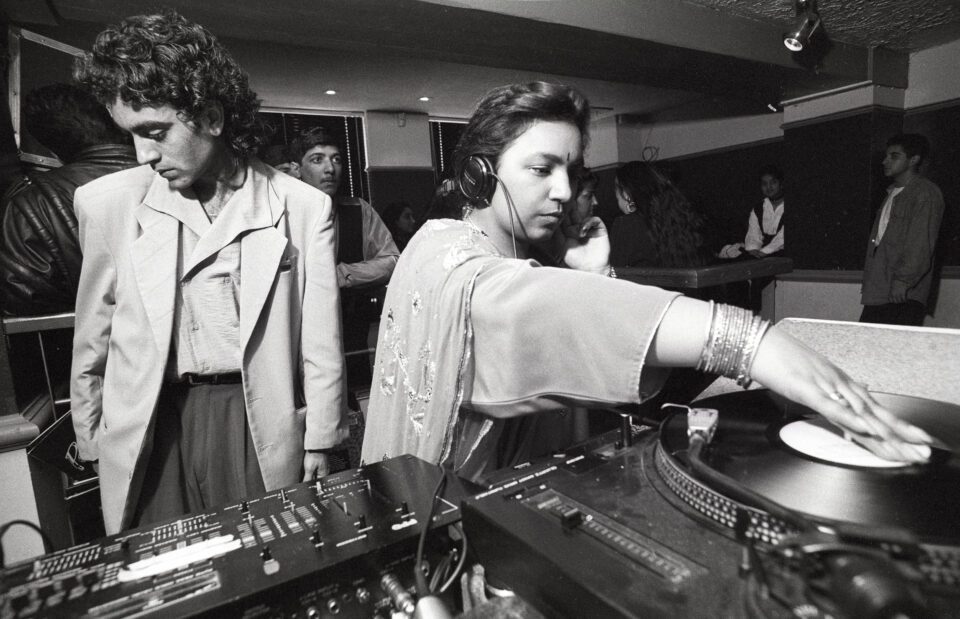
Audience members are given a headset, which guides them through a series of scenes. The space is made up of real-world elements, such as sets, sounds and lighting, mixed with virtual reality and augmented reality graphics, film and oral histories. Photographer Tim Smith’s black-and-white images also provide unrivalled and intimate glimpses into Bradford’s South Asian culture during the period. Visitors, organised into groups of four, are immersed in the domestic world of second-generation South Asian teenagers in 1970s Bradford, before they go on to witness Tony Walker’s Belle Vue photography studio, the streets of the city during the 1980s and then on to the collective joy of the Daytimer parties. Here, visitors are invited to step into the shoes of those who lived through a transformative time in Bradford’s history, uncovering the resilience and creativity of the region’s Asian community.
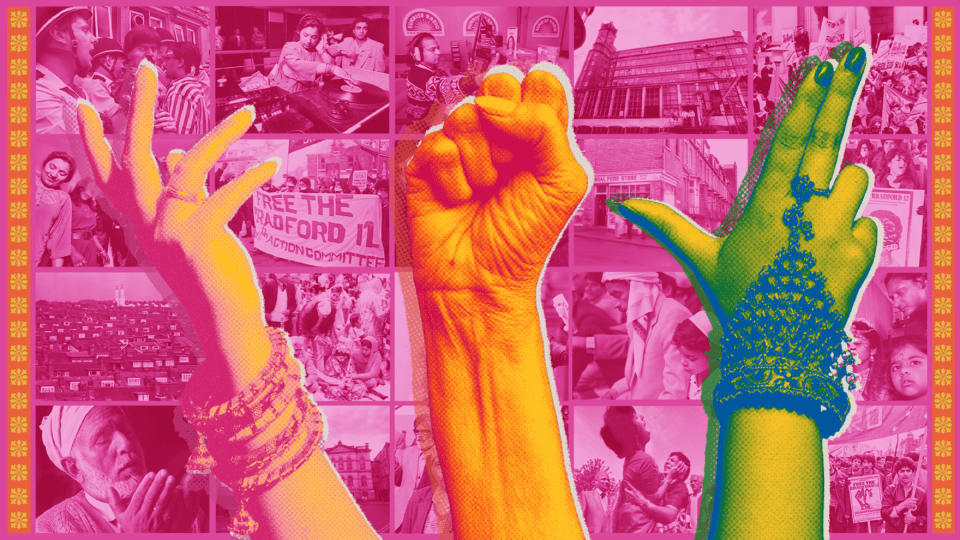
In a contemporary landscape that has seen far-right marches gain momentum across the world and racism and fascism threaten to shape the future we inherit, the exhibition is vital and timely. There is no doubt that we are living in an uncertain moment, and the voices and testimonies that came before can be a guiding light for existing in such times. As author Nikesh Shukla aptly says: “With rising fascism, with racists attacking people on the streets, with our politicians kowtowing to far right parties in search of popularity, it feels like an apt time to look to the past for inspiration.” It’s an empowering thought, allowing audiences to claim agency and feel a sense of kinship with those from previous generations who protested, resisted and campaigned. “Experience the movement and walk out emboldened, ready to fight.”
Built by Sound is at Loading Bay, Bradford until 14 December: bradford2025.co.uk
Words: Emma Jacob
Image Credits:
1. Rani Kaur, aka Radical Sista, DJing in the early 1990s. Photo by Tim Smith.
2. © Andrew Benge.
3. Rani Kaur, aka Radical Sista, DJing in the early 1990s. Photo by Tim Smith.
4. No Ghost, Dialled In and Bradford 2025 UK City of Culture.