

The shared history between plants and photography runs deep. In the mid-1800s, botanist Anna Atkins published the first-ever photobook: a collection of cyanotypes depicting British algae. By the 20th century, notable contributors to the field included Karl Blossfeldt and Imogen Cunningham, celebrated for their close-up depictions of specimens. Fast forward to today, and Debora Lombardi, an architect and visual designer, is making her mark on the genre. These pictures use the technique of ultraviolet-induced visible fluorescence to reveal pigments hidden within flowers, which emit a mesmerising glow when under UV light. Across the following pages, you’ll see common dandelions, daisies and ivy emerge from deep darkness, as if charged with electricity. Lombardi approaches image-making with scientific rigour and curiosity, capturing details with precision. Under her lens, every petal, vein and grain of pollen is rendered in astonishing clarity. @bibadesign_uvivf
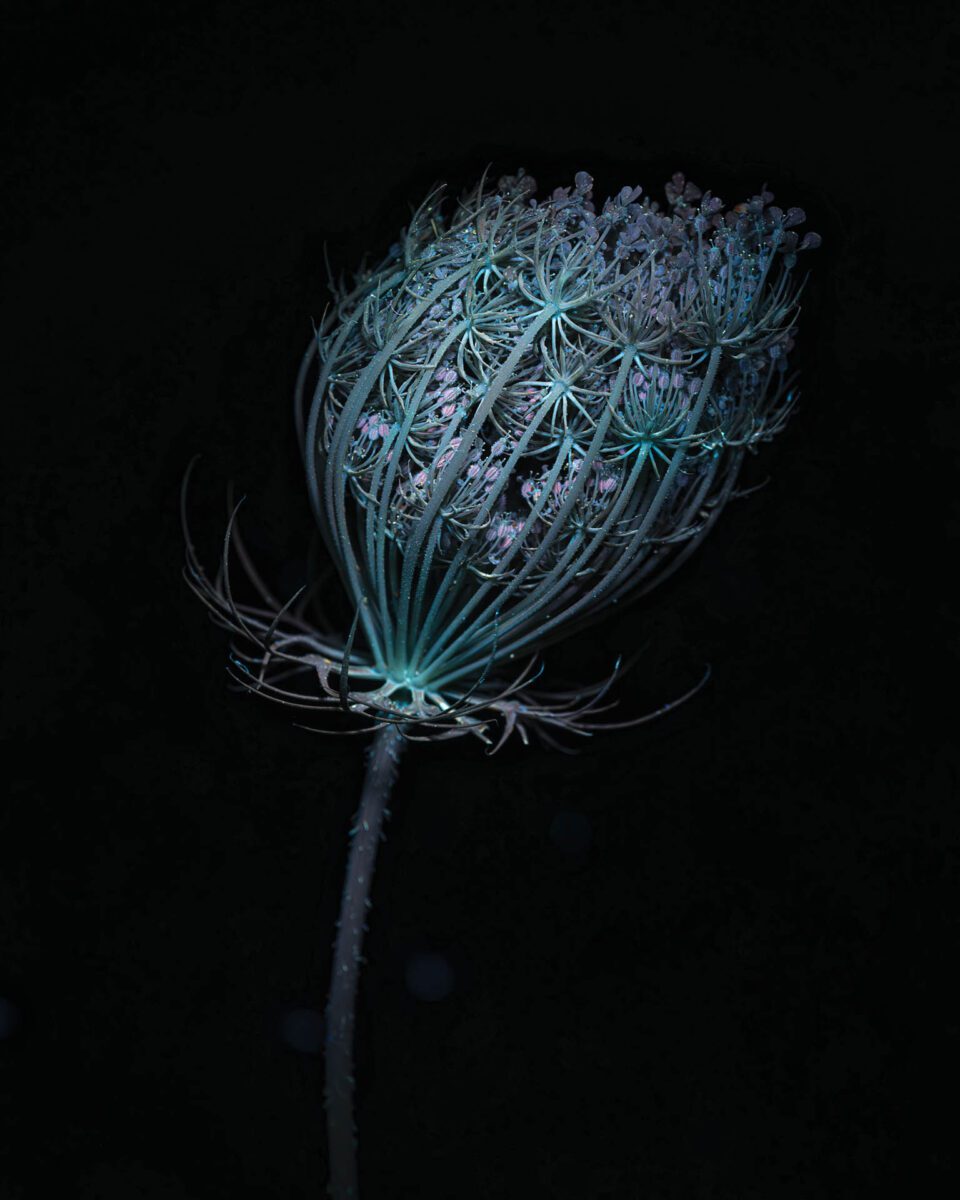
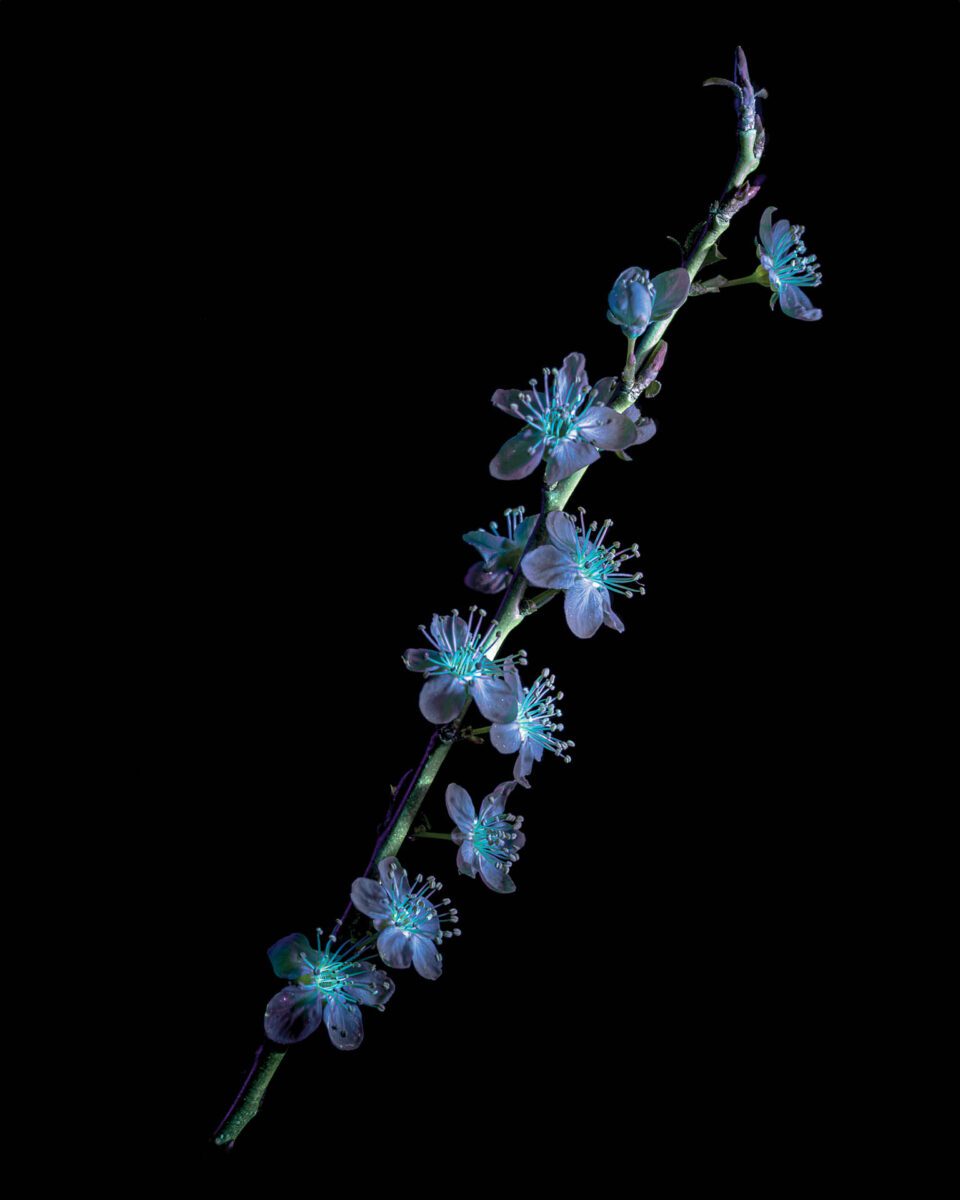
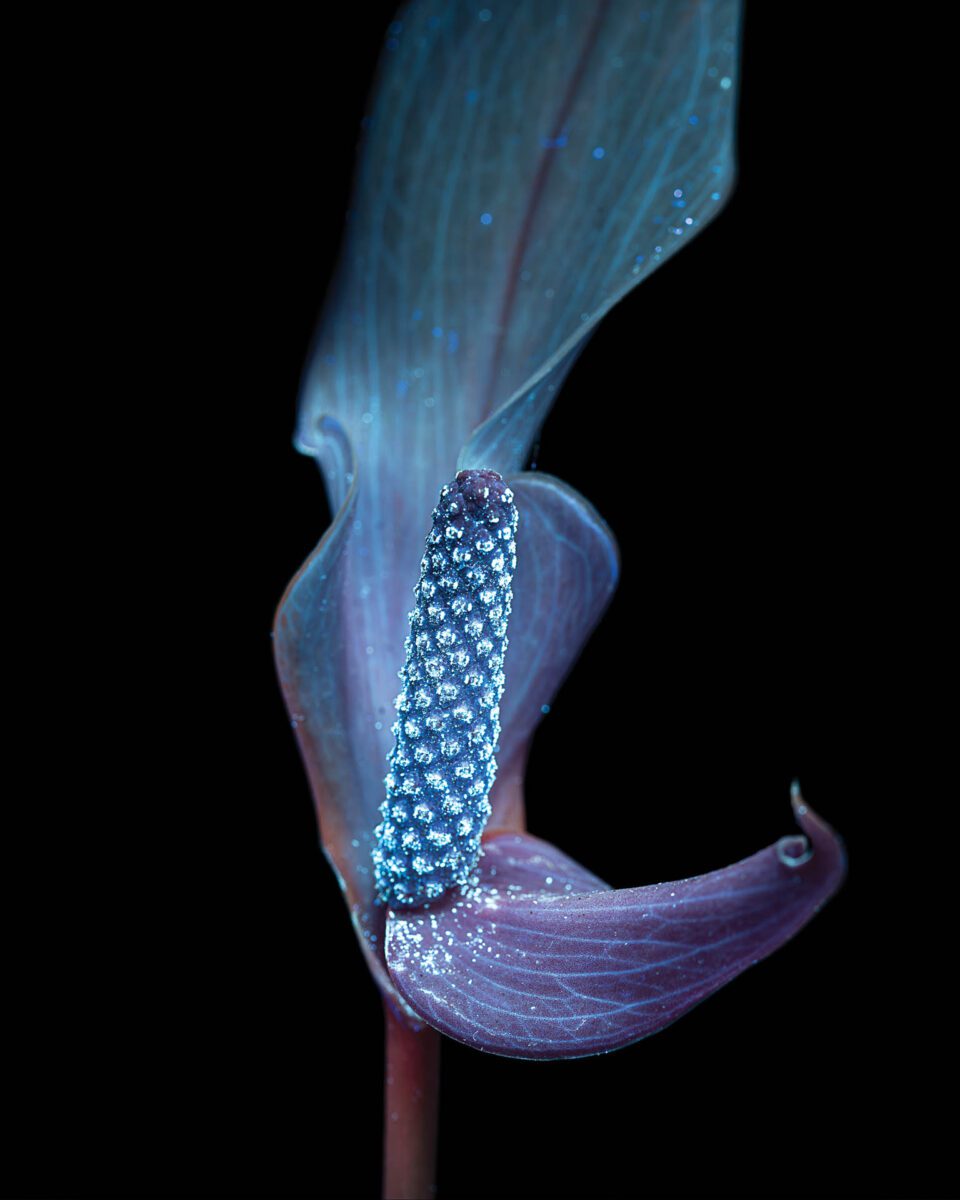
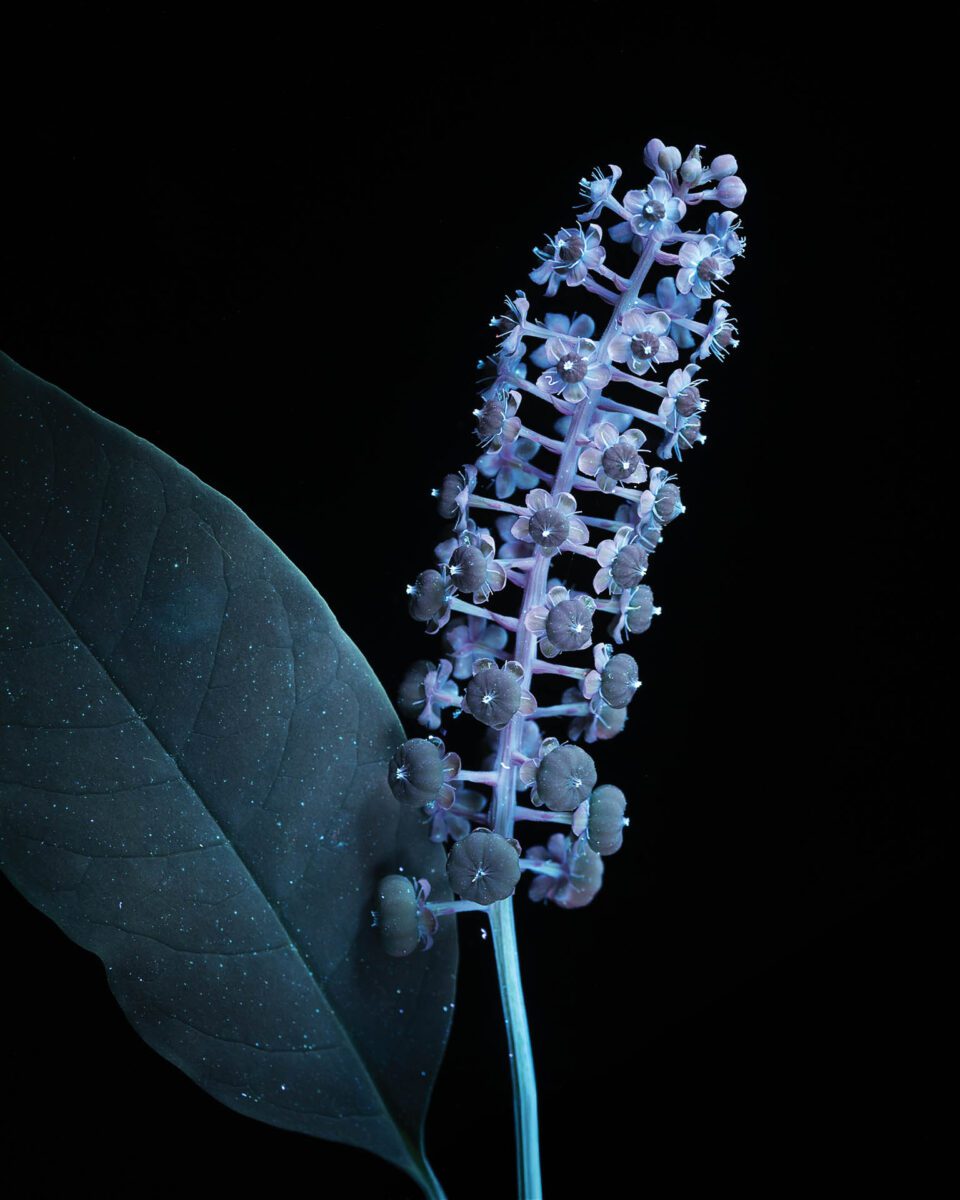
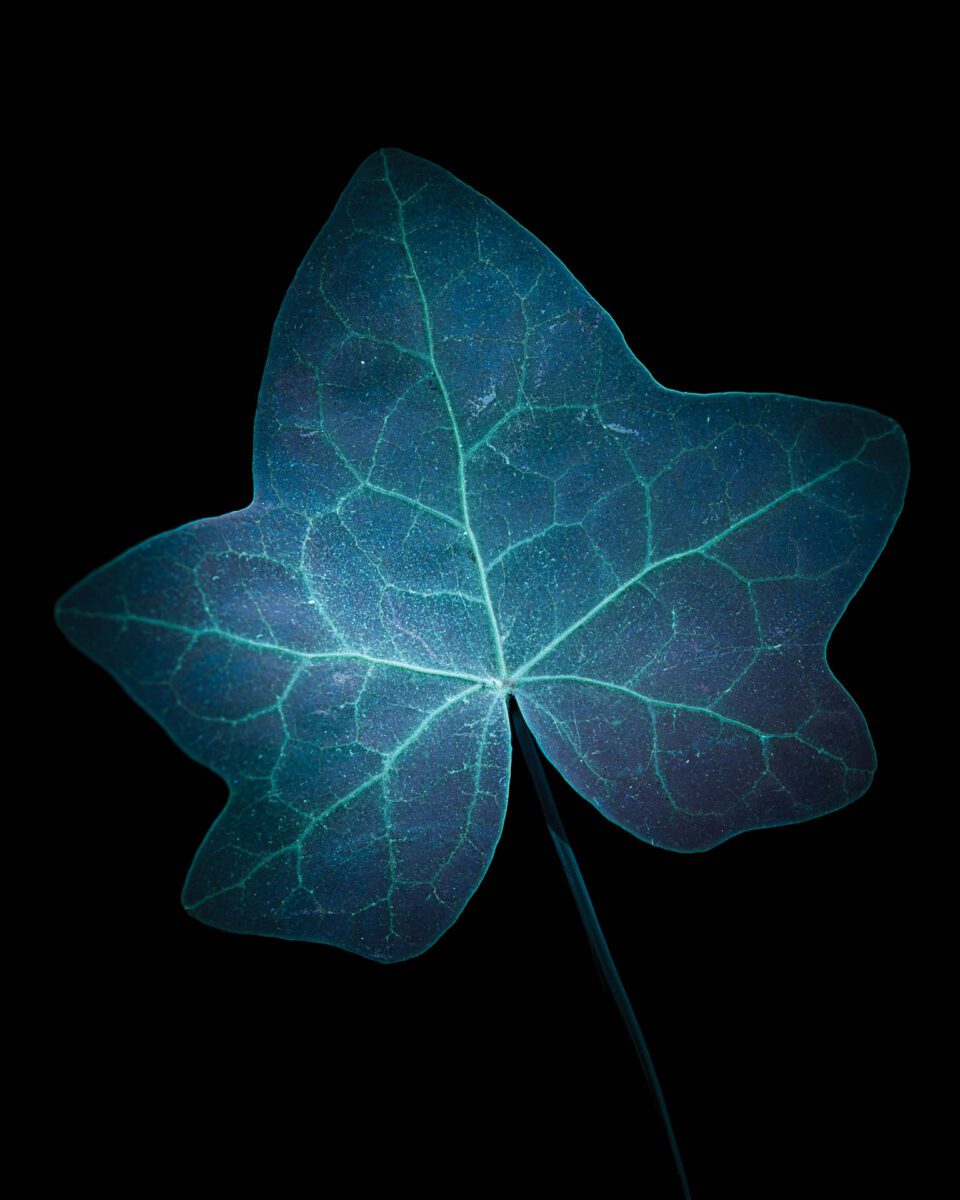
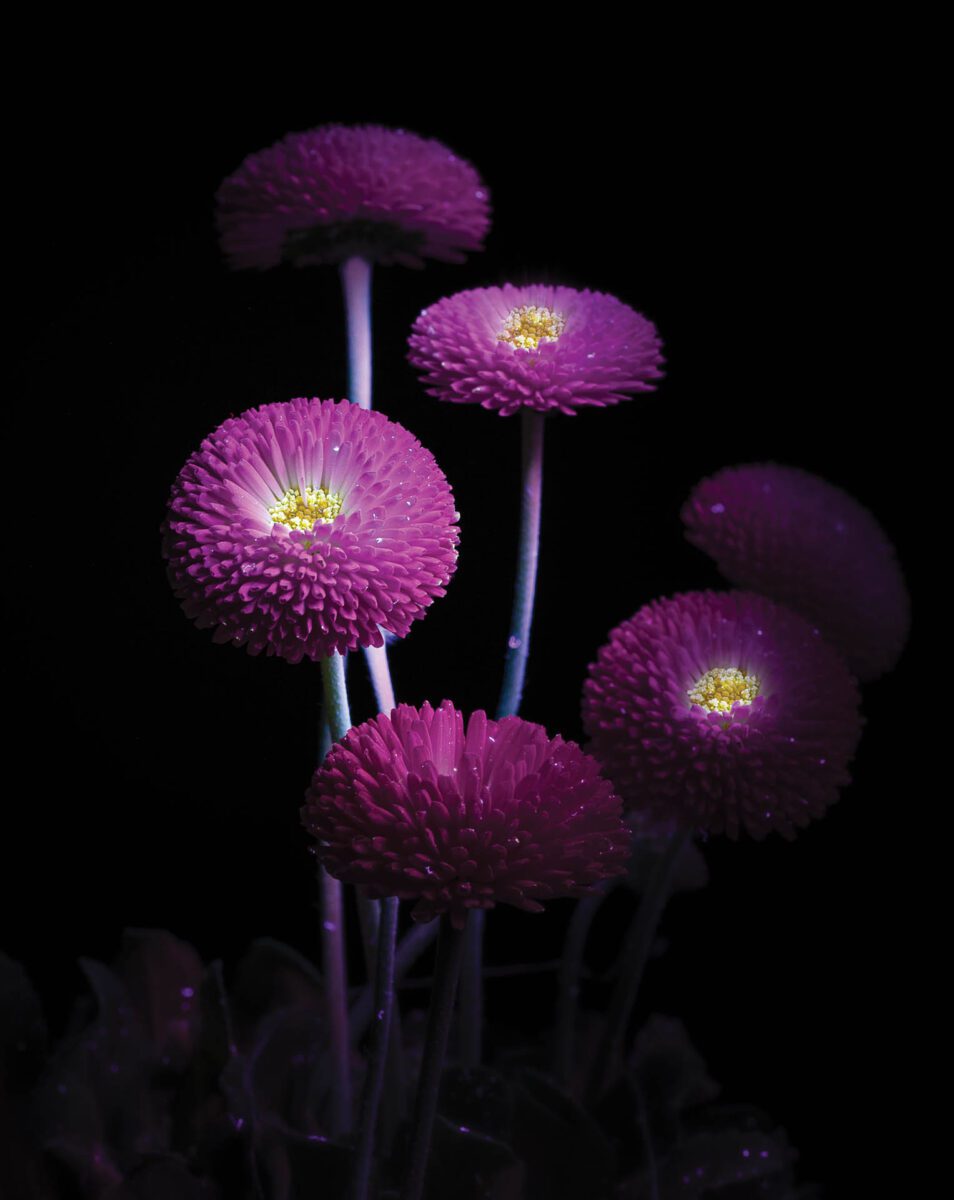
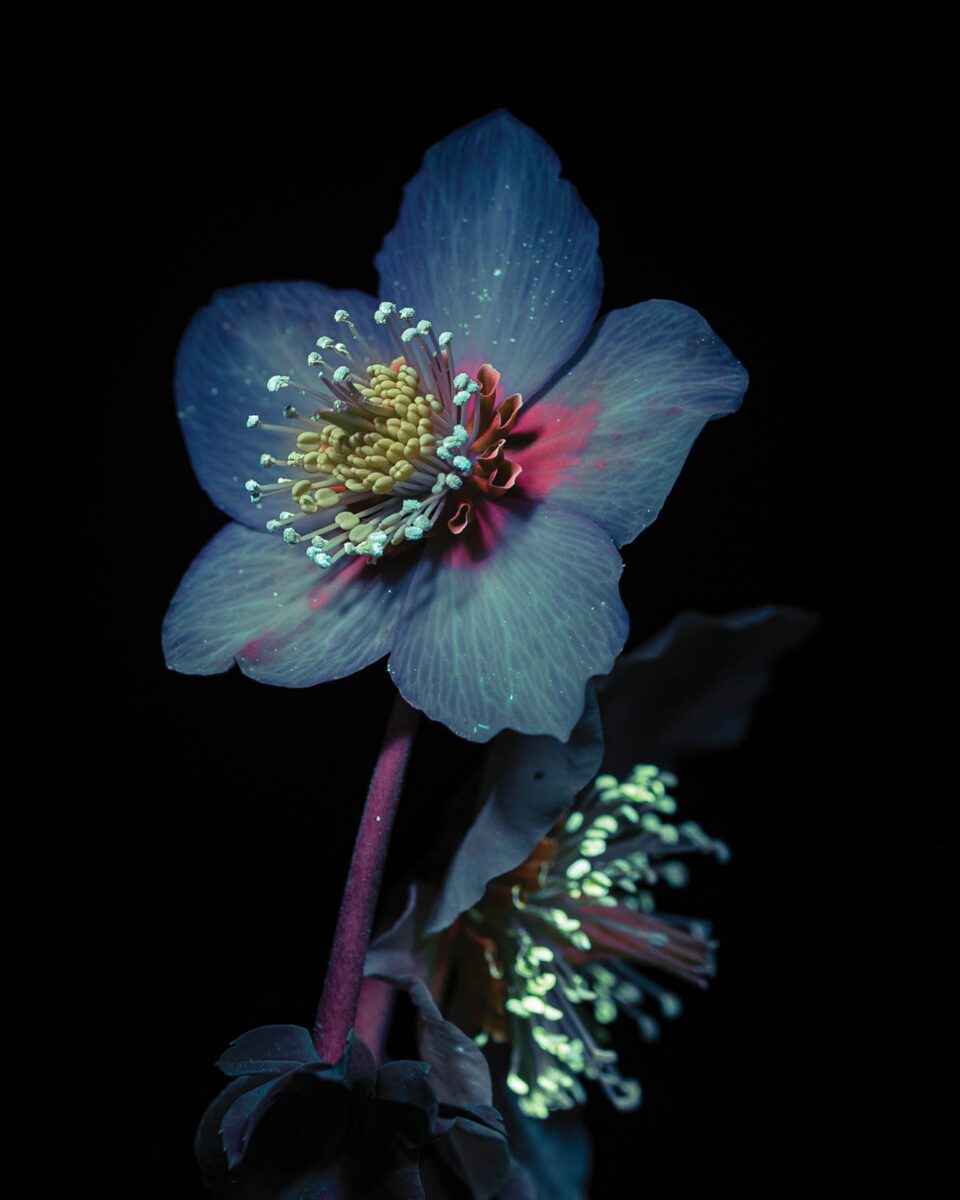
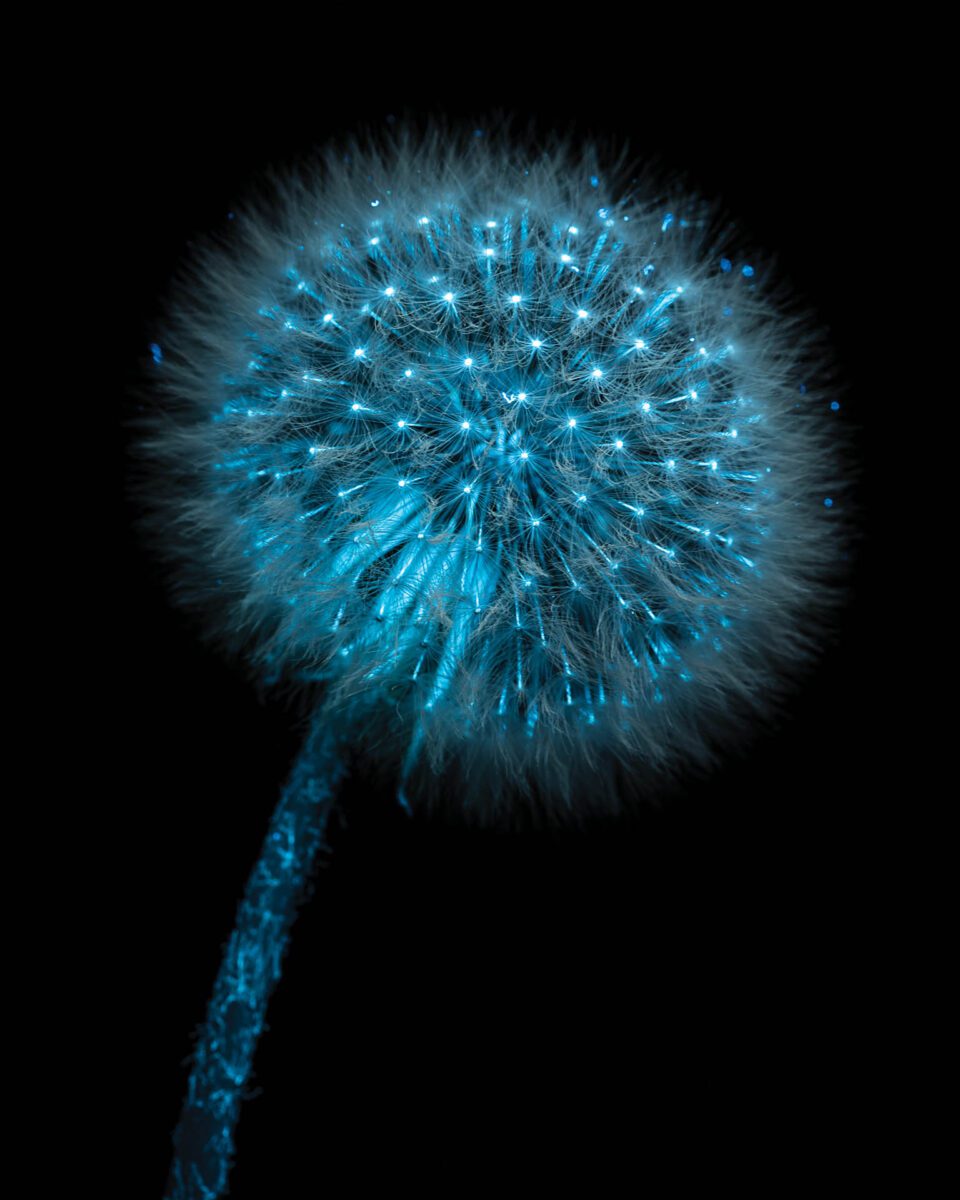
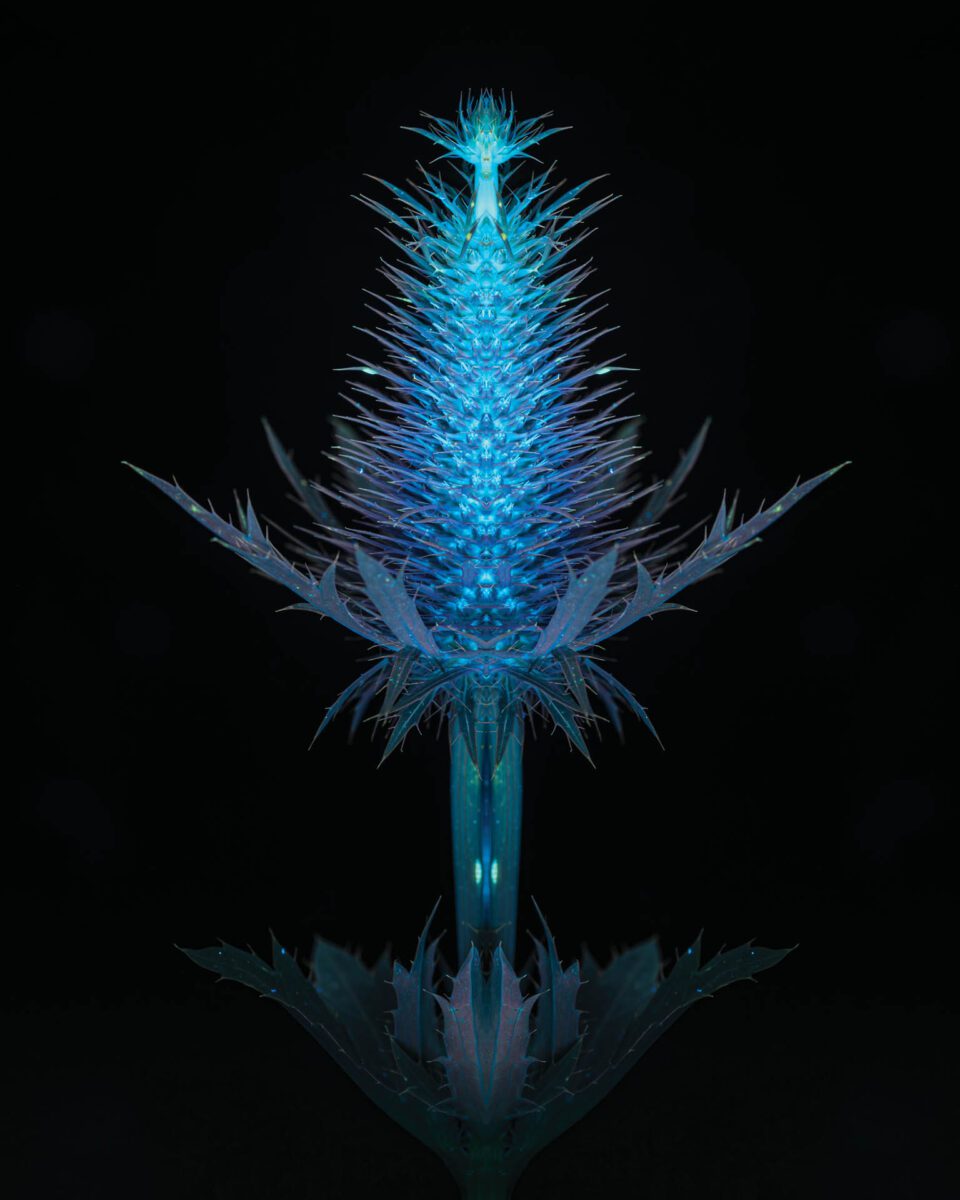
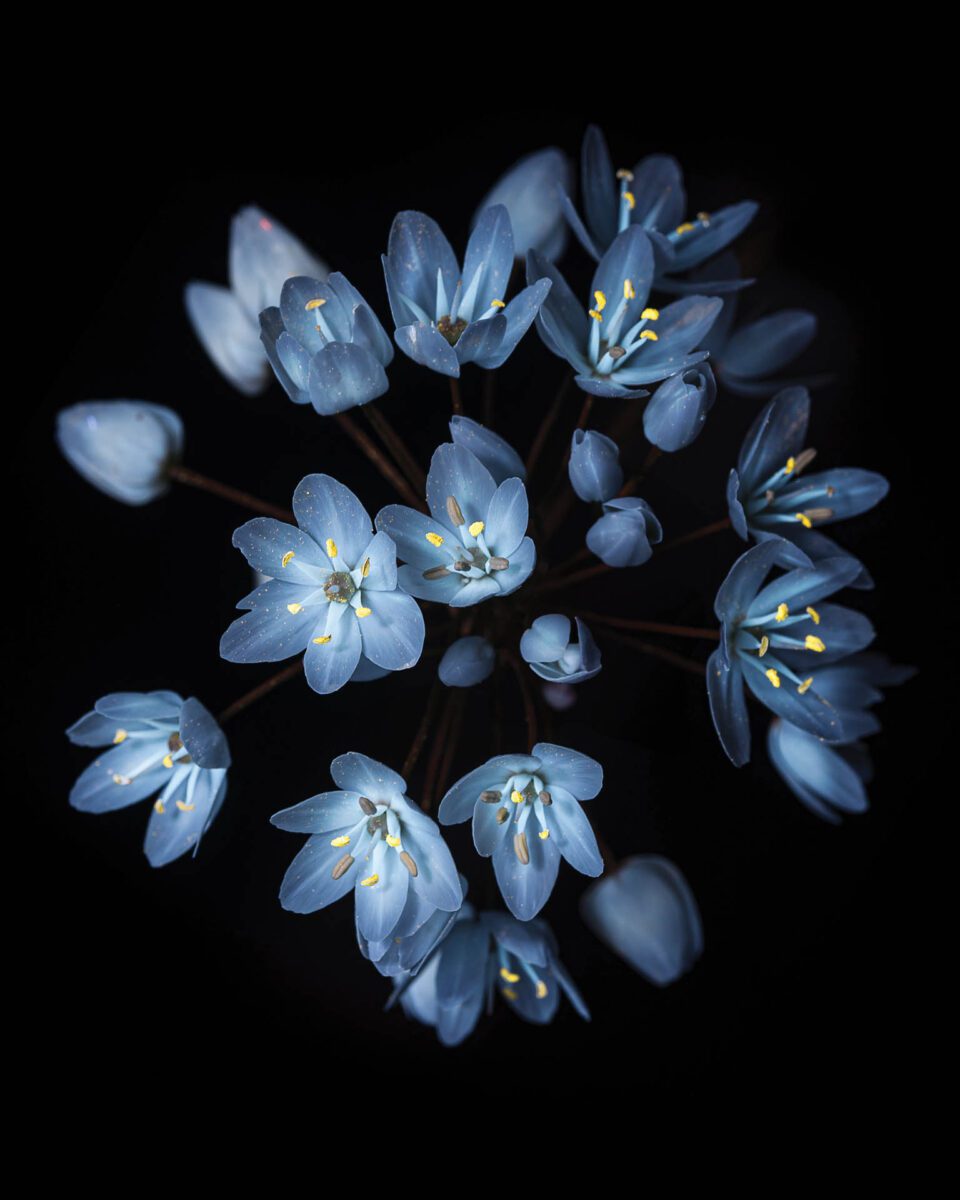
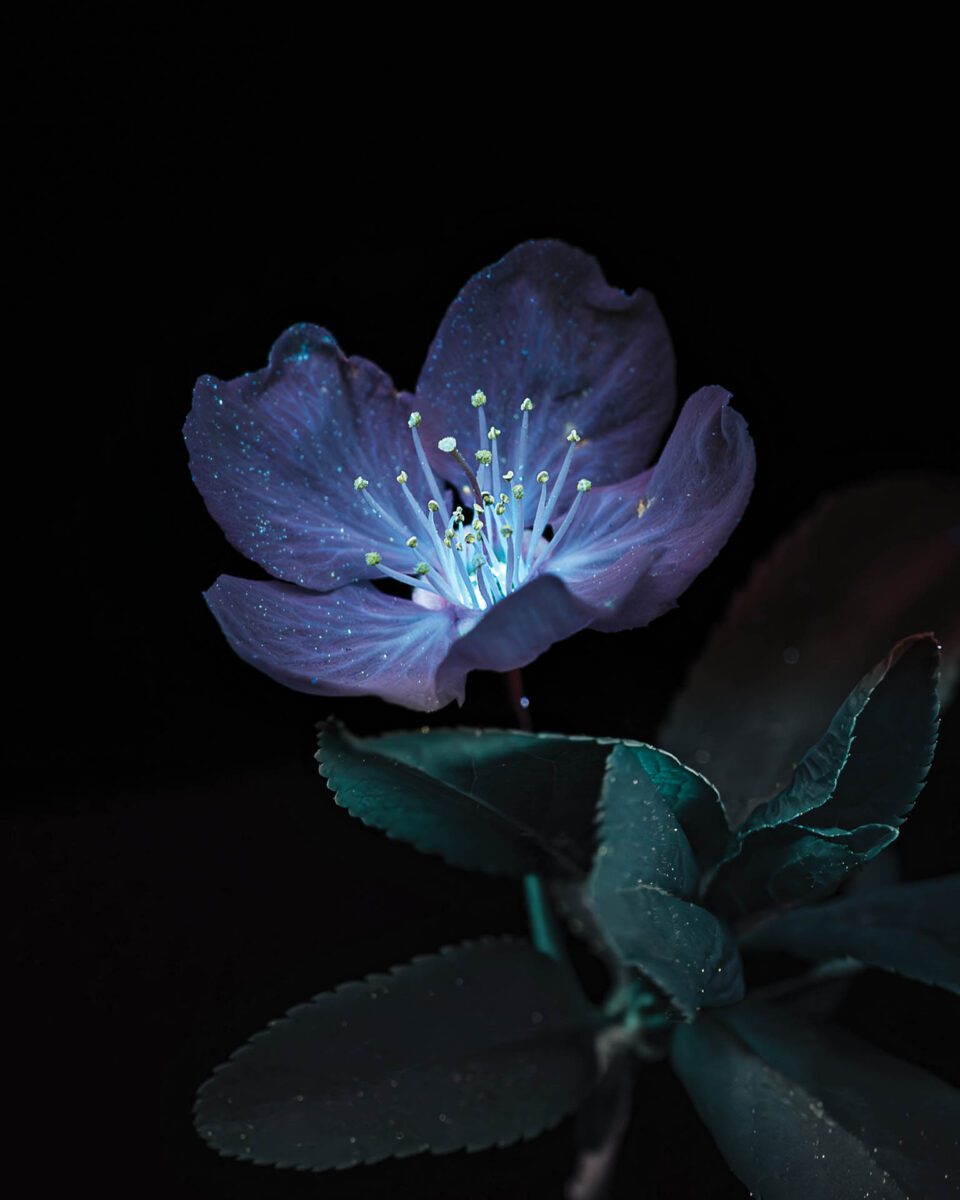
Image credits:
1. Debora Lombardi, Conium Maculatum. Image courtesy of the artist.
2. Debora Lombardi, Prunus. Image courtesy of the artist.
3. Debora Lombardi, Anthurium. Image courtesy of the artist.
4. Debora Lombardi, Phytolacca Bogotensis. Image courtesy of the artist.
5. Debora Lombardi, Hedera. Image courtesy of the artist.
6. Debora Lombardi, Bellis Perennis. Image courtesy of the artist.
7. Debora Lombardi, Helleborus. Image courtesy of the artist.
8. Debora Lombardi, Taraxacum Officinalis. Image courtesy of the artist.
9. Debora Lombardi, Eryngium Alpinum. Image courtesy of the artist.
10. Debora Lombardi, Allium Tuberosum. Image courtesy of the artist.
11. Debora Lombardi, Prunus Mahaleb. Image courtesy of the artist.


